
Cinnamon Bittern
Ixobrychus cinnamomeus
Order: Pelecaniformes / Family: Ardeidae
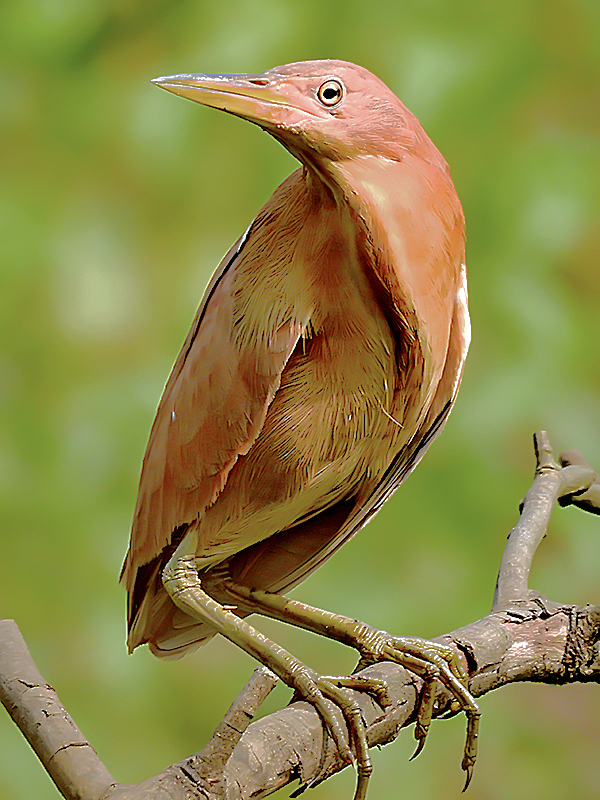
Wikimedia Commons
About the Cinnamon Bittern
The Cinnamon Bittern, scientifically known as Ixobrychus cinnamomeus, is a small heron species belonging to the family Ardeidae, order Pelecaniformes. It thrives across much of South and Southeast Asia, including countries such as India, Bangladesh, and the Philippines. This bird is particularly adapted to wetlands, paddy fields, and marshy environments where its unique coloration provides superb camouflage. The Cinnamon Bittern plays a crucial ecological role in these habitats by controlling insect populations and providing prey for larger predators. As a solitary bird, it exemplifies a secretive lifestyle, often remaining hidden within dense vegetation. During the breeding season, which typically spans from May to July, this species becomes more noticeable due to its vocalizations and courtship displays. Unlike some other bitterns, the Cinnamon Bittern is not migratory, although it may exhibit local movements in response to water availability or habitat changes. This adaptability ensures its survival in a variety of wetland ecosystems. Despite being relatively widespread, the Cinnamon Bittern faces challenges from habitat destruction and pollution, particularly in rapidly developing regions. Conservation efforts are crucial to maintaining healthy wetland environments that support this and many other species.
The Cinnamon Bittern belongs to the family Ardeidae, within the order Pelecaniformes. These birds typically live average 5-7 years; maximum recorded 10 years.
How to Identify a Cinnamon Bittern
The Cinnamon Bittern is distinctive due to its rich, warm cinnamon-colored plumage covering most of its body. Adult males and females are similar in appearance, though females may be slightly duller. Both sexes have a pale, yellowish throat and belly, contrasting with their darker upperparts. Juvenile Cinnamon Bitterns can be identified by their streaked underparts and less intense overall coloration. In terms of size, the Cinnamon Bittern is relatively small, measuring approximately 38 cm in length. Its short neck and compact body, along with its yellow legs, are adapted for a life spent primarily within dense marsh vegetation. While in flight, the Cinnamon Bittern displays rapid wingbeats and a hunched posture, with neck and legs partially retracted. When perched, it often adopts a vertical stance, mimicking the surrounding reeds. This characteristic pose helps avoid detection by predators and observers alike, making field identification a rewarding challenge. Although its cinnamon plumage is unique, the Cinnamon Bittern can occasionally be confused with other small herons and bitterns, such as the Yellow Bittern. Observers should note the overall color and specific habitat choice for accurate identification.
Having trouble telling birds apart? Upload a photo to our bird identification tool for an instant species match.
Cinnamon Bittern Habitat and Range
Preferred Habitat
The Cinnamon Bittern predominantly inhabits freshwater wetlands, including rice paddies, marshes, and reed beds, where it finds ample cover and food. These environments usually exist at low to moderate elevations, typically below 1000 meters. In rural settings, it thrives in agricultural landscapes, particularly those with standing water. This bird shows a remarkable ability to adapt to changing water levels, shifting habitats in response to seasonal flooding or drought. Unlike some other wetland species, the Cinnamon Bittern does not regularly venture into urban areas, instead preferring the seclusion of overgrown wetland patches. During the breeding season, these habitats become even more critical as they provide both nesting sites and abundant food resources. Despite its adaptability, the Cinnamon Bittern's reliance on specific wetland environments makes it vulnerable to habitat loss from drainage and land conversion.
Geographic Range
The Cinnamon Bittern exhibits a broad distribution across South and Southeast Asia. It breeds in countries such as India, Sri Lanka, Bangladesh, Myanmar, Thailand, and Vietnam, with resident populations extending into the Philippines and Indonesia. While it is not a long-distance migrant, the Cinnamon Bittern may undertake local movements within its range, particularly in response to seasonal changes in water levels and habitat quality. In northern India, for example, some populations shift to wetter areas following the monsoon season. Population density hotspots are often found in regions with extensive rice cultivation, where artificial wetlands offer suitable habitats. Despite these movements, the Cinnamon Bittern generally maintains a year-round presence within its core distribution area. The species' adaptability to different wetland types, from natural marshes to man-made paddy fields, supports its widespread occurrence throughout its range.
Want to know which birds visit your area? Browse our backyard birds by location guides for region-specific species lists.
What Does the Cinnamon Bittern Eat?
The Cinnamon Bittern primarily feeds on a diet of small aquatic creatures, making it an important predator within its ecosystem. Its diet includes insects, particularly aquatic larvae, small fish, amphibians, and crustaceans. During the wet season, when water levels rise, the availability of prey increases, allowing the bittern to thrive. The bird uses a patient and stealthy stalking method, often standing motionless for extended periods before striking with precision. This ambush technique is facilitated by its excellent vision and rapid reflexes. The Cinnamon Bittern typically forages during the early morning and late afternoon, capitalizing on the activity of prey during these cooler periods. While it generally feeds solitarily, it may occasionally be observed foraging in the company of other wetland birds.
Cinnamon Bittern Behavior and Social Structure
The Cinnamon Bittern is primarily solitary, exhibiting territorial behavior during the breeding season. Males establish territories within suitable wetland habitats, defending them vocally and through visual displays. Courtship involves a series of calls and postures designed to attract a mate, with the male often adopting an upright stance to emphasize its striking coloration. Despite its generally elusive nature, the Cinnamon Bittern becomes more active and vocal during courtship and breeding periods. Its daily activity pattern includes foraging primarily at dawn and dusk, with periods of rest during the hotter midday. In response to predators, the Cinnamon Bittern relies on its cryptic plumage and stillness to avoid detection, often freezing in place with its neck extended vertically among reeds. While not a flocking species, it may be found in loose associations with other waders in areas of abundant food.
Cinnamon Bittern Nesting and Reproduction
The nesting behavior of the Cinnamon Bittern involves constructing a simple platform nest made from reeds and other plant materials. These nests are typically hidden within dense marsh vegetation, providing protection from predators and the elements. The female lays a clutch of 3 to 5 eggs, which both parents incubate for approximately 18 to 20 days. Once hatched, the chicks remain in the nest for several weeks, with both parents sharing feeding duties. The fledging period lasts about 25 to 28 days, during which the young birds develop the necessary skills for independence. The Cinnamon Bittern often raises one brood per year, although favorable conditions may allow for a second. Parental care is crucial during the early stages of development, ensuring the survival of the vulnerable chicks.
Cinnamon Bittern Sounds and Vocalizations
The vocalizations of the Cinnamon Bittern are primarily heard during the breeding season. Its calls include a series of low, booming notes that resonate through the wetland environment. These sounds serve both as territorial displays and courtship signals. Unlike many songbirds, the Cinnamon Bittern's vocal repertoire is not melodious but rather functional, designed for communication over distance. The bird also emits harsher, more abrupt alarm calls in response to perceived threats. During the dawn chorus, its calls contribute to the rich tapestry of wetland sounds, blending with the vocalizations of other resident species. The distinct quality and timing of its calls can aid in locating this otherwise elusive species within its dense habitat.
Interesting Facts About the Cinnamon Bittern
- 1The Cinnamon Bittern's striking plumage provides excellent camouflage among the reeds, blending seamlessly with its surroundings.
- 2Despite its small size, the Cinnamon Bittern has a wingspan of about 49 to 55 cm, allowing for agile flight through dense vegetation.
- 3Unlike many herons, the Cinnamon Bittern does not engage in long-distance migration, instead relying on local movements to adapt to environmental changes.
- 4The Cinnamon Bittern's scientific name, Ixobrychus cinnamomeus, reflects its cinnamon-colored plumage, which is unique among bitterns.
- 5In some regions, the habitat of the Cinnamon Bittern overlaps with rice cultivation, where it helps control insect populations, benefiting farmers.
- 6The bittern's call, often described as a series of low booms, can carry over long distances, making it easier to detect during the breeding season.
- 7Cinnamon Bitterns can remain motionless for extended periods, a behavior that aids in avoiding detection by both predators and prey.
Cinnamon Bittern Conservation Status
The Cinnamon Bittern is currently listed as Least Concern by the IUCN, with populations considered stable overall. However, the bird faces ongoing threats from habitat destruction, particularly in areas where wetland drainage and agricultural expansion occur. The loss of suitable breeding and foraging grounds poses significant risks to local populations. Conservation efforts focus on preserving wetland habitats and promoting sustainable land-use practices that benefit both wildlife and human communities. Historical population changes have not been dramatic, but continued monitoring is necessary to ensure that the species remains secure. Protecting key wetland areas and raising awareness about the ecological value of such habitats are vital steps in safeguarding the future of the Cinnamon Bittern.
Other Ardeidae Species


Birds Similar to the Cinnamon Bittern
These species are often confused with the Cinnamon Bittern due to similar appearance or overlapping range.

