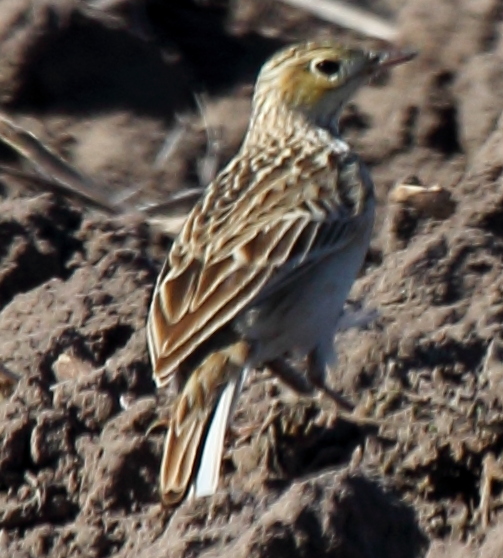
Citrine Wagtail x Yellow Wagtail
Motacilla citreola x flava
Order: Passeriformes / Family: Motacillidae
About the Citrine Wagtail x Yellow Wagtail
The Citrine Wagtail x Yellow Wagtail (Motacilla citreola x flava) is a fascinating hybrid that combines the distinctive traits of its parent species, the Citrine Wagtail and the Yellow Wagtail. This mix results in a bird with a captivating appearance and intriguing behaviors. The hybrid typically exhibits bright yellow plumage, often highlighted by black markings around the head and wings, a feature that helps it stand out among other wagtails. Found primarily in regions where the ranges of Citrine and Yellow Wagtails overlap, these birds are most commonly seen in parts of Central and Eastern Europe, particularly in areas like Poland and the Baltic states. These zones provide the necessary habitats and climate conditions conducive to their breeding and feeding needs.
The ecological significance of the Citrine Wagtail x Yellow Wagtail lies in its adaptability and its role as an insectivore. These birds contribute to pest control by consuming large numbers of insects, particularly during the breeding season when their energy demands are high. They thrive in a variety of wetland habitats, including marshes, wet meadows, and riverbanks, where their active foraging helps maintain a balance in the ecosystem. Seasonal behavior is pronounced in these hybrids, as they are migratory and cover extensive distances between breeding and wintering grounds.
During the breeding season, these wagtails are often found in wetter environments, preferring the lush vegetation of marshlands and the edges of lakes. As the seasons change, they migrate to milder climates, often traveling southward to regions with abundant food resources. In winter, they can be observed in a range of habitats across Southern Europe and into parts of North Africa, where they continue to play a vital role in controlling insect populations. The adaptability of the Citrine Wagtail x Yellow Wagtail to different habitats and its ability to exploit diverse food resources underscore its importance within its ecosystem.
The Citrine Wagtail x Yellow Wagtail belongs to the family Motacillidae, within the order Passeriformes. These birds typically live average 3-5 years, similar to parent species..
How to Identify a Citrine Wagtail x Yellow Wagtail
Identifying the Citrine Wagtail x Yellow Wagtail involves recognizing the blend of features from its parent species. Adult hybrids typically display a vibrant yellow underpart, similar to the Yellow Wagtail, while the upperparts may show a mix of olive, gray, and black, reflecting traits from both parents. The head pattern often includes a distinctive black cap or mask, a trait more common in Citrine Wagtails. Juveniles are generally duller, with more muted yellows and less defined head markings, making them more challenging to distinguish from other young wagtails.
Males and females of the hybrid often show subtle differences, with males typically exhibiting brighter and more distinct coloration during the breeding season, while females may appear slightly paler. In flight, the Citrine Wagtail x Yellow Wagtail shows a fluid, undulating pattern, with a long tail that bobs characteristically, a key behavioral trait shared by most wagtails.
Similar species that might cause confusion include the pure Citrine Wagtail and the Yellow Wagtail, both of which share overlapping ranges with the hybrid. Observers should note the specific coloration patterns and listen for differences in calls to aid in accurate identification. The perching posture of these birds is upright, often seen on exposed perches such as fence posts or low branches, allowing for a good view of their striking coloration.
Having trouble telling birds apart? Upload a photo to our bird identification tool for an instant species match.
Citrine Wagtail x Yellow Wagtail Habitat and Range
Preferred Habitat
The Citrine Wagtail x Yellow Wagtail favors wetland habitats, thriving in environments such as marshes, wet meadows, and riverbanks. These areas provide abundant insect prey and suitable nesting sites. Typically found at low to moderate elevations, these hybrids are most commonly observed in regions where both parent species occur. During the breeding season, they inhabit lush, vegetated wetlands, while in winter, they migrate to milder climates with similar wet environments in Southern Europe and parts of North Africa.
The hybrid's adaptability to different wetland conditions allows it to exploit a variety of niches, from rural marshlands to urban water bodies. Seasonal shifts in habitat preference are evident, as they move from breeding grounds to wintering areas that offer ample food resources and refuge from harsher climates. Urban presence is less common but not unheard of, particularly in cities with sizable parklands or water features.
Geographic Range
The breeding range of the Citrine Wagtail x Yellow Wagtail primarily includes areas in Central and Eastern Europe, particularly where the ranges of the Citrine and Yellow Wagtails overlap. Countries such as Poland, Belarus, and the Baltic states are key regions where these hybrids are observed during the breeding season. In terms of wintering range, these birds migrate southward to Southern Europe and North Africa, regions that provide milder climates and abundant food resources.
Migration corridors for these hybrids often follow major river systems and coastal lines, which offer consistent food supplies and stopover habitats. During migration, they may pass through countries such as Germany, France, and Spain, where suitable resting and feeding sites are available. Population density hotspots typically correspond to areas with extensive wetlands, which provide the ideal conditions for both breeding and wintering.
Want to know which birds visit your area? Browse our backyard birds by location guides for region-specific species lists.
What Does the Citrine Wagtail x Yellow Wagtail Eat?
The Citrine Wagtail x Yellow Wagtail primarily feeds on insects, making it an important insectivore in its habitat. During the breeding season, their diet consists mainly of small insects such as flies, beetles, and caterpillars, which they catch by foraging on the ground or in flight. This diet is crucial for meeting the high energy demands during this period of heightened activity.
In the winter months, the hybrid's diet may expand to include seeds and small aquatic invertebrates, depending on availability. They employ a variety of foraging techniques, including walking along muddy shores or grassy areas and sallying out to catch aerial prey. The size of their prey typically ranges from small to medium, rarely exceeding the size of a large beetle.
Feeding schedules are largely diurnal, with peak activity occurring during the early morning and late afternoon when insect activity is highest. This strategic timing ensures maximum energy intake and efficient feeding.
Citrine Wagtail x Yellow Wagtail Behavior and Social Structure
The Citrine Wagtail x Yellow Wagtail exhibits a range of behaviors that reflect its hybrid nature. Socially, these birds are often seen in loose flocks, especially during migration and winter, where they congregate in suitable feeding grounds. During the breeding season, they become more territorial, with males establishing and defending small territories to attract mates and ward off rivals.
Courtship displays involve a series of aerial acrobatics, accompanied by song and posturing, where the male showcases his bright plumage. Flocking behavior is more common outside the breeding season, with groups often seen foraging together in open areas.
In response to predators, these wagtails employ alarm calls and quick evasive flight to avoid capture. Daily activity patterns include active foraging and resting periods, with most feeding occurring during the daylight hours. These wagtails are known for their characteristic tail-wagging behavior, a constant motion that aids in balance and communication.
Citrine Wagtail x Yellow Wagtail Nesting and Reproduction
The nesting habits of the Citrine Wagtail x Yellow Wagtail reflect those of its parent species, with a preference for building nests in low vegetation close to water. The nest is typically a shallow cup constructed of grass, moss, and lined with softer materials such as hair or feathers.
Location preferences include sheltered spots among reeds, grassy tussocks, or low shrubs that offer protection from predators and harsh weather. The typical clutch size ranges from four to six eggs, with incubation lasting approximately 11 to 13 days. Both parents share in the incubation duties, though the female may take a more prominent role.
Fledging occurs about 10 to 12 days after hatching, with young birds quickly learning to forage and fly. The hybrid typically raises one brood per year, though in favorable conditions, a second brood is possible. Parental roles extend beyond fledging, with adults continuing to feed and protect the young for several weeks.
Citrine Wagtail x Yellow Wagtail Sounds and Vocalizations
The Citrine Wagtail x Yellow Wagtail produces a variety of vocalizations, with a primary song that is melodious and includes a series of high-pitched, rhythmic notes. The song is often delivered from a perch or in flight, serving both territorial and courtship purposes.
Call notes are sharp and distinctive, often described as 'tsip' or 'chet' sounds, used for communication among individuals and as alarm signals. During the dawn chorus, these wagtails become particularly vocal, their songs blending into the cacophony of early morning birdlife.
Alarm calls are harsher and more abrupt, signaling danger to nearby wagtails and other species. The tonal quality of their vocalizations can be likened to other small songbirds, though their distinctive rhythm and pitch make identification possible for experienced birders.
Interesting Facts About the Citrine Wagtail x Yellow Wagtail
- 1The Citrine Wagtail x Yellow Wagtail demonstrates a unique mix of parental traits, often leading to an array of plumage variations.
- 2These hybrids often exhibit intermediate migration patterns, sometimes traveling along less traditional routes than their parent species.
- 3Citrine Wagtail x Yellow Wagtail hybrids are particularly opportunistic feeders, adapting their diet based on seasonal availability.
- 4The tail-wagging behavior of these wagtails is thought to help flush insects from hiding, making foraging more efficient.
- 5Despite their hybrid status, these wagtails successfully breed and produce viable offspring, contributing to wagtail diversity.
- 6The hybrid range overlaps with several protected wetland areas, benefiting from conservation measures in those regions.
- 7These birds are a testament to the dynamic nature of avian evolution, showcasing how hybridization can occur naturally.
Citrine Wagtail x Yellow Wagtail Conservation Status
The conservation status of the Citrine Wagtail x Yellow Wagtail is not well-documented separately from its parent species, but it is generally considered stable due to the adaptability and widespread range of both parent species. The primary threats include habitat loss due to wetland drainage and agricultural expansion, which reduce available breeding and feeding sites. Conservation efforts focus on protecting and restoring wetland habitats, particularly in critical breeding and migratory areas. Historical population trends show fluctuations in response to habitat changes, but overall numbers remain relatively stable. The hybrid benefits indirectly from conservation measures aimed at its parent species, as these initiatives promote the preservation of shared habitats and migration corridors. Continued monitoring is necessary to ensure population stability and habitat availability.