
Cuban Vireo
Vireo gundlachii
Order: Passeriformes / Family: Vireonidae

Wikimedia Commons
About the Cuban Vireo
The Cuban Vireo, scientifically known as Vireo gundlachii, is a small passerine bird endemic to Cuba, contributing to the island's rich avian diversity. This species is a member of the family Vireonidae, known for its melodious calls and vibrant plumage. The Cuban Vireo stands out in its ecological niche due to its adaptability to various habitats, from dense forests to semi-open areas. It plays a vital role in the local ecosystem by controlling insect populations and serving as prey for larger avian predators. During the breeding season, these birds exhibit heightened territorial behavior, often found in pairs as they defend their nesting sites vigorously. The Cuban Vireo's presence serves as an indicator of healthy forest ecosystems, as it thrives in areas with abundant foliage and a rich supply of insects. This bird is primarily a resident species, with little to no migratory movements, which underscores its importance in maintaining the ecological balance within its limited range.
The Cuban Vireo contributes significantly to the biodiversity of its native regions, particularly in areas like the Zapata Swamp, Sierra Maestra, and the Viñales Valley. These locations provide the ideal environment for this species, characterized by a mix of tropical and subtropical vegetation. In addition to its ecological importance, the Cuban Vireo is culturally significant to Cuba, often featured in local folklore and birdwatching tours. Its distinct song and vibrant plumage make it a favorite among bird enthusiasts and nature photographers. The bird's adaptive nature allows it to exploit various food resources, which is crucial for its survival in the face of habitat changes due to deforestation and climate change.
The Cuban Vireo's role extends beyond mere insect control; it also influences the structure of the avian community in its habitat. By competing for food and nesting sites, it helps maintain a dynamic balance among different bird species. The vireo's propensity to inhabit both primary and secondary forests speaks to its resilience, yet it remains vulnerable to extensive habitat destruction. Conservation efforts are essential to ensure the survival of this unique species, focusing on habitat preservation and the establishment of protected areas. The Cuban Vireo, with its captivating song and vibrant presence, continues to be a symbol of Cuba's natural heritage and the need for sustainable environmental practices.
The Cuban Vireo belongs to the family Vireonidae, within the order Passeriformes. These birds typically live average of 5 years, with some individuals living up to 8 years..
How to Identify a Cuban Vireo
The Cuban Vireo is a small bird, measuring approximately 12-14 cm in length, with a wingspan of around 18-20 cm. Its most striking features include the bright yellow underparts and a contrasting olive-green back, which make it relatively easy to spot in its natural habitat. Adult Cuban Vireos have a distinct white eye-ring, giving them a spectacled appearance that is particularly noticeable in the field. The wings are grayish with two faint wing bars, while the tail is short and slightly rounded. In terms of sexual dimorphism, males and females appear quite similar, making it challenging to distinguish between the two in the wild.
Juvenile Cuban Vireos resemble adults but tend to have duller plumage, with less pronounced yellow coloration on the underparts. These young birds gradually acquire the brighter adult plumage as they mature. The Cuban Vireo's song is a key characteristic for identification, consisting of a series of sweet, musical phrases that are often repeated several times. This song helps differentiate it from similar species, such as the Black-whiskered Vireo, which has a more monotonous and less musical song.
In flight, the Cuban Vireo exhibits a fluttery and somewhat weak flight pattern, with rapid wingbeats interspersed with short glides. When perched, it often adopts an upright posture, frequently flicking its wings and tail, which are typical behaviors of many vireo species. This combination of visual and auditory cues makes the Cuban Vireo an accessible subject for birdwatchers and researchers alike, even in dense foliage.
Having trouble telling birds apart? Upload a photo to our bird identification tool for an instant species match.
Cuban Vireo Habitat and Range
Preferred Habitat
The Cuban Vireo predominantly inhabits tropical and subtropical forests, favoring areas with dense understory and abundant foliage. It can be found in both primary and secondary forests, demonstrating its adaptability. Specific locations such as the Zapata Swamp and the Sierra Maestra mountain range provide ideal habitats, offering a mix of forested areas and open spaces. The Cuban Vireo typically resides at elevations ranging from sea level to about 1,500 meters, although it is more commonly found in lowland areas.
Seasonal habitat shifts are minimal for the Cuban Vireo, as it is a largely sedentary species. However, during the breeding season, it may venture into slightly more open habitats to exploit different food resources. The bird shows a preference for rural areas over urban environments, as it requires dense vegetation for foraging and nesting. In areas where natural habitats have been disturbed, the Cuban Vireo can be found in wooded plantations and gardens, provided there is sufficient cover and insect abundance.
The presence of the Cuban Vireo in diverse habitats highlights its ecological flexibility, which is vital for its survival amidst environmental changes. Yet, its reliance on forested areas means that conservation of these habitats is crucial for the species' long-term viability.
Geographic Range
The Cuban Vireo is endemic to Cuba, meaning its range is limited exclusively to this Caribbean island. It occupies a variety of habitats across the Cuban archipelago, including the main island and several smaller offshore islands. The bird does not undergo long-distance migrations, remaining a year-round resident of Cuba. This restricted range highlights the importance of local conservation efforts to ensure the species' survival.
Within Cuba, the Cuban Vireo is found in significant numbers in locations such as the Zapata Peninsula, the Sierra Maestra, and the Viñales Valley. These regions provide the dense, forested environments that the species favors. Population density hotspots are often correlated with areas that have extensive, undisturbed forest cover, and the Cuban Vireo is less commonly found in heavily urbanized or deforested regions.
The absence of the Cuban Vireo outside Cuba underscores the island's unique biodiversity and the ecological importance of maintaining its natural habitats. While the species is not considered migratory, local movements may occur in response to food availability and habitat conditions, but these are relatively minor compared to other vireo species.
Want to know which birds visit your area? Browse our backyard birds by location guides for region-specific species lists.
What Does the Cuban Vireo Eat?
The Cuban Vireo primarily feeds on insects and other small invertebrates, making it an important insectivore in its ecosystem. It consumes a wide variety of prey, including caterpillars, beetles, and spiders, which it gleans from leaves and branches using its slender bill. During the breeding season, when energy demands are high, the Cuban Vireo may increase its intake of protein-rich insects to support its growing chicks.
In addition to insects, the Cuban Vireo's diet includes some plant material, such as berries and small fruits. This dietary flexibility allows it to exploit different food sources depending on seasonal availability. During periods of insect scarcity, the vireo may rely more heavily on fruit, which provides essential nutrients and energy.
The Cuban Vireo employs a variety of foraging techniques, including sallying from perches to catch flying insects and methodically probing leaves and branches in search of hidden prey. This active foraging behavior ensures it can meet its nutritional needs throughout the year, despite fluctuations in food availability. The bird typically forages alone or in pairs, often in the mid to upper canopy of forests, which further reduces competition with ground-dwelling insectivores.
Cuban Vireo Behavior and Social Structure
The Cuban Vireo exhibits a range of behaviors that reflect its adaptability and ecological role. Socially, it is primarily a solitary bird, though it can be seen in pairs, especially during the breeding season. These pairs form strong bonds, often remaining together throughout the season as they defend their territory and raise their young. Territorial behavior is pronounced, with males singing vigorously to establish and maintain boundaries, deterring intruders through vocal displays and, occasionally, physical confrontations.
Courtship displays involve the male performing a series of calls and songs, often accompanied by wing-flicking and tail-spreading to attract a mate. Once paired, both the male and female participate in nesting activities, although the male is more vocal and visible throughout the process. Flocking behavior is not typical for the Cuban Vireo, as it does not form large groups outside the breeding season.
In response to predators, the Cuban Vireo exhibits alarm calls and evasive actions, often seeking refuge in dense foliage to avoid detection. Its daily activity patterns are diurnal, with peak feeding occurring in the early morning and late afternoon. During the heat of the day, the bird may become less active, resting in shaded areas to conserve energy. This behavior ensures it can efficiently exploit available resources while minimizing exposure to potential threats.
Cuban Vireo Nesting and Reproduction
Cuban Vireos construct cup-shaped nests, typically suspended from the fork of a branch in a shrub or small tree. The nest is meticulously woven from grasses, plant fibers, and spider silk, providing a secure and camouflaged environment for the eggs and chicks. The location of the nest is crucial, as it needs to be well-hidden from predators while remaining accessible for the parents.
A typical clutch consists of 2 to 4 eggs, which are incubated primarily by the female over a period of approximately 12 to 14 days. During this time, the male may assist by providing food to the female and maintaining vigilance over the territory. Once hatched, the chicks are altricial, requiring constant care and feeding by both parents. The fledging period lasts around 10 to 12 days, after which the young birds gradually become independent.
Cuban Vireos may raise one or two broods per year, depending on environmental conditions and food availability. Parental roles are shared, with both the male and female actively participating in feeding and protecting the young. This cooperative breeding strategy enhances the survival chances of the offspring, ensuring the continuity of the species in its native habitat.
Cuban Vireo Sounds and Vocalizations
The Cuban Vireo is known for its melodious primary song, which consists of a series of sweet, warbling phrases that vary in pitch and rhythm. This song is often repeated several times and serves both to attract mates and establish territory. The quality of the song is musical and pleasant, making it easily distinguishable from the harsher calls of some other vireo species.
In addition to its primary song, the Cuban Vireo emits a variety of call notes, including sharp 'chip' sounds used for communication between mates or as contact calls. Alarm calls are more abrupt and are used to alert other birds of potential threats. During the dawn chorus, the Cuban Vireo's song is particularly prominent, as males sing vigorously to reinforce their presence in the territory.
The Cuban Vireo's vocalizations play a crucial role in its behavioral ecology, facilitating social interactions and ensuring successful reproduction through effective communication. Its repertoire of sounds is an integral part of its identity and contributes to the vibrant soundscape of its native habitats.
Interesting Facts About the Cuban Vireo
- 1The Cuban Vireo is one of the few bird species endemic to Cuba, highlighting its unique evolutionary path.
- 2Despite its small size, the Cuban Vireo plays a significant role in controlling insect populations in its habitat.
- 3The Cuban Vireo's melodious song can be heard echoing through the forests, especially during early morning hours.
- 4Cuban Vireos are known for their distinct white eye-ring, which gives them a spectacled appearance.
- 5This bird species exhibits strong territorial behavior, often defending its area with vigorous songs and displays.
- 6Cuban Vireos build their nests using a combination of natural materials, including grasses, plant fibers, and spider silk.
- 7The Cuban Vireo's diet includes both insects and fruits, showcasing its adaptability to changing food availability.
Cuban Vireo Conservation Status
The Cuban Vireo is currently classified as Least Concern by the IUCN, with its population considered stable. However, the species faces threats primarily from habitat destruction and degradation, particularly due to deforestation and agricultural expansion. Conservation efforts focus on preserving critical habitats and establishing protected areas to safeguard the Cuban Vireo's environment. Historically, the Cuban Vireo has maintained a stable population, but ongoing environmental changes pose potential risks. Efforts to mitigate these impacts include reforestation projects and environmental education programs aimed at promoting sustainable land use practices. Continued monitoring of the Cuban Vireo populations and their habitats is essential to ensure the long-term viability of this species. By prioritizing habitat conservation and promoting awareness of the Cuban Vireo's ecological role, conservationists aim to maintain healthy populations and preserve the biodiversity of Cuba. These efforts are crucial for preventing future declines and ensuring that this vibrant songbird remains an integral part of Cuba's natural heritage.
Other Vireonidae Species
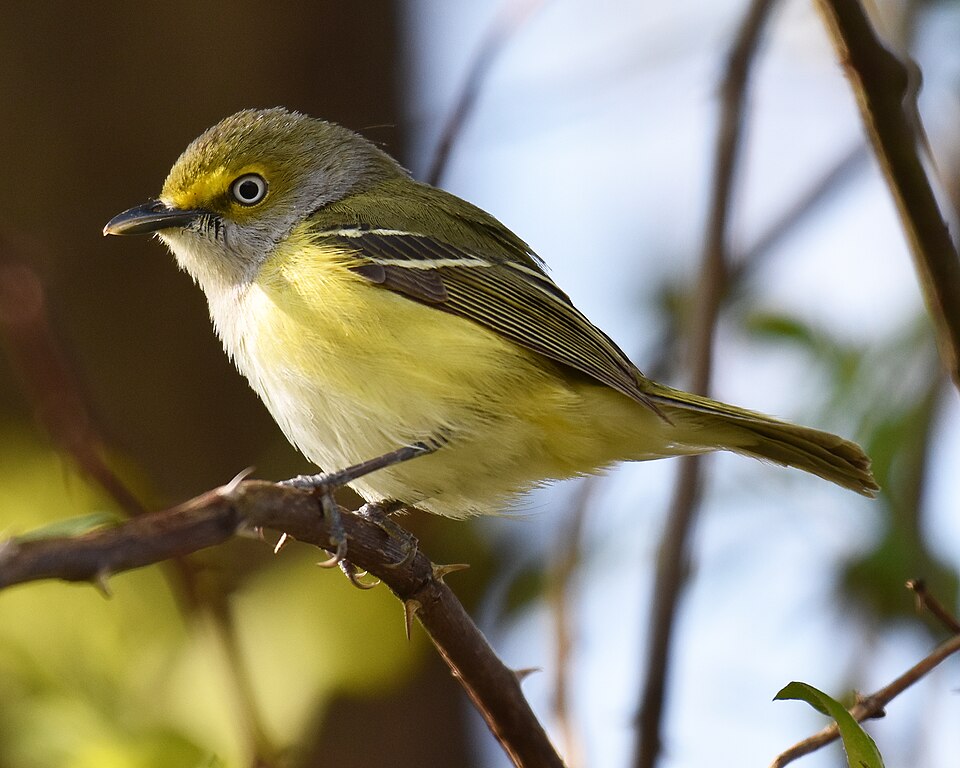

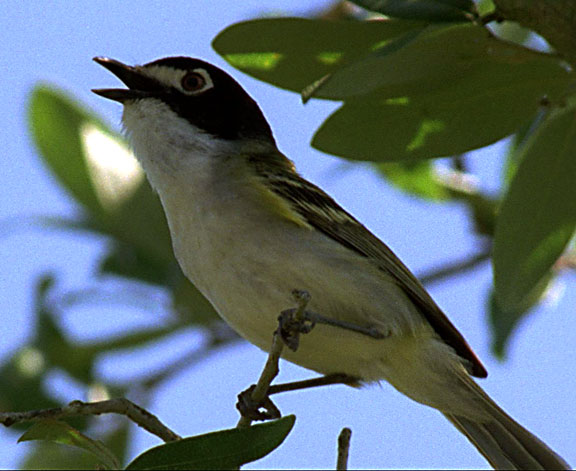

Birds Similar to the Cuban Vireo
These species are often confused with the Cuban Vireo due to similar appearance or overlapping range.
