Golden-shouldered Parrot
Psephotellus chrysopterygius
Order: Psittaciformes / Family: Psittaculidae

Wikimedia Commons
About the Golden-shouldered Parrot
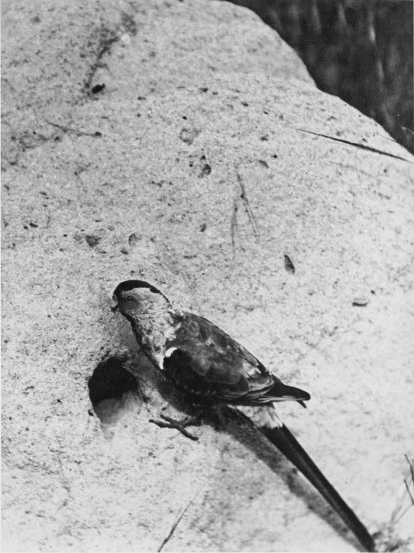
The Golden-shouldered Parrot (Psephotellus chrysopterygius) is a vibrant and distinctive member of the Psittaculidae family, endemic to the Cape York Peninsula in Queensland, Australia. This small parrot is celebrated for its striking plumage and plays a crucial role in the ecosystems of its limited range. These parrots inhabit open woodlands and savannas dominated by termite mounds, where they nest and forage. Their presence is indicative of healthy grassland environments, and their reliance on specific habitats highlights the ecological importance of maintaining these regions. The Golden-shouldered Parrot is a diurnal species, most active during cooler morning and late afternoon hours when they forage for seeds and insects. Their seasonal behaviors include breeding during the wet season, typically from February to May, when food is abundant. During the dry season, they are less conspicuous as they adapt to the harsher conditions. The ecological role of the Golden-shouldered Parrot extends beyond their visual appeal; they contribute to seed dispersal and help control insect populations. Their interactions with other species, including potential predators and competitors, create a dynamic balance within their habitat. As a species with a restricted range, the Golden-shouldered Parrot serves as an indicator for environmental changes, making their conservation vital for the broader ecosystem. The significance of the Golden-shouldered Parrot reaches into cultural realms, as they are a symbol of the unique biodiversity of northern Australia. Conservationists and bird enthusiasts alike are drawn to their colorful presence and the challenges they face in the wild. Efforts to protect them are closely tied to preserving the natural landscape of Cape York Peninsula, which supports a diverse array of flora and fauna.
The Golden-shouldered Parrot belongs to the family Psittaculidae, within the order Psittaciformes. These birds typically live 5-8 years in the wild, up to 10 years in captivity..
How to Identify a Golden-shouldered Parrot
The Golden-shouldered Parrot is a small, colorful parrot with distinct sexual dimorphism. Adult males exhibit a striking combination of turquoise-blue plumage with a vivid yellow patch on the shoulders, a feature that gives the species its name. Their heads are a contrasting black, and they have a pinkish lower belly. Females are more subdued, with olive-green bodies and a less pronounced yellow shoulder patch. Juveniles resemble females but are generally duller. In flight, the Golden-shouldered Parrot displays a rapid, direct flight pattern, with distinctive flashes of yellow and turquoise. When perched, their posture is upright, often seen in pairs or small groups. They can be confused with the similar Hooded Parrot, which shares part of their range, but the Hooded Parrot has a paler underbelly and lacks the vivid yellow shoulder patch. Observers should note these field marks to accurately differentiate between the two species.
Having trouble telling birds apart? Upload a photo to our bird identification tool for an instant species match.
Golden-shouldered Parrot Habitat and Range
Preferred Habitat
Golden-shouldered Parrots thrive in the tropical savannas and open woodlands of the Cape York Peninsula. They prefer areas with scattered trees like Eucalyptus and Melaleuca, interspersed with grasslands dominated by termite mounds. These mounds are crucial for their nesting needs. The parrots typically inhabit lowland areas but can be found at elevations up to 300 meters. Seasonal habitat shifts are minimal due to their restricted range. Unlike some parrot species, the Golden-shouldered Parrot does not frequent urban environments, remaining tied to rural and natural settings.
Geographic Range
The Golden-shouldered Parrot is endemic to Australia, with its entire range confined to the Cape York Peninsula in Queensland. They are primarily found in two separate populations: one around the southern part of the Peninsula near Coen and the other north near the Moreton Telegraph Station. These regions provide the specific environmental conditions these parrots require. They do not migrate but may undertake small, local movements in response to seasonal food availability. Population densities are highest in areas with abundant food and nesting sites, such as grasslands with numerous termite mounds.
Want to know which birds visit your area? Browse our backyard birds by location guides for region-specific species lists.
What Does the Golden-shouldered Parrot Eat?
Golden-shouldered Parrots primarily feed on seeds, particularly those of grasses like spinifex and sorghum. During the wet season, when insects are plentiful, they also consume a variety of invertebrates, which provide essential protein for breeding. The parrots forage in small groups, often seen feeding on the ground or among low vegetation. Their foraging technique includes using their strong beaks to crack open tough seed coats and probing into termite mounds for insects. They typically feed during the cooler parts of the day, avoiding the midday heat.
Golden-shouldered Parrot Behavior and Social Structure
Golden-shouldered Parrots exhibit a social structure that includes small family groups or pairs, especially during the breeding season. They are territorial, with pairs defending their nesting sites from intruders. Courtship displays are subtle but involve mutual preening and vocalizations. Outside the breeding season, they may form loose flocks of up to 10 individuals. In response to predators, they rely on camouflage and swift flight to evade capture. Their daily activities are synchronized with the temperature, being most active during the cooler morning and late afternoon hours.
Golden-shouldered Parrot Nesting and Reproduction
Golden-shouldered Parrots nest in termite mounds, choosing abandoned or less active mounds to excavate nesting chambers. These nests are typically located 1-2 meters above ground. The female lays a clutch of 4-6 eggs, which she incubates for about 20 days. During this period, the male provides food. Once hatched, chicks remain in the nest for approximately 5 weeks before fledging. Parental roles are shared, with both parents feeding the young. They typically breed once a year, though favorable conditions may allow for a second brood.
Golden-shouldered Parrot Sounds and Vocalizations
The Golden-shouldered Parrot's song is a soft, melodious series of whistles and chirps, often described as sweet and musical. Their call notes are sharp and slightly metallic, used for communication between mates or group members. Alarm calls are a rapid, high-pitched series of notes, alerting others to potential threats. During the dawn chorus, their calls can be heard echoing across the savanna, blending with the sounds of other early risers.
Interesting Facts About the Golden-shouldered Parrot
- 1The Golden-shouldered Parrot nests almost exclusively in termite mounds, making them unique among Australian parrots.
- 2Male Golden-shouldered Parrots are one of the few parrot species where the male and female plumage differ significantly.
- 3Golden-shouldered Parrots have a mutualistic relationship with termites, which provide them with nesting sites.
- 4These parrots are known to use their beaks to dig into termite mounds, creating nesting chambers up to 50 cm deep.
- 5The species was first described by the ornithologist John Gould in 1858, highlighting its long-standing interest to scientists.
- 6They are one of the few Australian parrots that do not adapt well to urban environments, emphasizing their specialized habitat needs.
- 7Golden-shouldered Parrots play a key role in seed dispersal, contributing to the health of their savanna ecosystems.
Golden-shouldered Parrot Conservation Status
The Golden-shouldered Parrot is listed as Endangered on the IUCN Red List. The population is decreasing due to habitat loss from land clearing, altered fire regimes, and predation by feral cats. Conservation efforts focus on habitat restoration, fire management, and predator control. Historically, their numbers have fluctuated with changes in land use practices. Ongoing conservation programs aim to stabilize and increase their population.
Other Psittaculidae Species


Birds Similar to the Golden-shouldered Parrot
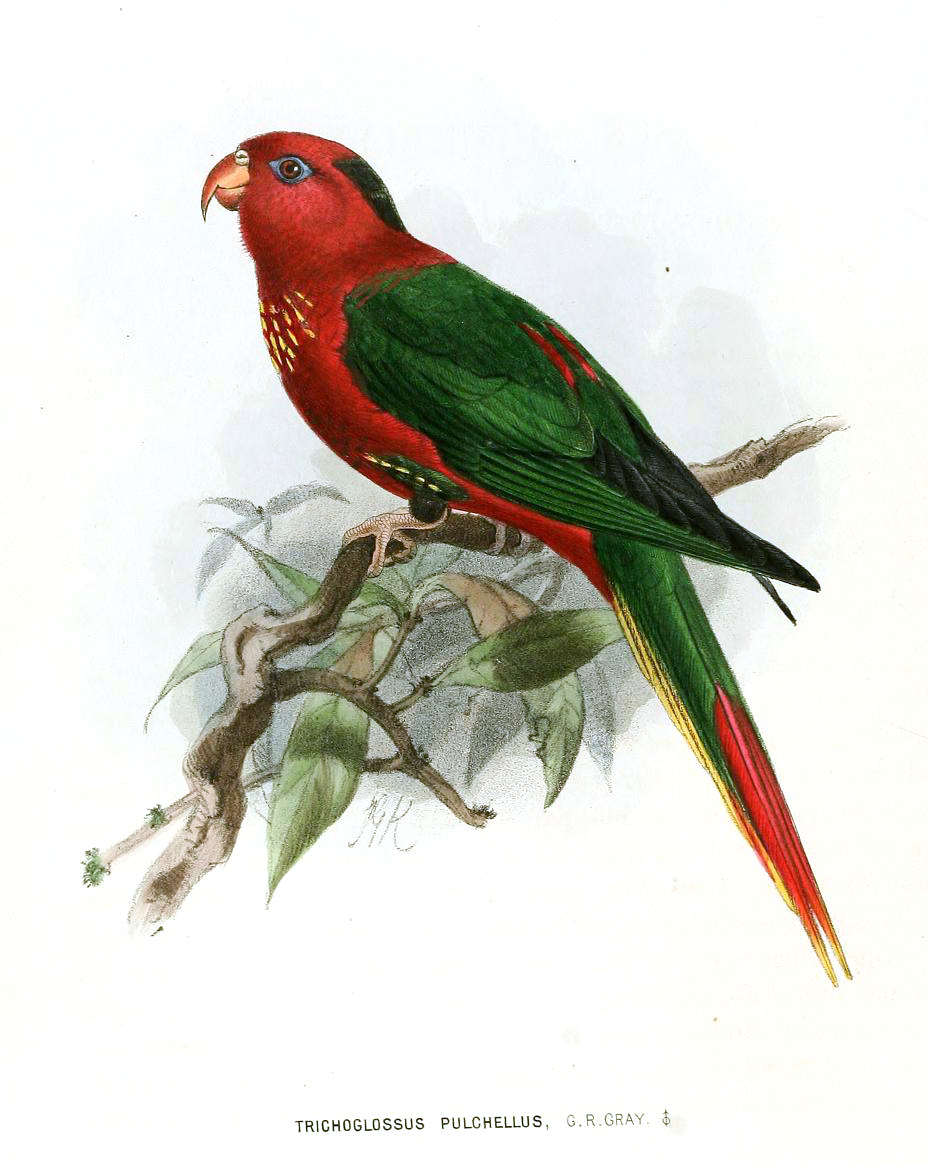
These species are often confused with the Golden-shouldered Parrot due to similar appearance or overlapping range.