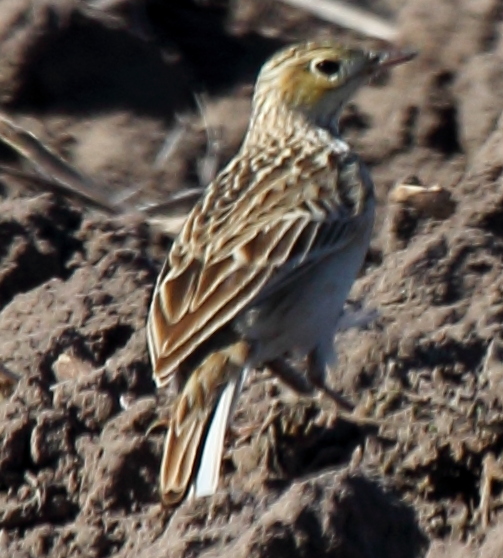
Grey-headed Wagtail
Motacilla thunbergi
Order: Passeriformes / Family: Motacillidae

Wikimedia Commons
About the Grey-headed Wagtail
The Grey-headed Wagtail, Motacilla thunbergi, is a subspecies of the Yellow Wagtail and is known for its striking plumage and adaptability. This bird primarily inhabits the Palearctic region, frequenting areas from Scandinavia to Siberia. Its presence is significant in wetland ecosystems where it plays a role in controlling insect populations. During breeding season, the Grey-headed Wagtail is often seen in open grasslands and tundra regions, favoring areas with low vegetation. This bird typically arrives in its breeding grounds in late spring, with timing closely linked to regional climatic conditions. The Grey-headed Wagtail often breeds in northern Europe, with significant populations in Sweden and Finland. Here, its role in the ecosystem extends to being a food source for larger predators, including birds of prey. As a migratory species, it undertakes a significant journey to its wintering grounds in southern Asia, traversing varied landscapes and showcasing its adaptability. The annual migration encompasses vast distances, highlighting the bird's endurance and the ecological importance of migratory pathways. During migration, the Grey-headed Wagtail can be found in diverse habitats such as rice paddies and marshes, illustrating its flexible habitat requirements. Throughout the seasons, its behaviors shift, with increased social interactions and flocking observed outside the breeding period. This wagtail's ability to thrive in different environments underscores its ecological versatility. Understanding its habits and movements provides insights into the health of the ecosystems it inhabits, making the Grey-headed Wagtail an important species for ornithologists and conservationists alike.
The Grey-headed Wagtail belongs to the family Motacillidae, within the order Passeriformes. These birds typically live average 2-4 years, with some individuals living up to 10 years..
How to Identify a Grey-headed Wagtail
The Grey-headed Wagtail is a small bird with a body length of approximately 15-16 cm and a wingspan of about 23-27 cm. The adult male is easily recognized by its grey head and contrasting bright yellow underparts, which make it stand out in its preferred open habitats. The female is similar but often has a slightly duller grey head and less intense yellow underparts, which can make identification tricky at a distance. Juveniles are browner overall, with less distinct head markings, which can lead to confusion with other yellow wagtail subspecies. In flight, the Grey-headed Wagtail exhibits a quick, undulating pattern characteristic of wagtails. Its long tail bobs up and down as it perches, a behavior common to wagtails and a helpful identification marker. Observers should note the lack of any supercilium (eyebrow stripe) in the adults, a feature that distinguishes it from similar species like the Yellow Wagtail. The bird's perching posture is upright, often seen flicking its tail and foraging actively on the ground.
Having trouble telling birds apart? Upload a photo to our bird identification tool for an instant species match.
Grey-headed Wagtail Habitat and Range
Preferred Habitat
Grey-headed Wagtails predominantly occupy open habitats like grasslands, meadows, and tundra during the breeding season. These areas, typically found in northern Europe and Asia, provide the low vegetation necessary for nesting and foraging. In winter, the wagtail shifts to more southern regions, including India and Southeast Asia, where it frequents wetlands, rice fields, and marshes. These environments offer the necessary abundance of insects and other small invertebrates that comprise their diet. The wagtail is adaptable, often seen in both rural and urban settings, provided there is access to open and semi-open spaces. While primarily a lowland bird, it can also be found at higher elevations during migration, utilizing mountain passes as corridors.
Geographic Range
The breeding range of the Grey-headed Wagtail extends across northern Europe into Asia, with populations concentrated in countries like Sweden, Norway, and Finland, stretching eastward to Siberia. During the winter months, this wagtail migrates to southern Asia, including India, Pakistan, and parts of Southeast Asia. Migration routes typically follow a southward path, passing through central Asia, with stopover sites in places like the Caspian Sea and the Indus Valley. These migration corridors are crucial for the bird's survival, providing necessary resources during its long journey. Population density is highest in its breeding range, with notable concentrations in northern Scandinavia.
Want to know which birds visit your area? Browse our backyard birds by location guides for region-specific species lists.
What Does the Grey-headed Wagtail Eat?
The Grey-headed Wagtail primarily feeds on insects, including a wide range of flies, beetles, and caterpillars. During the breeding season, its diet is heavily insectivorous, as these are abundant in its northern habitats. In the wintering grounds, the wagtail adapts to available food sources, often feeding on aquatic invertebrates found in rice paddies and wetlands. Its foraging technique involves quick, darting movements on the ground, picking prey with precision. The wagtail's feeding schedule is diurnal, with peak activity in the early morning and late afternoon when insect activity is high. Its ability to exploit different prey types showcases its adaptability.
Grey-headed Wagtail Behavior and Social Structure
The Grey-headed Wagtail exhibits a range of social behaviors, often seen in small flocks outside the breeding season. During the breeding period, males establish territories through song and display flights, chasing away intruders to protect their nesting area. Courtship involves a series of song flights and postures meant to attract a mate. Flocking behavior becomes more pronounced during migration, as the wagtail forms larger groups for safety and navigation. In response to predators, this wagtail employs alarm calls and erratic flight patterns to evade capture. Daily activity patterns show increased foraging activity at dawn and dusk.
Grey-headed Wagtail Nesting and Reproduction
Grey-headed Wagtails build their nests on the ground, often hidden among grass or low shrubs to avoid predators. The nest is a cup-shaped structure constructed from grasses, leaves, and lined with softer materials like feathers. A typical clutch consists of 4-6 eggs, which are incubated by the female for about 11-13 days. Both parents share feeding duties once the chicks hatch, providing regurgitated insects to the young. Fledging occurs approximately 13-15 days after hatching, with the young remaining dependent on parents for a short period post-fledging. The wagtail usually raises one brood per year, though favorable conditions may allow for a second.
Grey-headed Wagtail Sounds and Vocalizations
The Grey-headed Wagtail's primary song is a series of sharp, high-pitched notes delivered in quick succession, often described as a 'tswee-tswee-tswee'. These notes are repeated during display flights and territorial proclamations. Call notes include a distinctive 'tsip' sound, used in various social contexts. Alarm calls are more urgent, serving as warnings to other birds about potential threats. The wagtail participates in the dawn chorus, especially during the breeding season when males sing to establish territory and attract mates.
Interesting Facts About the Grey-headed Wagtail
- 1The Grey-headed Wagtail can travel over 5000 kilometers during its migratory journey between breeding and wintering grounds.
- 2Unlike many other bird species, the Grey-headed Wagtail often builds its nest directly on the ground, making it vulnerable to predators.
- 3This wagtail's diet can shift dramatically depending on the season, showcasing its adaptability to different environments.
- 4The Grey-headed Wagtail participates in cooperative foraging, especially during migration when food resources are scarce.
- 5Its undulating flight pattern is a distinctive characteristic, aiding in identification even at a distance.
- 6The wagtail's tail-bobbing behavior is not just for show; it helps dislodge insects from vegetation, making them easier to catch.
- 7Regions like the Indus Valley serve as critical stopover sites during the wagtail's long migratory journey.
Grey-headed Wagtail Conservation Status
Currently, the Grey-headed Wagtail is listed as Least Concern by the IUCN, with populations considered stable. However, habitat loss due to agricultural expansion and climate change poses long-term threats. Conservation efforts focus on preserving wetland habitats and maintaining migratory corridors. Historical data suggests that while some local populations have fluctuated, overall numbers have remained relatively steady. Ongoing monitoring is essential to ensure this wagtail's continued survival.