
Hylophilus brouni
Hylophilus brouni
Order: Passeriformes / Family: Vireonidae
About the Hylophilus brouni
Hylophilus brouni, commonly known as Broun's Vireo, is a small passerine bird found predominantly in the montane and lowland forests of Central America. This species plays a vital ecological role as both a predator of insects and a disperser of seeds, contributing to the health and diversity of its forest habitat. Its range extends through countries such as Costa Rica and Panama, where it thrives in dense foliage, often inhabiting the canopy and mid-story layers of tropical forests. Its presence in these ecosystems helps control insect populations and supports plant regeneration through seed dispersal. Seasonally, Broun's Vireo exhibits some altitudinal migration, moving to lower elevations during the wetter months to take advantage of the abundant food resources found there. This movement also aids in spreading the seeds of various plant species across different altitudes, thereby promoting genetic diversity and resilience within its habitat. The Hylophilus brouni is a keystone species within its environment, evidenced by its interactions with other species, including mutualistic relationships with certain fruiting plants. These birds are often observed in mixed-species flocks, which can enhance foraging success and reduce the risk of predation. As a result, Broun's Vireo is not only a crucial component of its ecosystem but also an indicator of forest health, reflecting changes in ecological conditions due to its sensitivity to habitat alteration.
The Hylophilus brouni belongs to the family Vireonidae, within the order Passeriformes. These birds typically live estimated to be around 5-7 years, though precise data is lacking..
How to Identify a Hylophilus brouni
Adult Broun's Vireos are easily identifiable by their olive-green upperparts, which provide excellent camouflage among the foliage. Their underparts are a lighter, grayish-white, adding to their subtle elegance. The species exhibits a faint white eye-ring that can help in distinguishing them from similar birds. Juveniles resemble adults but often have a duller plumage and lack the prominent eye-ring. Males and females share similar plumage, making them difficult to differentiate in the field. In flight, their wings appear short and rounded, typical of vireos, while their perching posture is upright, often seen actively gleaning insects from leaves. Similar species that may cause confusion include the Red-eyed Vireo, but Broun's Vireo is smaller and lacks the distinct red eye. Understanding these subtle differences is crucial for accurate field identification, especially in mixed flocks.
Having trouble telling birds apart? Upload a photo to our bird identification tool for an instant species match.
Hylophilus brouni Habitat and Range
Preferred Habitat
Broun's Vireo primarily inhabits tropical forests, including both primary and secondary growth areas. It is frequently found in moist montane forests, thriving at elevations ranging from 600 to 2000 meters. The bird also adapts to lower elevations during certain seasons, particularly where forest cover remains dense. Unlike some vireos, Hylophilus brouni is rarely seen in urban environments, preferring the complex structure of forest canopies and understories. Seasonal shifts in habitat often coincide with changes in food availability, prompting short migrations that reflect the adaptability of this species to varying environmental conditions.
Geographic Range
The range of Hylophilus brouni is concentrated in Central America, with populations primarily in Costa Rica and Panama. The bird breeds in these regions, taking advantage of the diverse forest habitats available. During the non-breeding season, some populations may move within this range, descending to lower altitudes in response to climatic conditions and food supply. This altitudinal migration helps the species cope with seasonal changes in temperature and resource availability. Although Broun's Vireo is not considered migratory in the traditional sense, its movement patterns underline the dynamic nature of its range, which is influenced by both ecological and environmental factors.
Want to know which birds visit your area? Browse our backyard birds by location guides for region-specific species lists.
What Does the Hylophilus brouni Eat?
The diet of Broun's Vireo consists mainly of insects and small arthropods, which it skillfully gleans from foliage. Its foraging technique involves moving methodically through the canopy, using its sharp bill to capture prey hidden among leaves. In addition to insects, it also consumes fruits and berries, particularly in seasons when insect populations decline. This dietary flexibility allows Hylophilus brouni to exploit a variety of food sources throughout the year, ensuring its survival even in fluctuating environmental conditions. The size of the prey typically ranges from small caterpillars to beetles, fitting well within the bird's dietary preferences.
Hylophilus brouni Behavior and Social Structure
Broun's Vireo is a social species, frequently seen in the company of mixed-species flocks. This behavior provides multiple benefits, including enhanced foraging efficiency and increased vigilance against predators. Territorial behavior is most evident during the breeding season, when males establish and defend their territories through song and display. Courtship involves a series of vocalizations and displays, with pairs often engaging in mutual preening. Outside the breeding season, Hylophilus brouni shows less territoriality, focusing instead on foraging and maintaining social bonds within flocks. Daily activities include periods of intense feeding in the early morning and late afternoon, with midday often spent resting or preening.
Hylophilus brouni Nesting and Reproduction
The nesting habits of Broun's Vireo involve constructing a small, cup-shaped nest using plant fibers, moss, and spider silk. These nests are typically placed in the fork of a tree branch, well-concealed by foliage. The average clutch size ranges from two to three eggs, which are incubated primarily by the female. The incubation period lasts approximately 12 to 14 days, after which the chicks hatch and are fed by both parents. Fledging occurs around 11 to 13 days after hatching, with young birds remaining dependent on parental care for several weeks. Broun's Vireo may raise multiple broods per year, particularly in regions with extended breeding seasons.
Hylophilus brouni Sounds and Vocalizations
Broun's Vireo's primary song consists of a series of short, melodic phrases, often described as a rapid succession of whistles and trills. The pitch is moderate, and the song is delivered with a clear, ringing quality that carries well through dense forest canopies. Its call notes are sharp and distinct, used primarily for communication between mates and flock members. Alarm calls are more abrupt and harsh, serving to alert others to potential threats. During the dawn chorus, Hylophilus brouni is a prominent voice, contributing to the symphony of sounds that characterize tropical forests.
Interesting Facts About the Hylophilus brouni
- 1Broun's Vireo uses spider silk to bind its nest materials, which adds strength and flexibility to the structure.
- 2Despite their small size, they have a surprisingly loud song that can be heard over long distances in the forest.
- 3Broun's Vireo often joins mixed-species flocks, benefiting from the 'many eyes' effect to spot predators.
- 4Their diet shifts seasonally; during the rainy season, they consume more fruits to supplement their insect diet.
- 5The species was named in honor of Percy Broun, a noted ornithologist who contributed to the study of Central American birdlife.
Hylophilus brouni Conservation Status
Currently, Hylophilus brouni is listed as Least Concern by the IUCN. While its populations appear stable, the primary threats include habitat loss due to deforestation and land conversion. Conservation efforts focus on preserving and restoring forest habitats, crucial for maintaining healthy populations. Historical population data indicate that while some local declines have occurred, overall numbers remain relatively stable, supported by the species' adaptability to secondary forests. Ongoing monitoring and habitat protection are essential to safeguard its future.
Other Vireonidae Species


Birds Similar to the Hylophilus brouni
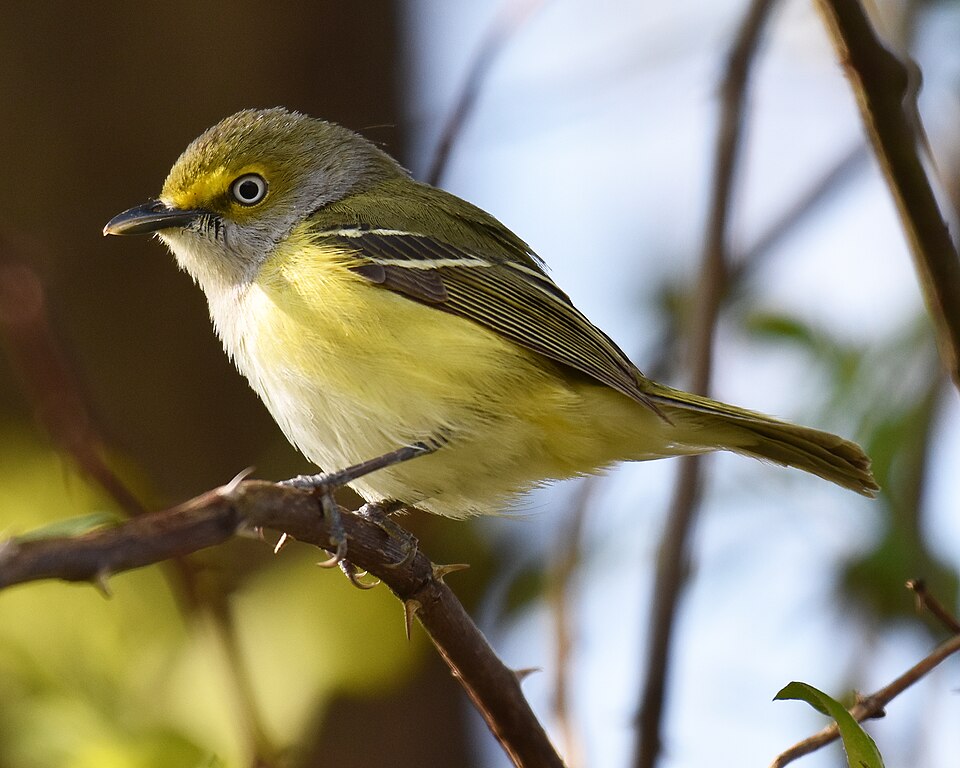
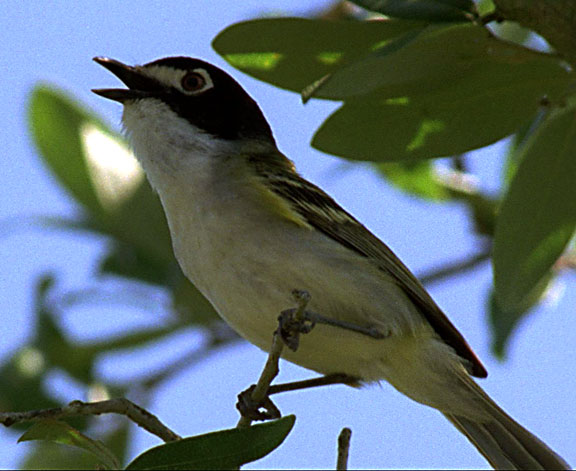
These species are often confused with the Hylophilus brouni due to similar appearance or overlapping range.

