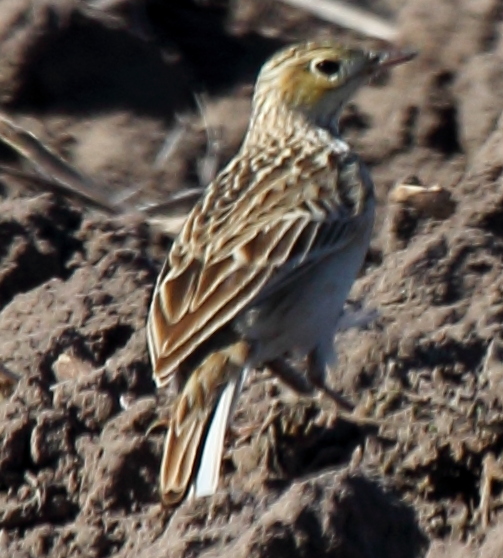
Japanese Wagtail
Motacilla grandis
Order: Passeriformes / Family: Motacillidae

Wikimedia Commons
About the Japanese Wagtail
The Japanese Wagtail, Motacilla grandis, stands as a striking figure in the avian world with its bold black-and-white plumage and distinctive tail-wagging behavior. This passerine bird, endemic to East Asia, holds considerable significance both culturally and ecologically. Seen frequently in Japan, the species also extends to parts of Korea, highlighting its adaptability across a range of environments. Known for its strong association with water, the Japanese Wagtail often frequents riverbanks, streams, and urban waterways, bringing a touch of avian elegance to these landscapes. The bird's presence in such habitats underscores its ecological role as an effective insect predator, helping control pest populations. Seasonal behaviors of the Japanese Wagtail present a fascinating study in adaptability. In the breeding season, which spans from March to July, these wagtails establish territories along watercourses with dense vegetation. Their courtship involves elaborate displays, including synchronized tail-wagging and vocalizations that echo through their chosen habitat. Outside the breeding period, Japanese Wagtails remain largely sedentary, though they may exhibit local movements in response to weather conditions or food availability. Their year-round presence in urban environments, notably in cities like Tokyo and Osaka, attests to their ability to thrive in human-modified landscapes. The Japanese Wagtail's cultural significance in Japan cannot be understated. Often depicted in traditional art and literature, this bird symbolizes purity and resilience. Ecologically, it serves as an indicator species, reflecting the health of the riverine and urban ecosystems it inhabits. As a member of the Motacillidae family, it shares characteristics with other wagtails, including an affinity for open areas near water. Its role in controlling insect populations is crucial, particularly in agricultural zones where it helps maintain a balanced ecosystem. The Japanese Wagtail's adaptability to urban life highlights its resilience, yet it also faces challenges from habitat alteration and pollution. Conservation efforts must focus on protecting vital habitats and ensuring that urban waterways remain clean and sustainable.
The Japanese Wagtail belongs to the family Motacillidae, within the order Passeriformes. These birds typically live typically 4-7 years, with some individuals recorded up to 9 years..
How to Identify a Japanese Wagtail
The Japanese Wagtail is easily recognized by its distinctive black-and-white plumage. Adult birds exhibit a striking contrast between their black head, throat, and back, and their white underparts. This coloration makes the Japanese Wagtail one of the most visually striking members of the wagtail family. The wings show a mix of black and white, while the long tail, a characteristic feature of the species, is predominantly black with white edges. Juvenile Japanese Wagtails differ slightly from adults, displaying more muted tones with some brownish hues on their upperparts and a less pronounced black throat. As they mature, their plumage transitions to the more defined black-and-white pattern of the adults. Male and female Japanese Wagtails are similar in appearance, though subtle differences can sometimes be noted, such as the slightly more pronounced black on the male's throat during the breeding season. In flight, the Japanese Wagtail presents a slender silhouette with rapid wingbeats and undulating flight patterns. When perched, the bird often adopts a horizontal stance, frequently wagging its tail up and down. This tail-wagging behavior is not only a key identification feature but also a characteristic trait of wagtails. Confusion with other species is minimal due to its unique color pattern. However, it may be superficially similar to the White Wagtail, which lacks the solid black back and has a different facial pattern.
Having trouble telling birds apart? Upload a photo to our bird identification tool for an instant species match.
Japanese Wagtail Habitat and Range
Preferred Habitat
Japanese Wagtails are primarily found in habitats associated with water. They thrive along riverbanks, streams, lakeshores, and wetlands, where they can forage for insects and other small invertebrates. In urban areas, they adapt to canals, drainage ditches, and even city parks with water features. Their preference for lowland regions is evident, though they can occur at elevations up to 1000 meters in more mountainous areas. Seasonal habitat shifts are minimal, as this species is largely sedentary. However, they may move locally in response to food availability or adverse weather. The Japanese Wagtail's presence in urban environments, such as those found in cities like Kyoto and Sapporo, underscores its adaptability to human-altered landscapes. While they are commonly found in rural areas with ample water sources, their urban residency highlights their ability to exploit anthropogenic habitats.
Geographic Range
The Japanese Wagtail is primarily found in Japan, where it is a resident species throughout the year. Its range extends across the main islands, including Honshu, Kyushu, Shikoku, and Hokkaido, making it a familiar sight in both urban and rural settings. Outside of Japan, the species has a limited presence in parts of Korea, especially in coastal and riverine areas, although it is less common there. Migration is not a significant aspect of the Japanese Wagtail's life cycle, as the species is largely sedentary. However, local movements may occur, particularly in response to climatic conditions or food availability. Population density hotspots are noted in lowland areas with abundant water sources, such as the Kanto region in Japan, where the combination of natural and urban habitats provides ample foraging opportunities. Despite its relatively limited range, the Japanese Wagtail maintains stable populations in its core areas.
Want to know which birds visit your area? Browse our backyard birds by location guides for region-specific species lists.
What Does the Japanese Wagtail Eat?
The diet of the Japanese Wagtail primarily consists of insects and small invertebrates, which it actively forages for along riverbanks, streams, and other water bodies. During the breeding season, from March to July, the need for protein-rich food increases, leading the birds to hunt for various aquatic and terrestrial insects, including beetles, flies, and caterpillars. The wagtail's hunting technique involves a combination of walking and short flights, during which it captures prey with precision. Its sharp eyes and quick reflexes allow it to exploit a wide range of small prey items. Outside the breeding season, the diet remains insect-centric but may expand to include small aquatic invertebrates and occasionally seeds, particularly in urban areas where food sources are more diverse. The Japanese Wagtail's feeding schedule is diurnal, with peak activity in the early morning and late afternoon when insect activity is highest. The bird's role as an insectivore makes it an important component of its ecosystem, helping to control pest populations in both agricultural and urban environments.
Japanese Wagtail Behavior and Social Structure
The Japanese Wagtail exhibits a range of behaviors that reflect its adaptive strategies and social interactions. This species is generally solitary or found in pairs, especially during the breeding season when territoriality is pronounced. Males establish territories along suitable watercourses, vigorously defending them from intruders through vocal displays and physical posturing. Courtship involves elaborate displays, including mutual tail-wagging, chasing flights, and vocalizations that are integral to pair bonding. Outside of the breeding season, Japanese Wagtails may form loose flocks, particularly in areas with abundant food resources. These flocks are generally small, comprising a few individuals, and are more common in urban environments where food is patchily distributed. The wagtail's response to predators involves a combination of alarm calls and evasive flight maneuvers. Alarm calls are sharp and distinctive, serving to alert other wagtails of potential danger. Daily activity patterns are largely diurnal, with birds typically active from dawn to dusk. They spend considerable time foraging, interspersed with periods of preening and resting. The Japanese Wagtail's adaptability to urban life is reflected in its ability to navigate busy cityscapes while maintaining its characteristic behaviors.
Japanese Wagtail Nesting and Reproduction
Japanese Wagtails construct their nests in a variety of locations, often favoring sites with some degree of cover and proximity to water. Preferred nesting sites include riverbanks, under bridges, and even within urban structures such as building ledges. The nest is a cup-shaped structure made from grasses, leaves, and other plant materials, lined with softer substances like feathers and hair. Clutch size typically ranges from three to five eggs, which are incubated for about 11 to 14 days by both parents. The eggs are pale, with speckled markings that provide some camouflage. After hatching, the chicks remain in the nest for approximately 12 to 14 days before fledging. Both parents share the responsibility of feeding and caring for the young, with frequent deliveries of insects and other small prey. Japanese Wagtails commonly rear two broods per year, capitalizing on the extended breeding season to maximize reproductive success.
Japanese Wagtail Sounds and Vocalizations
The primary song of the Japanese Wagtail is a series of clear, melodious notes that carry well across open landscapes. This song, often heard during the breeding season, serves both to attract mates and to establish territory. The rhythm is somewhat variable, with a mix of short and long notes delivered in a sequence. In addition to its song, the Japanese Wagtail produces a variety of call notes. These include sharp, metallic 'chink' sounds used in communication between pairs or as alarm calls when a threat is detected. The alarm call is particularly distinctive, often repeated in quick succession to alert other wagtails. During the dawn chorus, the Japanese Wagtail joins other birds in vocalizing, adding to the symphony of sounds that greet the day.
Interesting Facts About the Japanese Wagtail
- 1The Japanese Wagtail can often be seen wagging its tail rhythmically, a behavior that serves both to flush out insects and as a social signal.
- 2Despite being a water-associated bird, the Japanese Wagtail is remarkably adaptable to urban environments, thriving in places like Tokyo and Osaka.
- 3The Japanese Wagtail's scientific name, Motacilla grandis, reflects its larger size relative to other wagtails in the region.
- 4During courtship, male Japanese Wagtails perform intricate displays involving synchronized movements and vocalizations to attract females.
- 5Japanese Wagtails are known to use urban structures as nesting sites, including ledges and bridges, showcasing their adaptability.
- 6The diet of the Japanese Wagtail is predominantly insectivorous, making it an important natural pest controller in agricultural areas.
- 7Japanese Wagtails exhibit minimal migratory behavior, largely remaining within their range throughout the year, unlike many other wagtail species.
Japanese Wagtail Conservation Status
The Japanese Wagtail is currently listed as Least Concern by the IUCN, reflecting its stable population trends across its range. However, like many bird species, it faces threats from habitat destruction and pollution, particularly in urban and agricultural areas. Conservation efforts focus on preserving wetland habitats and maintaining clean waterways, which are critical for the bird's survival. Historically, the Japanese Wagtail has maintained stable populations, although urban expansion and changes in land use present ongoing challenges. Conservationists emphasize the importance of monitoring population trends and protecting key habitats to ensure the species continues to thrive.