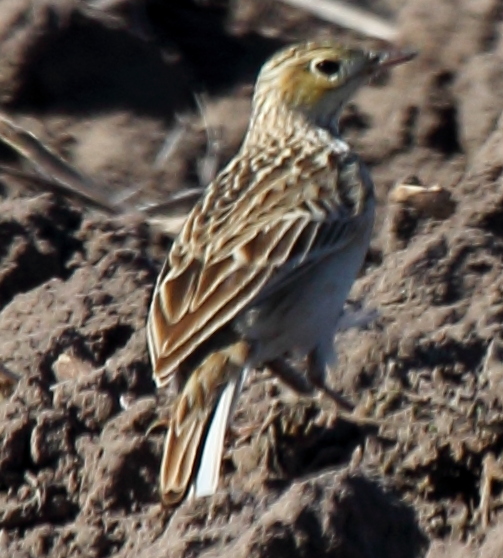
Motacilla acredula
Motacilla acredula
Order: Passeriformes / Family: Motacillidae

Wikimedia Commons
About the Motacilla acredula
The White Wagtail, scientifically known as Motacilla acredula, is a small passerine bird celebrated for its agile movements and distinctive plumage. This adaptable bird primarily inhabits open areas such as fields, meadows, and riverbanks across Europe and Asia. It thrives in diverse climates, from the temperate zones of Western Europe to the boreal regions of Siberia. During the breeding season, the White Wagtail establishes territories near water bodies, where it can efficiently hunt its primary prey, insects. Its ecological role is significant as it helps control insect populations, many of which can be agricultural pests. This bird is also a key prey item for a variety of predators, including birds of prey and small mammals. The White Wagtail's presence often indicates healthy ecosystem dynamics, serving as a bioindicator of environmental quality. This species exhibits fascinating seasonal behaviors, notably its long migration from northern breeding grounds to southern wintering areas. In winter, the White Wagtail is a familiar sight in urban settings, where it forages in parks and gardens. Its adaptability to human-modified landscapes underscores its resilience and ability to thrive despite environmental changes. The White Wagtail's cheerful, melodic song adds a vibrant auditory layer to its habitats, particularly during the breeding season, when males sing vigorously to defend territories and attract mates. Throughout its range, the White Wagtail plays a crucial role in cultural folklore, often symbolizing vitality and the changing seasons.
The Motacilla acredula belongs to the family Motacillidae, within the order Passeriformes. These birds typically live average 3-5 years with a maximum recorded of 10 years..
How to Identify a Motacilla acredula
The adult White Wagtail is characterized by its black and white plumage, with a distinctive black cap and bib, contrasting with a white face and underparts. Its long tail, predominantly black with white outer feathers, gives it a unique silhouette in flight and at rest. Juvenile wagtails exhibit a duller appearance, with more muted grayish tones replacing the stark contrasts of adults. Males and females share similar plumage, though males may exhibit slightly more pronounced black markings during the breeding season. This species can be confused with the similar-looking White-throated Wagtail, but the latter typically has a more extensive white throat and a different range. In flight, the White Wagtail's undulating pattern and characteristic tail wagging are key identification features. When perched, it often adopts a horizontal posture, constantly flicking its tail up and down, which helps differentiate it from other small passerines.
Having trouble telling birds apart? Upload a photo to our bird identification tool for an instant species match.
Motacilla acredula Habitat and Range
Preferred Habitat
The White Wagtail inhabits open countryside, preferring areas with access to water such as rivers, lakes, and wetlands. It thrives at elevations ranging from sea level to alpine meadows, adapting well to various landscapes. During migration and winter, it frequents urban areas, including parks and gardens, where it forages for insects. Although primarily associated with rural environments, the White Wagtail demonstrates remarkable adaptability to human-modified habitats, often seen along roadsides and in agricultural fields. Seasonal shifts see it move from breeding grounds in northern Europe and Asia to warmer southern regions during winter.
Geographic Range
The breeding range of the White Wagtail extends across Europe and Asia, from the British Isles and Scandinavia in the west to the Kamchatka Peninsula in the east. In winter, it migrates to southern Europe, North Africa, and parts of the Middle East and South Asia. Migration corridors include well-traveled routes through Central Europe and the Mediterranean. Notable population densities occur in river valleys and coastal regions during breeding, while winter sees it in urban and agricultural landscapes. The White Wagtail is a common sight in countries like the UK, Sweden, and Russia during the breeding season, while winter finds it in Spain, Morocco, and India.
Want to know which birds visit your area? Browse our backyard birds by location guides for region-specific species lists.
What Does the Motacilla acredula Eat?
The diet of the White Wagtail primarily consists of insects, including flies, beetles, and caterpillars. It supplements its insectivorous diet with small aquatic invertebrates, especially when foraging near water bodies. During the breeding season, it focuses on high-protein prey to support energy-intensive activities. Seasonal variations see it consuming more seeds and plant material in winter, especially in urban areas where insects are less abundant. The White Wagtail employs a distinctive foraging technique, running in short bursts to catch prey on the ground or making short flights to snatch insects from the air. Feeding occurs throughout the day, with peak activity in the early morning and late afternoon.
Motacilla acredula Behavior and Social Structure
White Wagtails are primarily solitary or found in pairs during the breeding season, but they exhibit sociable behavior in winter, forming loose flocks. Territorial during breeding, males engage in conspicuous displays, including singing and tail wagging, to deter rivals and attract mates. Courtship involves intricate displays where males chase females in acrobatic flights. The White Wagtail exhibits a strong response to predators, often mobbing larger birds or using distraction displays to protect nests. Daily activities include foraging, preening, and singing, with peak activity at dawn and dusk. Its adaptability to human presence allows it to exploit urban environments efficiently.
Motacilla acredula Nesting and Reproduction
White Wagtails build cup-shaped nests using grass, moss, and feathers, often located in crevices, under bridges, or in stone walls. They prefer sites near water, ensuring ample food supply for their young. A typical clutch consists of 4-6 eggs, with incubation lasting 11-14 days, mainly by the female. Both parents share feeding duties, ensuring rapid growth of the chicks, which fledge after 14-16 days. The White Wagtail may raise two broods per year, depending on food availability and climatic conditions. Parental care extends beyond fledging, with adults continuing to feed and protect young birds.
Motacilla acredula Sounds and Vocalizations
The White Wagtail's primary song is a series of cheerful, melodious notes, often described as a clear 'tsilip-tsilip'. Males sing frequently during the breeding season, using song to establish territories and attract females. Call notes include a sharp 'chissik' used in flight and as an alarm call when predators approach. The bird's dawn chorus is a lively mix of song and calls, creating a vibrant soundscape in its habitat. Its vocalizations, though simple, are distinctive and serve as an essential communication tool within flocks and family groups.
Interesting Facts About the Motacilla acredula
- 1White Wagtails can cover over 3000 kilometers during migration, showcasing remarkable endurance.
- 2The wagging motion of their tail is not just a display; it aids in flushing insects, making foraging more effective.
- 3In Japan, the White Wagtail is known as 'Hakusekirei' and is considered a symbol of good fortune.
- 4Despite their dainty appearance, White Wagtails can thrive in urban environments, often seen foraging in bustling city centers.
- 5The species exhibits regional plumage variations, with northern populations showing slightly darker coloration than their southern counterparts.
Motacilla acredula Conservation Status
The White Wagtail is currently classified as Least Concern by the IUCN, with a stable population trend. Its adaptability to varied environments buffers it against some threats faced by other species. However, habitat loss due to urbanization and agricultural intensification poses localized threats. Conservation efforts focus on preserving wetland and riparian habitats, crucial for breeding and foraging. Historical data suggest population fluctuations linked to climate variations and human activities, but its widespread range and adaptive nature provide resilience.