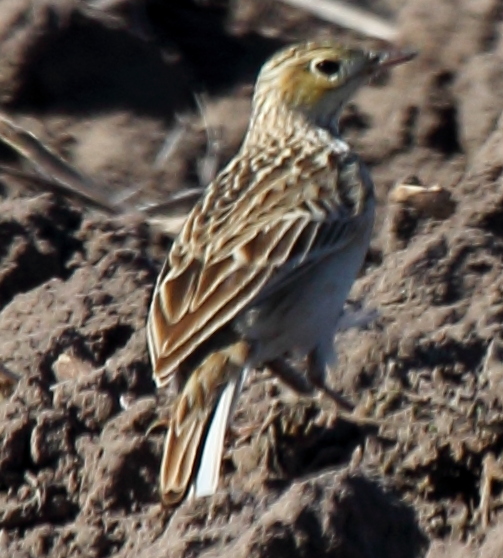
Motacilla arenarea
Motacilla arenarea
Order: Passeriformes / Family: Motacillidae
About the Motacilla arenarea
The Motacilla arenarea, commonly known as the Arenarea wagtail, is a striking member of the family Motacillidae. This bird exhibits a striking black and white contrast in its plumage, which makes it easily recognizable among its wagtail relatives. It typically inhabits the open landscapes of various regions in Europe and Asia. The Arenarea wagtail plays a crucial role in its ecosystem, primarily as an insectivore, which helps control insect populations. During the warmer months, these birds are often found near water bodies such as rivers, streams, and lakes where they can access abundant food resources. Their presence in these habitats underscores their ecological role as both predator and prey, maintaining a delicate balance within their environment. The Motacilla arenarea's significance extends beyond its ecological contributions. It serves as an indicator species for gauging the health of the environments it inhabits. Changes in its population numbers or behavior can signal shifts in environmental conditions, prompting further investigation by conservationists and ecologists. The bird undergoes seasonal behavior changes, migrating to milder climates during the harsh winters of its breeding range. During migration and in wintering grounds, it remains a lively presence, often seen foraging in open fields and flooded meadows. Observing the Arenarea wagtail through the seasons offers insights into the adaptability and resilience of this remarkable bird.
The Motacilla arenarea belongs to the family Motacillidae, within the order Passeriformes. These birds typically live estimated around 4-6 years, though specific data is scarce..
How to Identify a Motacilla arenarea
Adult Motacilla arenarea are easily identified by their bold plumage. The contrasting black and white coloring makes them stand out. The head and upper parts are predominantly black, while the underparts are white, with a distinct white bar on the wings. Juveniles, in contrast, have a duller appearance with more grayish tones, lacking the deep black found in adults. Males and females are similar in appearance, but males may exhibit slightly more vibrant plumage during the breeding season. The flight silhouette of the Arenarea wagtail is distinct, with long, slender wings and a characteristic wagging motion of its tail. When perched, it often adopts an upright posture, occasionally bobbing its tail. In flight, it presents a clean, linear outline with rapid wingbeats and glides. The bird's profile can cause confusion with similar species, such as the White wagtail, but the Motacilla arenarea can be distinguished by its more defined black and white contrast and habitat preferences.
Having trouble telling birds apart? Upload a photo to our bird identification tool for an instant species match.
Motacilla arenarea Habitat and Range
Preferred Habitat
The Arenarea wagtail primarily inhabits open areas near water, such as rivers, streams, and wetlands. It favors lowland regions but can be found at various elevations, from sea level up to 1000 meters. Seasonal habitat shifts occur, with the bird moving to more sheltered and temperate areas during winter. While it occasionally ventures into urban settings, it is more common in rural environments where it finds ample foraging opportunities. Its preference for open landscapes near water makes it a frequent visitor to agricultural fields, floodplains, and coastal areas during migration.
Geographic Range
The Motacilla arenarea breeds across a wide range in northern Europe and parts of Asia, including countries such as Sweden, Finland, and Russia. During the winter months, it migrates south to milder climates in Southern Europe and parts of the Middle East. Migration corridors often include areas like the Balkans and the eastern Mediterranean. Population density hotspots occur in regions with abundant wetlands and open landscapes, where they find their preferred foraging habitats. The bird's distribution is predominantly in the Palearctic region, with movement patterns largely dictated by seasonal climatic changes.
Want to know which birds visit your area? Browse our backyard birds by location guides for region-specific species lists.
What Does the Motacilla arenarea Eat?
The diet of the Arenarea wagtail primarily consists of insects and small invertebrates, which it actively hunts in open fields and near water bodies. Insects such as beetles, flies, and aphids form the bulk of its diet, with occasional consumption of small crustaceans and mollusks. During breeding season, it almost exclusively feeds on insects to meet the high energy demands of raising young. Foraging behavior involves quick, darting movements and the characteristic tail wagging, which may help flush out prey from vegetation. The bird typically feeds throughout daylight hours with increased activity in the morning and late afternoon.
Motacilla arenarea Behavior and Social Structure
The Motacilla arenarea exhibits interesting social behavior, often forming small flocks during migration and in wintering areas. These flocks provide safety in numbers, helping individuals detect predators more easily. The bird is territorial during the breeding season, with males establishing and defending territories through song and display flights. Courtship displays include wing and tail flicking, accompanied by vocalizations. The Arenarea wagtail remains active throughout the day, engaging in foraging and social interactions. When threatened, it displays alarm by emitting sharp calls and taking evasive flight.
Motacilla arenarea Nesting and Reproduction
Nesting for the Motacilla arenarea involves building a cup-shaped nest close to the ground, often concealed in vegetation or crevices near water. The nest is constructed from grass, twigs, and lined with softer materials like feathers. Clutch size varies from 4 to 6 eggs, with both parents sharing incubation duties, which last about 12-14 days. After hatching, the chicks fledge in approximately two weeks. Both male and female participate in feeding the young, ensuring high survival rates. Typically, the Arenarea wagtail raises two broods per year, depending on the climate and food availability.
Motacilla arenarea Sounds and Vocalizations
The primary song of the Arenarea wagtail is a series of high-pitched, melodious notes delivered in a rapid sequence. Its song often includes trills and whistles, with a lively and cheerful quality. Call notes are sharp and metallic, serving as a communication tool among flock members. Alarm calls are distinct, short, and urgent, alerting others to potential danger. The bird participates in the dawn chorus, with song activity peaking during the early morning hours. Its vocalizations add a vibrant layer to the acoustic environment of its habitats.
Interesting Facts About the Motacilla arenarea
- 1The Motacilla arenarea often wags its tail while foraging, a behavior that may help flush out insects.
- 2This wagtail is known for its impressive migratory journeys, often covering thousands of kilometers.
- 3The bird's nesting sites are usually well-hidden, offering protection from predators.
- 4The Arenarea wagtail's song is among the most melodic compared to its relatives.
- 5Despite being a ground-nester, it skillfully avoids predators using camouflage and evasive tactics.
- 6During migration, it can form large flocks, sometimes numbering in the hundreds.
- 7Its ability to adapt to various habitats makes it a widespread and successful species.
Motacilla arenarea Conservation Status
Currently, the Motacilla arenarea is not listed as threatened, with its population considered stable. However, habitat loss due to wetland drainage and agricultural expansion poses significant threats. Conservation efforts focus on habitat protection and restoration, particularly in key breeding and wintering areas. Historical population changes have remained relatively stable, although local declines have been observed in regions with intensive land use changes. Monitoring and habitat preservation are essential to ensure the long-term survival of this species.