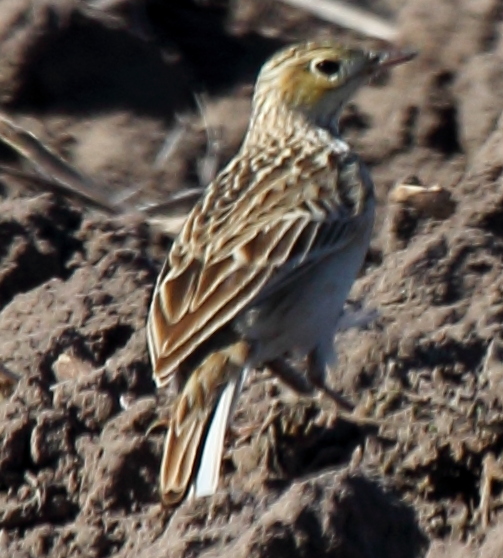
African Pied Wagtail
Motacilla caffra
Order: Passeriformes / Family: Motacillidae

Wikimedia Commons
About the African Pied Wagtail
The African Pied Wagtail, scientifically known as Motacilla caffra, is a distinctive member of the Motacillidae family, widely recognized for its elegant black and white plumage and long, constantly wagging tail. This bird occupies a significant ecological niche across sub-Saharan Africa, where it thrives in a variety of environments, including urban areas, riverbanks, and open grasslands. The species is particularly abundant in countries like South Africa, Zimbabwe, and Kenya. Its adaptability to various habitats, from bustling cities to serene rural landscapes, underscores its ecological versatility. In urban settings, the wagtail often frequents gardens and parks, where it can be seen energetically searching for insects. Its ecological role extends to controlling insect populations, which it achieves through its agile foraging activities. Seasonally, the African Pied Wagtail exhibits some movement patterns, although it is largely sedentary throughout its range. In certain regions, such as Eastern Africa, it may move locally to exploit temporary food surpluses. Breeding behaviors are predominantly observed during the rainy season when food resources are more plentiful. The African Pied Wagtail's presence serves as an indicator of healthy wetland and river ecosystems, as it thrives in areas with clean, flowing water. Conservation efforts focus on maintaining these vital habitats, ensuring that this emblematic bird continues to grace the African landscape with its charming presence.
The African Pied Wagtail belongs to the family Motacillidae, within the order Passeriformes. These birds typically live average 3-4 years with a maximum recorded of 6 years..
How to Identify a African Pied Wagtail
The African Pied Wagtail is easily recognizable by its bold black and white plumage. Adults display a stark contrast between their glossy black back and wings and the bright white underparts and face. A distinctive black bib extends down from the throat, adding to its striking appearance. Juvenile wagtails exhibit a more subdued coloration, with browner tones replacing the adults' crisp black, and their bibs are less defined. Males and females appear similar, although males may have slightly more intense black plumage during the breeding season. In flight, the African Pied Wagtail is notable for its undulating flight pattern and the flash of white on its outer tail feathers. When perched, it often bobs its tail vigorously, a behavior that is characteristic of the wagtail family. This species can occasionally be confused with the White Wagtail (Motacilla alba), but its more uniformly black upperparts help distinguish it. Observing the bird's behavior and habitat can aid in accurate identification.
Having trouble telling birds apart? Upload a photo to our bird identification tool for an instant species match.
African Pied Wagtail Habitat and Range
Preferred Habitat
The African Pied Wagtail inhabits a wide range of habitats across its range in sub-Saharan Africa. It is commonly found in riparian environments, frequenting riverbanks, streams, and lakeshores. These areas provide the bird with abundant foraging opportunities and nesting sites. In addition to wetlands, the wagtail is well adapted to human-altered landscapes, including urban and suburban areas, where it can often be seen in gardens, parks, and on golf courses. The species thrives from sea level up to elevations of about 2,500 meters, demonstrating its adaptability to various altitudinal zones. During the dry season, wagtails may move to more permanent water sources, highlighting their dependence on aquatic habitats.
Geographic Range
The range of the African Pied Wagtail extends across much of sub-Saharan Africa. It is a resident breeder in countries such as South Africa, Botswana, Zimbabwe, Mozambique, Zambia, and East African nations like Kenya and Tanzania. While largely sedentary, some populations may undertake local movements in response to seasonal changes in food availability and water levels. The species is most abundant in areas with consistent water sources, such as rivers and lakes, where its population density tends to be higher. These wagtails are generally absent from arid regions, preferring habitats with reliable water access.
Want to know which birds visit your area? Browse our backyard birds by location guides for region-specific species lists.
What Does the African Pied Wagtail Eat?
The diet of the African Pied Wagtail primarily consists of insects and other invertebrates, which it skillfully catches on the ground or near water. Its foraging technique involves a combination of walking and short flights, during which it snaps up prey items like flies, beetles, and spiders. The wagtail's diet shifts seasonally, with an increased intake of aquatic insects during the rainy season when these are more abundant. The bird's keen eyesight and quick reflexes enable it to seize prey efficiently, and it often follows larger animals to catch insects disturbed by their movement. Feeding occurs throughout the day, with peak activity in the early morning and late afternoon.
African Pied Wagtail Behavior and Social Structure
The African Pied Wagtail exhibits a fascinating array of behaviors, including its characteristic tail-wagging, which is thought to play a role in communication and predator distraction. This species is often seen alone or in pairs, though it may join small mixed-species flocks outside of the breeding season. Territorial during breeding, wagtails fiercely defend their nesting sites against intruders. Courtship involves elaborate displays, where males showcase their plumage and perform aerial maneuvers to attract females. In response to predators, wagtails employ alarm calls and erratic flight to evade capture. They maintain a diurnal activity pattern, with most foraging and other activities occurring during daylight hours.
African Pied Wagtail Nesting and Reproduction
Nesting for the African Pied Wagtail involves constructing a cup-shaped nest using twigs, grass, and other plant materials, often lined with softer substrates like feathers. Preferred nesting sites include ledges, riverbanks, and occasionally buildings or bridges. These locations provide protection from predators and weather conditions. The typical clutch consists of 3 to 5 eggs, which are incubated for about 12 to 14 days. Both parents share incubation duties and subsequent feeding of the chicks. After hatching, the fledglings leave the nest approximately 14 to 16 days later. The species may raise two to three broods per year, depending on environmental conditions and food availability.
African Pied Wagtail Sounds and Vocalizations
The primary song of the African Pied Wagtail is a pleasant, melodious series of notes, typically delivered from a perch. Its call notes are sharp and metallic, often described as 'chizzik' or 'chink'. These calls serve as contact calls between mates and as alarm signals when potential threats are detected. During the dawn chorus, the wagtail's song is often one of the first to be heard, setting the tone for the day's avian symphony. Compared to other wagtails, its vocalizations are distinct, aiding in identification by sound alone.
Interesting Facts About the African Pied Wagtail
- 1The African Pied Wagtail's tail-wagging behavior might help flush out insects or deter predators.
- 2This wagtail can adapt to urban environments, often seen near buildings and in city parks.
- 3During courtship, males perform aerial displays, showcasing their agility and strength.
- 4The species is highly territorial during the breeding season, defending its nest with vigor.
- 5Despite their small size, African Pied Wagtails have a powerful flight and can cover considerable distances when necessary.
African Pied Wagtail Conservation Status
The African Pied Wagtail is currently classified as Least Concern by the IUCN, with stable population trends across most of its range. The primary threats to this species include habitat degradation due to pollution and the alteration of riverine environments. Conservation efforts focus on preserving wetland habitats and ensuring clean water sources. Historically, the wagtail has maintained stable numbers, benefiting from its adaptability to human-modified environments. Continued monitoring and habitat management are essential to safeguard its future.