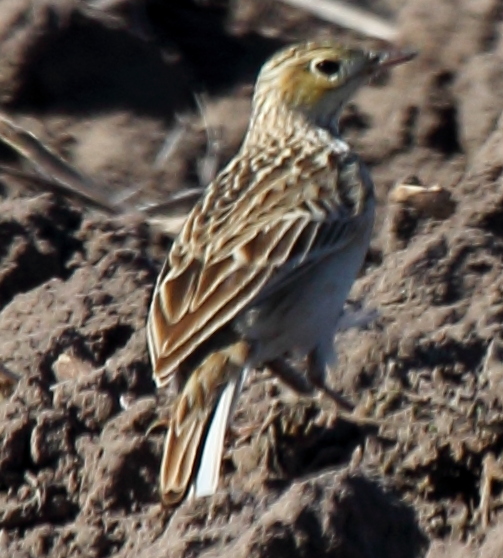
Citrine Wagtail
Motacilla citrina
Order: Passeriformes / Family: Motacillidae

Wikimedia Commons
About the Citrine Wagtail
The Citrine Wagtail (Motacilla citrina) is a strikingly beautiful bird known for its vibrant yellow plumage and characteristic tail-wagging behavior. This medium-sized passerine belongs to the family Motacillidae and is particularly associated with wetland habitats across central, southern, and eastern Asia. It is a migratory species, traveling significant distances between its breeding and wintering grounds. During the breeding season, Citrine Wagtails inhabit open marshes, flooded meadows, and the edges of freshwater bodies. These areas provide abundant food and suitable nesting sites. After the breeding season, they migrate to warmer regions across the Indian subcontinent and Southeast Asia, where they occupy similar wetland habitats.
The significance of the Citrine Wagtail extends beyond its aesthetic appeal. As an insectivorous bird, it plays a crucial role in controlling insect populations, particularly in agricultural areas where it can help manage pest species. Observations indicate that the Citrine Wagtail often associates with grazing livestock, taking advantage of the insects disturbed by their movements. This behavior underscores the bird's adaptability and its role in various ecological communities.
The Citrine Wagtail's preference for wetland habitats highlights its ecological importance in these fragile ecosystems. Wetlands are among the most productive ecosystems on the planet, providing essential services such as water filtration, flood control, and carbon storage. By inhabiting these areas, the Citrine Wagtail contributes to the ecological balance, aiding in seed dispersal and nutrient cycling. During the breeding season, this species is particularly active, with individuals displaying territorial behaviors and engaging in courtship displays that are both captivating and vital for reproductive success. As a result, the Citrine Wagtail serves as both a critical component of its ecosystem and a species of interest for ornithologists and birdwatchers alike.
The Citrine Wagtail belongs to the family Motacillidae, within the order Passeriformes. These birds typically live average 3-5 years, with a maximum recorded of 7 years..
How to Identify a Citrine Wagtail
Identifying the Citrine Wagtail in the field involves observing several distinct features. Adult males in breeding plumage are characterized by their bright yellow heads and underparts, which contrast sharply with their gray wings and back. Their black tail, edged with white, is another key feature, particularly when observed in flight. Females and non-breeding males exhibit a paler yellow coloration and may have more subdued gray on their backs. Juveniles often appear more brownish with less pronounced yellow, which can lead to confusion with other wagtail species.
The Citrine Wagtail's behavior provides additional identification cues. Known for their constant tail-wagging, these birds frequently bob their tails up and down, a trait shared with other species in the Motacillidae family. In flight, their undulating pattern and long tail are visible identifiers. When perched, they maintain an upright posture that accentuates their slender body and elongated tail. Although they are sociable during migration and in winter, displaying a preference for group foraging, they are fiercely territorial during the breeding season.
Comparisons with similar species can aid in identification. The Yellow Wagtail, another common species, shares the yellow coloration but typically has a more olive back and lacks the distinctive black head markings of the breeding male Citrine Wagtail. A careful examination of these field marks will help birdwatchers distinguish the Citrine Wagtail from its close relatives.
Having trouble telling birds apart? Upload a photo to our bird identification tool for an instant species match.
Citrine Wagtail Habitat and Range
Preferred Habitat
The Citrine Wagtail predominantly inhabits wetland environments, favoring marshes, riverbanks, and the edges of lakes and ponds. These habitats provide the bird with ample food resources and nesting sites. The species prefers lowland areas but can be found at elevations up to 2,500 meters during migration. During the breeding season, these wagtails are often found in open, grassy areas near water, which offer both nesting sites and foraging opportunities.
In winter, the Citrine Wagtail shifts to similar habitats in warmer regions, including the Indian subcontinent and Southeast Asia. Here, they frequent rice paddies, irrigation ditches, and other human-altered landscapes that mimic their natural wetland environments. This adaptability to both natural and modified habitats allows the Citrine Wagtail to thrive in diverse settings. While primarily rural, these wagtails occasionally venture into urban areas, especially where green spaces or water bodies are present, demonstrating their flexibility in habitat use.
Geographic Range
The breeding range of the Citrine Wagtail extends across central and eastern Asia, including regions in Kazakhstan, Mongolia, and parts of China. These areas provide the open wetlands required for nesting and feeding. During the winter months, the species migrates south to the Indian subcontinent, including India, Bangladesh, and Sri Lanka, as well as Southeast Asia, where it occupies similar wetland habitats.
Migration corridors are well-defined, with the birds traveling through regions such as the Himalayas and the Indo-Gangetic Plain. The Citrine Wagtail exhibits a relatively dense population in these migratory pathways, where stopover habitats are crucial for resting and refueling. Although not as widespread as some other wagtail species, the Citrine Wagtail is a common sight within its range, particularly in areas where suitable wetland habitats are protected and maintained.
Population density varies, with higher concentrations observed in central Asian countries during the breeding season and in the Indian subcontinent during winter. Detailed surveys and monitoring efforts continue to clarify the range and distribution patterns of this striking species.
Want to know which birds visit your area? Browse our backyard birds by location guides for region-specific species lists.
What Does the Citrine Wagtail Eat?
The Citrine Wagtail primarily feeds on insects and other small invertebrates, making it an effective insectivore within its ecosystem. Its diet includes aquatic insects, beetles, flies, and caterpillars, which it captures by foraging along the edges of water bodies and in grassy fields. Insects disturbed by grazing livestock also attract these wagtails, providing an opportunistic feeding ground.
During the breeding season, the demand for high-protein food sources increases, as adults require additional energy for mating and nesting activities. In winter, while insects remain the primary food source, the Citrine Wagtail may supplement its diet with seeds and small aquatic organisms, adjusting to the availability of food in its environment.
The species employs a variety of foraging techniques, including gleaning from vegetation, ground probing, and aerial sallying to catch flying insects. Typically, it feeds throughout the day, with peak activity observed during the early morning and late afternoon. The Citrine Wagtail's active foraging behavior and dietary flexibility underscore its adaptability to different habitats and seasonal changes.
Citrine Wagtail Behavior and Social Structure
Citrine Wagtails exhibit a complex array of behaviors that reflect their social and ecological adaptations. During the breeding season, these birds are territorial, with males often engaging in elaborate displays to defend their chosen areas. Such displays may include singing, tail wagging, and aerial acrobatics, all intended to deter competitors and attract mates.
Courtship involves a series of intricate displays, where males pursue females with fluttering flights and vocal calls. Once paired, the birds exhibit strong monogamous bonds, collaborating in nest building and chick rearing. Outside of the breeding season, Citrine Wagtails become more gregarious, forming loose flocks that forage together during migration and wintering periods. These flocks may include other wagtail species, highlighting the bird's sociable nature.
In response to predators, Citrine Wagtails employ a variety of strategies. They often rely on their agility and flight speed to evade threats, while also using alarm calls to warn conspecifics of danger. Their daily activity patterns include periods of intense foraging interspersed with rest, particularly during the hottest parts of the day. This balance of activity and rest allows the Citrine Wagtail to maintain its energy levels throughout the year.
Citrine Wagtail Nesting and Reproduction
Citrine Wagtails construct cup-shaped nests using grasses, moss, and feathers, often placing them on the ground or in low shrubs near water. These locations offer both concealment from predators and easy access to food resources. The clutch typically consists of 4-6 eggs, which are pale and speckled for camouflage.
Both parents participate in the incubation process, which lasts approximately 12-14 days. After hatching, the chicks remain in the nest for another 12-15 days, during which both parents share responsibilities for feeding and protecting the young. This biparental care ensures high survival rates for the offspring.
The Citrine Wagtail usually raises one brood per year, though in favorable conditions, a second brood may occur. This flexibility in breeding frequency allows the species to maximize its reproductive output in response to environmental conditions. Nesting success depends on a variety of factors, including habitat quality, predation pressure, and food availability.
Citrine Wagtail Sounds and Vocalizations
The primary song of the Citrine Wagtail is a series of high-pitched, twittering notes delivered in rapid succession. These vocalizations carry over long distances, aiding in territory establishment and mate attraction. The song, while not as melodious as some other songbirds, is distinctive within its range.
In addition to their song, Citrine Wagtails produce various call notes, including sharp 'chit' and 'tsip' sounds used for communication between individuals. Alarm calls are more strident and are employed to alert fellow wagtails of potential dangers. During the dawn chorus, males are particularly vocal, using their song to assert dominance and attract mates in the early morning light.
The vocal repertoire of the Citrine Wagtail, while not extensive, is sufficient for its ecological and social needs, allowing it to effectively navigate its environment and interact with conspecifics.
Interesting Facts About the Citrine Wagtail
- 1The Citrine Wagtail is one of the few bird species that can thrive in both natural and human-modified wetland habitats.
- 2During migration, the Citrine Wagtail may travel over 2,000 kilometers between its breeding and wintering grounds.
- 3In some regions, the Citrine Wagtail's arrival is considered a herald of spring due to its vibrant appearance and active behavior.
- 4The species exhibits notable sexual dimorphism, with males showcasing brighter plumage than females, especially during the breeding season.
- 5Citrine Wagtails are known to form mixed-species flocks with other wagtails, which can enhance foraging efficiency and predator detection.
- 6The continuous tail-wagging behavior of Citrine Wagtails is believed to aid in communication and balance, as well as in flushing out prey.
- 7Citrine Wagtail nests are often well-concealed, making them less susceptible to predation compared to more exposed nests.
Citrine Wagtail Conservation Status
The International Union for Conservation of Nature (IUCN) currently lists the Citrine Wagtail as a species of Least Concern, indicating a stable population trend. However, ongoing threats, such as habitat destruction and climate change, could impact its populations in the future. Wetland drainage for agriculture and urban development poses a significant threat to their breeding and wintering habitats. Conservation efforts focus on preserving these critical wetland ecosystems and implementing sustainable land-use practices. Historically, the Citrine Wagtail has maintained a relatively stable population, thanks in part to its adaptability to various habitats. Continued monitoring and protection of its habitats will be essential in ensuring the long-term viability of this species. Collaborative international conservation programs also play a vital role in safeguarding the wetlands that support the Citrine Wagtail's life cycle.