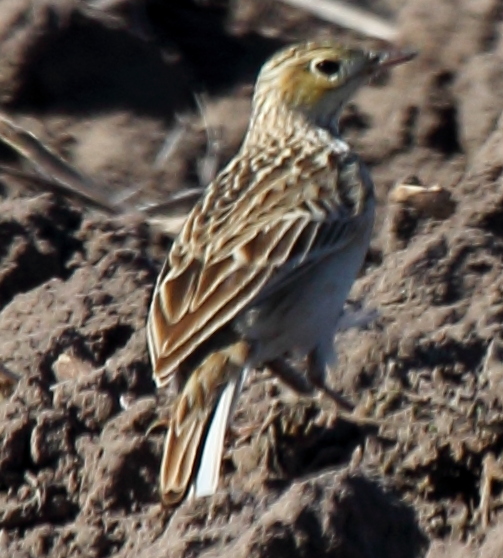
Blue-headed Wagtail
Motacilla cyanea
Order: Passeriformes / Family: Motacillidae

Wikimedia Commons
About the Blue-headed Wagtail
The Blue-headed Wagtail, scientifically known as Motacilla cyanea, is a small passerine bird belonging to the family Motacillidae. This bird is notable for its adaptability to various wetland environments, which range from riverbanks to marshes. It is a migratory species, breeding in northern Europe and parts of Asia before wintering in Africa and Southeast Asia. The Blue-headed Wagtail plays a critical role in controlling insect populations, as it predominantly feeds on small invertebrates. Its presence in diverse ecosystems highlights its ecological importance as both a prey and predator. Typically, the Blue-headed Wagtail breeds in the northern regions such as Sweden, Norway, and Finland, where it takes advantage of the long daylight hours during the breeding season. During this time, the bird engages in intricate courtship displays that involve tail wagging and aerial acrobatics, which are mesmerizing to witness. In the winter months, it migrates southward, with significant populations found in India, Pakistan, and parts of sub-Saharan Africa. The Blue-headed Wagtail's adaptability is further evidenced by its ability to thrive in both rural and urban settings, although it prefers the former. This adaptability ensures the species' resilience to some degree of habitat modification. Its seasonal behavior is marked by distinct migratory patterns, with large flocks forming during migration periods. These flocks are often seen flying in loose formations, a spectacle that underscores the bird's social nature. The Blue-headed Wagtail not only contributes to the biodiversity of its habitats but also serves as an indicator species for environmental changes, particularly in wetland regions. Its sensitivity to habitat degradation makes it an important species for conservationists to monitor. Efforts to preserve wetlands across its range are crucial for ensuring the continued survival and prosperity of this vibrant bird species.
The Blue-headed Wagtail belongs to the family Motacillidae, within the order Passeriformes. These birds typically live average 3-5 years, with a maximum recorded of 7 years..
How to Identify a Blue-headed Wagtail
The Blue-headed Wagtail is easily identifiable by its vibrant blue head, which contrasts sharply with its yellow underparts. Adult males typically exhibit the brightest colors, with a distinctive white wing bar that is visible in flight. Females and juveniles tend to have duller plumage, with a more olive or brownish tinge to their heads and less pronounced blue coloring. The bird's slender body and long tail are characteristic of the wagtail family, with its tail often seen wagging vigorously as it walks along the ground. In terms of size, the Blue-headed Wagtail measures about 15 to 16 centimeters in length, with a wingspan ranging from 25 to 30 centimeters. When perched, it maintains a horizontal posture, which, along with its constant tail movement, helps distinguish it from other small passerines. It is often confused with the Yellow Wagtail, another member of the Motacilla genus, but the Blue-headed's distinctively colored head is a reliable distinguishing feature. During flight, the Blue-headed Wagtail displays a rapid, undulating flight pattern, often accompanied by its characteristic call. Its silhouette in flight shows a pointed tail and long wings, which aid in its agile movements. Observers in the field can also distinguish this wagtail by its unique perching behavior, often favoring open, exposed perches close to water.
Having trouble telling birds apart? Upload a photo to our bird identification tool for an instant species match.
Blue-headed Wagtail Habitat and Range
Preferred Habitat
The Blue-headed Wagtail primarily inhabits open wetland areas such as marshes, riverbanks, and lakeshores. It thrives in lowland regions where water is abundant, and the availability of insects is high. During the breeding season, it prefers wetter habitats with plenty of ground cover to conceal its nest. Elevation-wise, it typically resides in areas up to 1,500 meters above sea level, though it is most commonly found in flat, open landscapes. In contrast to many other passerines, the Blue-headed Wagtail is well adapted to agricultural areas, particularly rice fields, where its presence helps control pest populations. Despite its preference for rural environments, it can often be spotted in urban parks and gardens, especially during migration when it may seek refuge in any available green space. Seasonal habitat shifts are pronounced, with the bird moving to less densely vegetated areas during migration. Its presence in urban areas is generally transient, linked to migration or dispersal.
Geographic Range
The Blue-headed Wagtail breeds across a broad swath of northern and central Europe, extending into parts of Russia and the northern reaches of Asia. Key breeding countries include Sweden, Norway, Finland, and Russia. Come autumn, the bird embarks on a long migration to wintering grounds that span across Africa and parts of southern Asia. In Africa, it is commonly found in regions south of the Sahara, including countries like Nigeria, Kenya, and Ethiopia. In Asia, significant wintering populations occur in India, Pakistan, and Bangladesh. Migration corridors often follow major river systems and coasts, providing the bird with ample opportunities for rest and feeding. During migration, the Blue-headed Wagtail passes through countries like France, Germany, and Italy, where it is occasionally spotted in large flocks. Population density tends to be highest in these stopover sites, as the birds congregate before undertaking the next leg of their journey.
Want to know which birds visit your area? Browse our backyard birds by location guides for region-specific species lists.
What Does the Blue-headed Wagtail Eat?
The Blue-headed Wagtail primarily feeds on a diet of insects, which it actively hunts along the ground. Common prey includes small beetles, flies, and caterpillars, which it catches with quick, precise movements. During the breeding season, the bird's diet shifts to include more aquatic insects, which are abundant in its wetland habitats. Its foraging technique is characteristic of the wagtail family, involving a series of rapid, darting movements as it pursues prey. In addition to insects, the Blue-headed Wagtail occasionally consumes seeds and small fruits, particularly when insect availability is low. The bird typically feeds during daylight hours, with peak activity occurring in the early morning and late afternoon when insect activity is highest. In wintering areas, its diet diversifies further, incorporating a variety of invertebrates found in agricultural fields and open grasslands. Prey size generally remains small, ensuring the bird can easily digest its meals.
Blue-headed Wagtail Behavior and Social Structure
The Blue-headed Wagtail exhibits a social and active nature, often seen in small flocks during migration and winter. These flocks can number in the hundreds, providing safety in numbers and facilitating feeding. Territorial during the breeding season, males establish and defend territories through song and displays. Courtship involves elaborate displays, with males performing aerial maneuvers and tail wagging to attract females. Once paired, they remain monogamous throughout the breeding season. Predators such as hawks and cats pose threats, prompting the wagtail to issue sharp alarm calls to alert others. Daily activity patterns include periods of intensive feeding interspersed with rest and preening. The bird is diurnal, becoming most active at dawn and dusk. During these times, it may also engage in communal roosting, particularly in dense reed beds or shrubs, which offer protection from nocturnal predators.
Blue-headed Wagtail Nesting and Reproduction
The Blue-headed Wagtail constructs its nest on the ground, typically concealed in dense vegetation near water. The nest, a cup-shaped structure, is made from grasses, leaves, and moss, lined with softer materials such as feathers and wool. Breeding pairs exhibit site fidelity, often returning to the same nesting area each year. Clutch size ranges from four to six eggs, which are pale with brown speckles. The female primarily incubates the eggs over a period of 11 to 13 days, while the male assists by providing food. After hatching, both parents feed the chicks, which fledge approximately 12 to 14 days after hatching. The species is known to raise one to two broods per year, depending on environmental conditions. Parental care extends beyond fledging, with adults continuing to feed and protect their young until they are fully independent.
Blue-headed Wagtail Sounds and Vocalizations
The Blue-headed Wagtail's song is a series of high-pitched, melodious notes delivered in rapid succession. The rhythm is brisk, with a quality that resembles the tinkling of small bells. Calls comprise sharp 'tsip' notes, used to maintain contact with flock members or alert others to danger. Alarm calls are harsher and more insistent, serving as a warning to potential threats. During the dawn chorus, the wagtail's song contributes to the symphony of sounds in its habitat, blending seamlessly with the calls of other wetland birds. The song’s clarity and repetition make it a familiar sound in the breeding territories.
Interesting Facts About the Blue-headed Wagtail
- 1The Blue-headed Wagtail can travel over 3,000 kilometers during its migratory journey from breeding to wintering grounds.
- 2In some parts of its range, the Blue-headed Wagtail shares habitats with the more common Yellow Wagtail, leading to hybridization.
- 3During migration, the Blue-headed Wagtail often forms mixed-species flocks with other small insectivores, enhancing foraging efficiency.
- 4The species' adaptability allows it to exploit man-made environments, such as rice paddies, where it helps control pest populations.
- 5Blue-headed Wagtails have been observed using urban green spaces during migration, demonstrating their resilience to habitat changes.
- 6The bird’s name stems from its distinctive blue head, which is more pronounced in males during the breeding season.
- 7Despite its small size, the Blue-headed Wagtail exhibits strong territorial behavior, especially during the breeding season.
Blue-headed Wagtail Conservation Status
The Blue-headed Wagtail is currently listed as Least Concern by the IUCN, with a stable population trend. However, habitat loss due to wetland drainage and agricultural expansion poses a threat to certain populations. Conservation efforts focus on protecting and restoring wetland habitats, which are crucial for the bird's breeding and feeding. Historical population fluctuations have been linked to changes in land use and climate conditions. Monitoring programs in key regions aim to track population changes and assess the impact of conservation initiatives. Collaborative efforts between countries along its migratory route are essential for maintaining habitat connectivity.