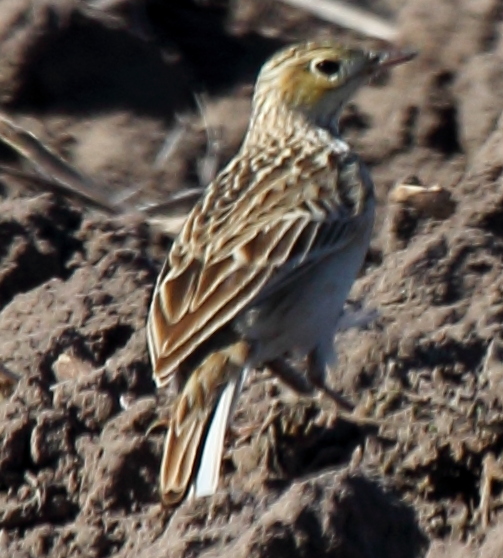
Grey Wagtail
Motacilla emeria
Order: Passeriformes / Family: Motacillidae

Wikimedia Commons
About the Grey Wagtail
The Grey Wagtail (Motacilla cinerea) is an elegant bird that captivates birdwatchers with its distinctive long tail and remarkable agility. This species thrives in a variety of aquatic environments, but it shows a strong preference for fast-flowing streams and rivers. It is commonly found across Europe, parts of Asia, and North Africa, demonstrating adaptability to various climates and landscapes. During the breeding season, which extends from April to July, the Grey Wagtail becomes particularly active, showcasing aerial acrobatics as it hunts for insects. These birds play a crucial ecological role as biocontrol agents, consuming large quantities of aquatic and terrestrial insects. This behavior not only helps control insect populations but also supports the health of aquatic ecosystems by reducing the prevalence of pests. In winter, Grey Wagtails may migrate to milder coastal regions, where they continue their insectivorous habits. Their presence near urban water bodies highlights their adaptability, as they capitalize on available resources. The Grey Wagtail’s preference for pristine water sources makes it an essential indicator species for environmental health, alerting conservationists to changes in water quality and biodiversity. Their interactions with their habitats are complex and multifaceted, influencing both terrestrial and aquatic ecosystems.
The Grey Wagtail belongs to the family Motacillidae, within the order Passeriformes. These birds typically live average 4 years, with a maximum recorded of 7 years..
How to Identify a Grey Wagtail
The Grey Wagtail boasts a slender frame, approximately 18-20 cm in length, with a wingspan of about 25-30 cm. Its most recognizable feature is the long, constantly wagging tail, which is longer relative to its body than those of other wagtails. Adult Grey Wagtails display a striking combination of colors, with a slate-gray back and wings contrasting sharply with bright yellow underparts. The face features a white supercilium above the eye, providing a distinctive facial pattern. Males in breeding plumage exhibit a black bib on the throat, which is absent in females and juveniles. Juveniles are generally duller, with more muted yellow tones and less defined plumage patterns. In flight, the bird's undulating flight pattern and long tail are key identification features. When perched, the Grey Wagtail often bobs its tail up and down, a characteristic behavior that helps differentiate it from similar species like the Yellow Wagtail or the Pied Wagtail. Both sexes have similar flight silhouettes, characterized by their slender bodies, long tails, and swift, darting flight patterns.
Having trouble telling birds apart? Upload a photo to our bird identification tool for an instant species match.
Grey Wagtail Habitat and Range
Preferred Habitat
Grey Wagtails favor habitats near freshwater sources, including streams, rivers, and lakes, where they can forage for insects. They prefer elevations ranging from lowland rivers to montane streams, often above 2000 meters in mountainous regions. During the breeding season, they utilize areas with clear, fast-flowing water, which supports their insect prey. In winter, they may shift to coastal regions, urban parks, and gardens, where milder conditions prevail and food sources remain adequate. While they are more commonly associated with rural and natural settings, their adaptability allows them to thrive in urban areas, especially where water bodies are present.
Geographic Range
The Grey Wagtail breeds across much of Europe and extends into Asia, reaching as far as the Himalayas and Japan. Their breeding range also includes North Africa, where populations inhabit coastal and mountain regions. During winter, they migrate southward to North Africa, the Middle East, and parts of South Asia, following established migration corridors. Key population centers include the British Isles, the Iberian Peninsula, and the Balkans, where they are relatively common. Their migratory behavior varies, with some populations in the milder regions of Western Europe remaining resident year-round.
Want to know which birds visit your area? Browse our backyard birds by location guides for region-specific species lists.
What Does the Grey Wagtail Eat?
Grey Wagtails primarily feed on insects, including mayflies, caddisflies, and midges, which they catch with remarkable agility along riverbanks and over water surfaces. During the summer months, their diet comprises mainly aquatic insects, reflecting their close association with water bodies. In autumn and winter, as insect availability decreases, they expand their diet to include small terrestrial invertebrates and occasionally seeds. Their foraging technique involves darting flights, picking prey off surfaces, and occasionally hovering to capture insects in mid-air. They typically feed throughout the day, taking advantage of peak insect activity during warmer hours.
Grey Wagtail Behavior and Social Structure
Grey Wagtails are generally solitary or found in pairs during the breeding season, becoming more sociable in winter. Territorial during breeding, males perform aerial displays to court females and deter rivals, featuring swift, acrobatic flights and vocal displays. They exhibit a strong site fidelity, often returning to the same territories annually. In response to predators, Grey Wagtails rely on agility and camouflage, using their environment to evade threats. Daily activity peaks during morning and late afternoon, coinciding with insect activity. They are known for their characteristic tail-wagging behavior, a likely signal to predators of their alertness and ability to evade capture.
Grey Wagtail Nesting and Reproduction
Grey Wagtails build cup-shaped nests using moss, grass, and leaves, often lined with feathers or hair. They prefer secluded locations near water, such as riverbanks, crevices in rocks, or under bridges. Clutch size typically ranges from four to six eggs, which are incubated by the female for about 12-14 days. Both parents participate in feeding the chicks, which fledge approximately 14-15 days after hatching. The species generally raises two broods per year, with a possible third in favorable conditions. Parental roles are shared, ensuring high survival rates for the offspring.
Grey Wagtail Sounds and Vocalizations
The Grey Wagtail's song is a series of high-pitched, rapid trills and tweets that cascade melodiously, often delivered during flight or from an elevated perch. Their call notes include sharp, metallic 'tsip' sounds used for communication between mates and to signal alarm. During dawn chorus, their songs contribute to the vibrant symphony of avian sounds, particularly in breeding territories. Compared to other wagtail species, their vocalizations are more musical and less repetitive, providing a distinctive aural signature.
Interesting Facts About the Grey Wagtail
- 1The Grey Wagtail's tail is longer in proportion to its body than any other European wagtail species.
- 2During breeding season, male Grey Wagtails exhibit a striking black throat patch to attract females.
- 3Grey Wagtails can often be found in urban areas, particularly near fountains or constructed waterways.
- 4These birds are excellent indicators of water quality due to their reliance on clean, fast-flowing streams.
- 5In Asian cultures, the Grey Wagtail is sometimes considered a symbol of good fortune and prosperity.
Grey Wagtail Conservation Status
Currently listed as Least Concern by the IUCN, the Grey Wagtail population remains stable overall. However, localized declines have occurred due to habitat loss, pollution, and hydrological changes affecting their aquatic habitats. Conservation efforts focus on safeguarding clean water bodies and preserving natural riverbanks. In some regions, reforestation and habitat restoration projects aim to provide suitable nesting and foraging environments. Monitoring programs help track population trends, ensuring early intervention if threats escalate.