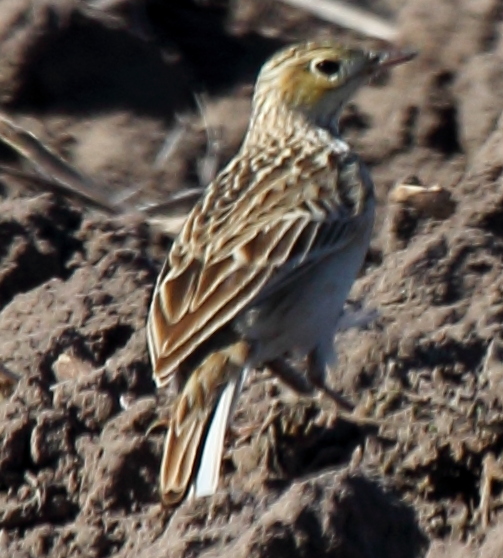
Swallow-tailed Wagtail
Motacilla hirundinacea
Order: Passeriformes / Family: Motacillidae
About the Swallow-tailed Wagtail
The Swallow-tailed Wagtail (Motacilla hirundinacea) belongs to the family Motacillidae and is a remarkable species notable for its elegant appearance and dynamic behavior. This small passerine bird is renowned for its deeply forked tail and contrasting plumage, which aids in its identification. Found predominantly across diverse landscapes in Europe and parts of Asia, the Swallow-tailed Wagtail thrives in a variety of habitats, ranging from open fields and meadows to riverbanks and marshlands. Its presence is most prominent in the temperate zones where it breeds, taking advantage of the abundant insect life during the warmer months.
The ecological role of the Swallow-tailed Wagtail is significant, as it acts as a key insectivore, helping control the populations of various insects, including agricultural pests. Its diet shifts with the seasons, reflecting the availability of different prey items, thereby playing an essential role in maintaining ecological balance. During the breeding season, typically from April to August, these birds are highly active, engaging in intricate aerial displays and vocalizations to attract mates and defend territories.
Seasonal migration is a critical aspect of the Swallow-tailed Wagtail's life cycle. As temperatures drop and food resources become scarce, these birds embark on long migrations to milder climates in southern Europe and northern Africa. This journey is a testament to their resilience and adaptability, as they navigate vast distances and varied landscapes. The Swallow-tailed Wagtail's presence in these wintering grounds ensures its survival during the colder months, allowing it to return to its breeding territories when conditions improve.
The Swallow-tailed Wagtail belongs to the family Motacillidae, within the order Passeriformes. These birds typically live 5-7 years with a maximum recorded of 10 years.
How to Identify a Swallow-tailed Wagtail
The Swallow-tailed Wagtail is easily recognizable by its long, deeply forked tail, which it flicks energetically as it moves. The adult plumage features a combination of vibrant yellow on the underparts and contrasting gray on the back, with a distinctive black cap and white facial markings. Juvenile birds tend to be duller, lacking the pronounced black cap, and display a more muted brownish-gray coloration on their upperparts.
Male and female Swallow-tailed Wagtails exhibit slight differences, with males typically showing more vibrant coloration and sharper contrast between the black cap and yellow underparts. However, these differences can be subtle and require careful observation, especially during non-breeding seasons when plumage may become worn. In flight, the wagtail's silhouette is unmistakable, with its long tail streamers creating a graceful, swallow-like outline.
Confusion with similar species, such as the Yellow Wagtail (Motacilla flava), is possible, particularly in overlapping habitats. However, the Swallow-tailed Wagtail's distinctive tail shape and specific color patterns help differentiate it from other wagtail species. When perched, its upright posture and frequent tail movements further aid in identification.
Having trouble telling birds apart? Upload a photo to our bird identification tool for an instant species match.
Swallow-tailed Wagtail Habitat and Range
Preferred Habitat
The Swallow-tailed Wagtail inhabits open landscapes, favoring areas with ample access to water such as riverbanks, wetlands, and irrigated fields. It thrives in grasslands and meadows, where it can easily forage for insects. In rural settings, it is often observed along farmland and pastures, taking advantage of the rich insect life in these areas.
This species is adaptable to various elevations, typically found from sea level up to 2,000 meters. Seasonal habitat shifts occur as the wagtail moves to warmer southern regions during migration, where it frequents similar open habitats. While primarily associated with rural environments, the Swallow-tailed Wagtail occasionally ventures into urban parks and gardens, particularly during migration stopovers.
Geographic Range
The breeding range of the Swallow-tailed Wagtail covers large parts of Europe, extending eastwards into western Asia. Populations are densest in Central and Eastern Europe, particularly in countries like Germany, Poland, and Russia. During the breeding season, they are widely distributed across these regions, where suitable habitats are available.
Come autumn, these birds embark on a migration to southern Europe and northern Africa, utilizing well-established corridors through the Mediterranean and the Middle East. Key wintering locations include the Iberian Peninsula, Morocco, and parts of the Mediterranean coast. In these areas, Swallow-tailed Wagtails take advantage of milder climates and abundant food resources to survive the winter months.
Population densities tend to be highest in agricultural landscapes where insect prey is abundant. As migratory birds, they are subject to fluctuations in population distribution, influenced by factors such as climate change and habitat availability.
Want to know which birds visit your area? Browse our backyard birds by location guides for region-specific species lists.
What Does the Swallow-tailed Wagtail Eat?
The diet of the Swallow-tailed Wagtail primarily consists of insects, which it captures through agile foraging techniques. This bird is adept at catching flying insects mid-air, often performing impressive aerial maneuvers to secure its prey. Ground insects, such as beetles and ants, also form a significant part of its diet.
During the breeding season, the availability of insects increases, allowing the wagtail to feed its young a protein-rich diet essential for growth and development. In colder months, as insect populations decline, the Swallow-tailed Wagtail adapts by feeding on small invertebrates and occasionally seeds, though it remains predominantly insectivorous.
This wagtail employs a versatile foraging schedule, often observed hunting from dawn until dusk. Its preference for areas near water bodies enhances its access to diverse insect prey, ensuring a steady food supply throughout the year.
Swallow-tailed Wagtail Behavior and Social Structure
The Swallow-tailed Wagtail exhibits a diverse range of behaviors, driven by its social structure and environmental interactions. This species is generally solitary or found in pairs during the breeding season, fiercely defending territories against intruders. Courtship involves elaborate displays, where males showcase their agility and vocal prowess to attract females.
Outside of the breeding season, Swallow-tailed Wagtails may form small flocks, particularly during migration and wintering periods. Flocking provides safety in numbers, helping these birds evade predators and locate food more efficiently. Their response to predators involves swift, erratic flight patterns, utilizing their agility to escape threats.
Daily activity patterns are diurnal, with peak activity levels observed in the early morning and late afternoon. The Swallow-tailed Wagtail is known for its characteristic tail-flicking behavior, which serves as a means of communication with other wagtails and potentially deters predators.
Swallow-tailed Wagtail Nesting and Reproduction
Swallow-tailed Wagtails construct cup-shaped nests, typically composed of grasses, leaves, and fine roots, often lined with softer materials such as feathers or animal hair. These nests are strategically placed in sheltered locations, including low bushes, tall grasses, or man-made structures like bridges and walls.
The female lays a clutch of 4 to 6 eggs, which are incubated for approximately 12 to 14 days. Both parents share incubation duties, although the female takes a more significant role. Once hatched, the chicks are fed by both parents and fledge about 13 to 15 days post-hatching. The Swallow-tailed Wagtail may raise one or two broods per year, depending on environmental conditions and food availability.
Swallow-tailed Wagtail Sounds and Vocalizations
The primary song of the Swallow-tailed Wagtail is a series of rapid, high-pitched notes, often described as a melodious twittering. This song is frequently delivered during flight displays or while perched conspicuously. Call notes are sharp and metallic, serving as communication between individuals.
Alarm calls are more urgent, characterized by a rapid series of harsh notes, alerting other wagtails to potential threats. During the dawn chorus, the Swallow-tailed Wagtail's song contributes to the symphony of bird calls, often standing out due to its clarity and rhythm.
Interesting Facts About the Swallow-tailed Wagtail
- 1The Swallow-tailed Wagtail's tail is not only for show; it aids in its agile flight, helping it make sharp turns while chasing insects.
- 2Despite its small size, the Swallow-tailed Wagtail undertakes migrations of over 3,000 kilometers between breeding and wintering grounds.
- 3Research indicates that the Swallow-tailed Wagtail prefers nesting sites near water, which provides a reliable food source for its young.
- 4In some parts of its range, the Swallow-tailed Wagtail is known to hybridize with the Yellow Wagtail, producing viable offspring.
- 5The Swallow-tailed Wagtail's call is often mistaken for that of the White Wagtail, but its unique tail movements help differentiate it.
- 6This wagtail species is known to adapt well to human-altered landscapes, often seen foraging in urban parks and gardens.
- 7The Swallow-tailed Wagtail's scientific name, Motacilla hirundinacea, refers to its swallow-like tail morphology.
Swallow-tailed Wagtail Conservation Status
The Swallow-tailed Wagtail is currently classified as Least Concern by the IUCN, with stable population trends observed across its range. However, habitat loss due to agricultural intensification and urbanization poses a potential threat to its populations. Conservation efforts focus on preserving and restoring natural habitats, particularly wetlands and grasslands that support its breeding and foraging needs. Historical population changes have been influenced by shifts in land use and climate change, which affect the availability of suitable habitats. Continued monitoring and habitat management are crucial to ensuring the long-term survival of this species.