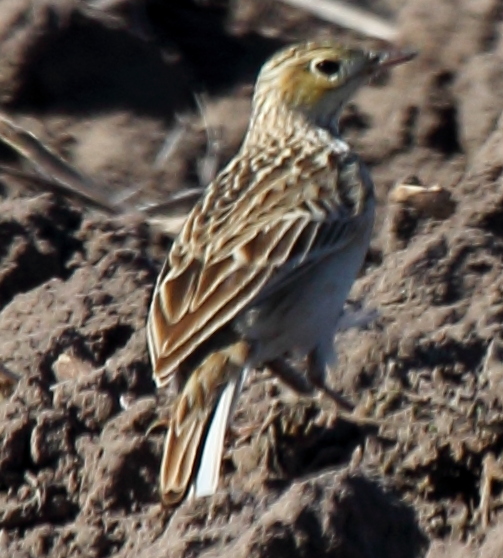
Dusky Wagtail
Motacilla humata
Order: Passeriformes / Family: Motacillidae
About the Dusky Wagtail
The Dusky Wagtail, known scientifically as Motacilla humata, is a captivating member of the family Motacillidae. This bird is primarily found across parts of eastern Asia, notably in regions such as China, Japan, and Korea. It typically inhabits open landscapes, favoring riverbanks, wetlands, and agricultural fields where its insectivorous diet can be easily satisfied. With its characteristic wagging tail, the Dusky Wagtail plays an essential role in the ecosystem as a predator of various insect species, contributing to pest control. Its seasonal movements are quite fascinating, as it migrates to southern regions during the colder months, returning to its breeding grounds with the arrival of spring.
The ecological significance of the Dusky Wagtail cannot be understated, as it aids in maintaining the balance of insect populations. By foraging on the ground and in shallow water, this bird inadvertently helps to manage pest populations that could otherwise impact agricultural productivity. Furthermore, the presence of the Dusky Wagtail in a given habitat often indicates a healthy ecosystem, as it requires clean water sources and ample feeding opportunities.
During the breeding season, the Dusky Wagtail displays complex behaviors, including courtship displays that involve both visual and acoustic signals. These displays are not only crucial for mate selection but also strengthen pair bonds. The male and female share responsibilities such as nest building and feeding their young, showcasing a degree of parental cooperation that is vital for the survival of their offspring. As a result, the Dusky Wagtail's breeding success is closely tied to the availability of suitable nesting sites and adequate food resources.
The Dusky Wagtail's adaptability allows it to thrive in diverse habitats, from rural farmlands to urban parks. This adaptability, however, does not render it immune to the threats posed by habitat destruction and pollution, which can significantly impact its population dynamics. Conservation efforts aimed at preserving wetland areas and ensuring clean water sources are essential for maintaining healthy populations of this engaging species.
The Dusky Wagtail belongs to the family Motacillidae, within the order Passeriformes. These birds typically live 4-6 years with a maximum recorded of 8 years.
How to Identify a Dusky Wagtail
The Dusky Wagtail exhibits a distinct slate-gray plumage with subtle variations between males and females. Adult males typically possess darker plumage with a slightly more pronounced blackish marking on the face, particularly around the eyes and lores. Females and juveniles often display a paler gray coloration with less distinct facial markings, which can help to differentiate them in the field. The bird's underparts are generally white or light gray, providing a striking contrast to the darker upperparts.
One of the most distinguishing features of the Dusky Wagtail is its long, slender tail, which it constantly wags up and down. This behavior is not only a key field mark but also serves as a useful identification tool in distinguishing it from similar wagtail species. In flight, the Dusky Wagtail exhibits a bouncing flight pattern, characterized by rapid wingbeats interspersed with short glides. This flight silhouette is complemented by its relatively long tail and narrow wings.
When perching, the Dusky Wagtail often selects elevated vantage points such as fence posts or low branches, where its characteristic wagging behavior is prominently displayed. This perching posture, combined with its distinctive tail movements, aids birders in identifying the species even in challenging viewing conditions. While there are several wagtail species, such as the White Wagtail, with which it might be confused, its darker, more subdued plumage and specific behaviors help to set it apart.
Having trouble telling birds apart? Upload a photo to our bird identification tool for an instant species match.
Dusky Wagtail Habitat and Range
Preferred Habitat
The Dusky Wagtail thrives in a variety of open habitats, predominantly those associated with water bodies. It is commonly found along riverbanks, in marshes, and around the edges of ponds and lakes. These environments provide the ideal conditions for its insectivorous diet, offering abundant prey and necessary nesting materials. In rural settings, the Dusky Wagtail is often observed foraging in agricultural fields, where it takes advantage of the open spaces and rich insect life.
Though primarily associated with natural wetlands, the Dusky Wagtail has adapted to urban environments, frequenting parks, gardens, and even roadside ditches where suitable feeding opportunities exist. Its presence in urban areas is often seasonal, with individuals migrating to more temperate regions during the winter months. In terms of elevation, the Dusky Wagtail is typically found in lowland areas but can be observed at moderate elevations in suitable environments.
Seasonal habitat shifts are a notable aspect of the Dusky Wagtail's ecology. During the breeding season, it seeks out territories with abundant water sources and open areas for foraging. In contrast, wintering sites offer milder climates and adequate feeding options, allowing the Dusky Wagtail to sustain itself until the return to its breeding grounds.
Geographic Range
The Dusky Wagtail's breeding range spans across eastern Asia, with significant populations in countries such as China, Japan, and Korea. Within this range, the bird occupies a variety of wetland habitats and agricultural landscapes where it can successfully raise its young. The breeding season sees the Dusky Wagtail concentrated in these regions, taking advantage of the abundant food resources and suitable nesting sites.
During winter, the Dusky Wagtail migrates southward, with individuals dispersing to parts of Southeast Asia. Countries like Vietnam, Thailand, and parts of southern China serve as important wintering grounds. These regions offer the milder climates and sufficient food resources necessary for the bird's survival during the colder months.
Migration corridors for the Dusky Wagtail are well-established, with birds following predictable routes along river valleys and coastal areas. These pathways are crucial for the species, providing stopover points where they can rest and refuel during their long journeys. Population density is highest in the breeding territories, with notable hotspots in the river deltas and wetland reserves of eastern China and Japan.
Want to know which birds visit your area? Browse our backyard birds by location guides for region-specific species lists.
What Does the Dusky Wagtail Eat?
The diet of the Dusky Wagtail primarily consists of insects, making it an important insectivore within its ecosystem. Its feeding strategy involves actively foraging on the ground and in shallow water, where it captures a variety of prey including beetles, flies, and aquatic invertebrates. This bird demonstrates remarkable agility as it pursues insects in flight, utilizing its speed and precision to capture even the most elusive prey.
Seasonal changes influence the Dusky Wagtail's diet, with a shift towards consuming more aquatic insects during the breeding season when water levels rise and these prey items become more abundant. In the winter months, the bird's diet may include a greater proportion of terrestrial insects and occasionally small seeds when insect availability declines.
The Dusky Wagtail typically feeds throughout the day, with peak activity occurring in the early morning and late afternoon when insect activity is at its highest. Its foraging technique often involves short sprints and sudden stops, with the bird using its keen eyesight to detect and capture prey. The size of prey consumed varies, with larger insects such as dragonflies and grasshoppers providing substantial nutrition during periods of high energy demand, such as courtship and nesting.
Dusky Wagtail Behavior and Social Structure
The Dusky Wagtail exhibits a range of behaviors that highlight its adaptability and ecological niche. Socially, this bird is often seen alone or in small family groups, particularly outside of the breeding season. During the breeding season, however, it becomes more territorial, with pairs defending their chosen nesting sites from intruders. Territorial disputes are typically resolved through displays and vocalizations rather than physical confrontations.
Courtship in the Dusky Wagtail involves elaborate displays, including aerial chases and fluttering flights accompanied by calls. These displays play a crucial role in pair formation and the reinforcement of pair bonds. Once a pair has formed, they work together to select a suitable nesting site and build the nest, demonstrating a high degree of cooperation.
In response to predators, the Dusky Wagtail employs a range of behaviors, from alarm calls to distract potential threats to utilizing cover and evasive flight patterns. Flocking behavior is more common outside the breeding season, providing safety in numbers as the birds forage across open landscapes. Daily activity patterns are largely diurnal, with the birds being most active during daylight hours.
Dusky Wagtail Nesting and Reproduction
The nesting habits of the Dusky Wagtail are characterized by the construction of open cup-shaped nests, typically built on the ground or in low vegetation. Preferred nesting sites are often located near water sources, such as riverbanks or the edges of wetlands, where food resources are abundant. The nest itself is made from a variety of materials, including grasses, moss, and other plant matter, lined with softer materials like feathers or animal hair to provide insulation and comfort for the eggs.
The typical clutch size for the Dusky Wagtail ranges from four to six eggs, which are incubated by both the male and female. The incubation period lasts approximately 12 to 14 days, during which time the parents take turns keeping the eggs warm and protected. Once the eggs hatch, the chicks remain in the nest for a further 12 to 15 days, receiving care and feeding from both parents until they are ready to fledge.
The number of broods per year can vary depending on environmental conditions and food availability, with most pairs raising one to two broods annually. Parental roles are well-defined, with both parents contributing to feeding and protecting the young. This shared responsibility is crucial for the survival of the offspring, ensuring that they receive adequate nutrition and protection during their vulnerable early stages of life.
Dusky Wagtail Sounds and Vocalizations
The primary song of the Dusky Wagtail is a series of high-pitched, melodious notes that are both rhythmic and clear. This song is often used during courtship displays and to establish territorial boundaries. It is typically delivered from a perch, allowing the sound to carry across the bird's habitat.
In addition to its song, the Dusky Wagtail produces a variety of call notes, including sharp 'tsip-tsip' calls that serve as contact calls between pairs or family groups. These calls are also used in alarm situations to alert others to the presence of potential predators. During the dawn chorus, the Dusky Wagtail's song is often one of the first to be heard, contributing to the vibrant soundscape of its habitat.
The bird's alarm calls are more abrupt and urgent, designed to startle predators and warn other wagtails of impending danger. These calls are particularly important during the breeding season, when the safety of the nest and young is paramount.
Interesting Facts About the Dusky Wagtail
- 1The Dusky Wagtail can wag its tail up to 60 times per minute, a behavior that may help flush insects into the open.
- 2Unlike many birds, the Dusky Wagtail often nests directly on the ground, relying on camouflage to protect its eggs.
- 3During migration, some Dusky Wagtails cover distances of over 3000 kilometers to reach their wintering grounds.
- 4The species' scientific name, Motacilla humata, reflects its characteristic tail-wagging behavior, with 'Motacilla' meaning 'little mover'.
- 5Dusky Wagtails are known to use their wagging tails as a communication tool, signaling to other wagtails in their vicinity.
- 6Despite their small size, Dusky Wagtails can have a lifespan of up to ten years in the wild, demonstrating significant resilience.
- 7Dusky Wagtails are capable of learning and mimicking the songs of other bird species, showcasing their vocal versatility.
Dusky Wagtail Conservation Status
According to the IUCN, the Dusky Wagtail is currently classified as a species of Least Concern, reflecting a stable population trend. Despite this status, it faces several localized threats that could impact its populations over time. Habitat destruction, particularly the drainage of wetlands and conversion of agricultural lands, poses a significant threat to its breeding and foraging habitats. Pollution, especially in water bodies, can also affect the Dusky Wagtail's food sources, reducing the availability of aquatic insects that form a critical part of its diet. Conservation efforts aimed at preserving wetland habitats and maintaining clean water sources are essential for the continued well-being of this species. Historically, the Dusky Wagtail has demonstrated resilience in the face of habitat change, aided by its ability to exploit a range of environments. Ongoing monitoring and targeted conservation initiatives will be key to ensuring the long-term survival of this adaptable and ecologically significant bird.