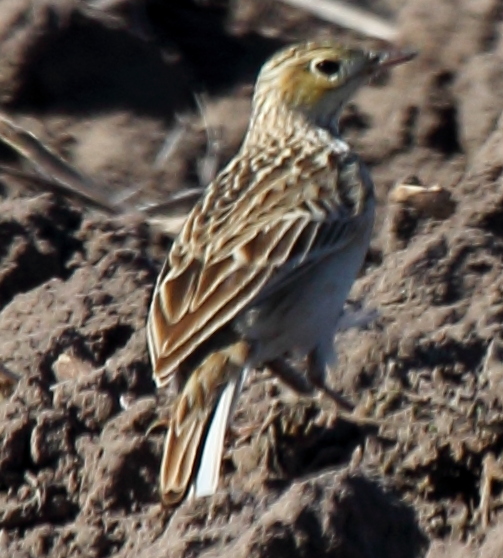
Philomel Wagtail
Motacilla philomela
Order: Passeriformes / Family: Motacillidae

Wikimedia Commons
About the Philomel Wagtail
The Philomel Wagtail (Motacilla philomela) is a captivating bird species that belongs to the family Motacillidae. This active and vibrant songbird is widely recognized for its dynamic presence across various landscapes in Asia. Its primary habitats include riverbanks, wetlands, and agricultural fields, where it plays a crucial ecological role by controlling insect populations. The Philomel Wagtail is particularly effective in this role due to its agile hunting techniques and diverse diet. Seasonal behaviors of the Philomel Wagtail are fascinating to observe. During the breeding season, typically from April to July, the males display remarkable courtship behaviors to attract mates. This period also sees an increase in their vocal activities, as they establish territories and engage in mating rituals. In contrast, the non-breeding season witnesses these birds undertaking short-distance migrations or remaining sedentary if conditions are favorable. These seasonal movements ensure that the Philomel Wagtail can access suitable foraging grounds and maintain its population stability. The ecological significance of the Philomel Wagtail extends beyond pest control. Its presence in ecosystems serves as an indicator of environmental health, particularly in wetland and riparian zones. This species thrives in areas with clean water sources, making it a valuable barometer for habitat quality. As such, the conservation of the Philomel Wagtail is intricately linked to the preservation of its habitats, which face threats from agricultural expansion and pollution. Despite these challenges, the Philomel Wagtail remains a common sight across much of its range, thanks to its adaptability and the ongoing conservation efforts in regions like Southeast Asia and parts of South Asia.
The Philomel Wagtail belongs to the family Motacillidae, within the order Passeriformes. These birds typically live typically 4-5 years, with some individuals reaching 7 years..
How to Identify a Philomel Wagtail
The Philomel Wagtail is a small, slender bird with a length of approximately 18 centimeters and a wingspan of around 28 centimeters. Its most striking feature is its bright yellow underparts, which contrast with its olive-green back and wings. The head is marked with a distinctive black cap, while the face and throat are white, creating a striking facial pattern. Adults typically possess a long, narrow tail that they constantly wag, a characteristic behavior of wagtails. Juvenile Philomel Wagtails exhibit duller coloration compared to adults. Their underparts are more muted, often appearing a pale yellow or off-white, and they lack the definitive black cap found in mature birds. These differences can sometimes lead to confusion with other juvenile wagtails, but the characteristic tail-wagging behavior usually aids in identification. Males and females are similar in appearance, though males might display slightly brighter plumage during the breeding season. In flight, the Philomel Wagtail presents a distinctive silhouette with its long tail often spread wide. It exhibits a characteristic undulating flight pattern, which, combined with its bright coloration, makes it easily recognizable in its natural habitat. When perching, this bird often holds its body horizontal, frequently bobbing its tail up and down.
Having trouble telling birds apart? Upload a photo to our bird identification tool for an instant species match.
Philomel Wagtail Habitat and Range
Preferred Habitat
The Philomel Wagtail inhabits a variety of environments, primarily favoring wetlands and open areas near water sources. It can be found in rice paddies, stream banks, and along the edges of ponds and lakes. Its preference for these habitats is linked to its diet, which consists largely of aquatic and semi-aquatic insects. During the breeding season, the Philomel Wagtail often moves to higher elevations, taking advantage of mountain streams and alpine meadows. This seasonal habitat shift ensures access to plentiful food resources and suitable nesting sites. Unlike some of its relatives, the Philomel Wagtail is adaptable and can occasionally be found in urban parks and gardens, particularly in areas with abundant water features. Its presence in these areas is often a sign of healthy urban ecosystems.
Geographic Range
The Philomel Wagtail is primarily found across the Asian continent, with a breeding range that extends from the Himalayas eastward through southern China and into parts of Southeast Asia. During the non-breeding season, many individuals migrate short distances to lower elevations or move slightly southward to regions like Thailand and northern Vietnam. The species is not considered migratory in the traditional sense, as it does not undertake long-distance journeys, but it does exhibit seasonal movements in response to environmental conditions. Population density is highest in regions with abundant water bodies and suitable foraging grounds, such as the floodplains of the Brahmaputra and Mekong rivers. Despite its relatively wide distribution, the Philomel Wagtail is not found in large numbers outside of these densely populated areas.
Want to know which birds visit your area? Browse our backyard birds by location guides for region-specific species lists.
What Does the Philomel Wagtail Eat?
The diet of the Philomel Wagtail consists primarily of insects, making it an important insectivore in its ecosystem. It feeds on a variety of small invertebrates, including flies, beetles, and caterpillars. During the breeding season, when the demand for protein-rich food increases, this wagtail also consumes spiders and small crustaceans. Its feeding technique is dynamic, often involving running along the ground or making short flights to catch airborne prey. The Philomel Wagtail displays a preference for feeding in wetlands and along water bodies, where insect abundance is highest. Seasonal diet changes occur as the availability of prey shifts with environmental conditions. In the non-breeding season, when insects are less abundant, the Philomel Wagtail might supplement its diet with seeds and berries, although this is relatively uncommon.
Philomel Wagtail Behavior and Social Structure
The Philomel Wagtail exhibits a variety of intriguing behaviors that reflect its adaptability and social nature. It is often seen in pairs or small family groups, particularly during the breeding season. Males engage in elaborate courtship displays to attract females, which include tail wagging and aerial acrobatics designed to demonstrate vigor and fitness. Territoriality is pronounced during nesting periods, with males vigorously defending their chosen areas from intruders. Outside of the breeding season, the Philomel Wagtail is less territorial and can be seen foraging alongside other bird species. Flocking behavior becomes more apparent during the non-breeding season, when individuals may gather in loose flocks to exploit rich feeding grounds. When faced with predators, the Philomel Wagtail displays a series of alarm calls and often takes to the air, using its agile flight to evade capture. Daily activity patterns are diurnal, with peak feeding occurring in the morning and late afternoon.
Philomel Wagtail Nesting and Reproduction
The Philomel Wagtail constructs its nest in a variety of locations, often selecting sites that provide concealment and protection. Common nesting sites include riverbanks, under bridges, and in crevices among rocks. The nest itself is a cup-shaped structure made from grass, moss, and other plant materials, lined with feathers and hair for insulation. Clutch size typically ranges from three to five eggs, which are pale with speckled markings. The female takes the primary role in incubation, which lasts about 12 to 14 days. Both parents participate in feeding the chicks, which fledge approximately 14 to 16 days after hatching. The Philomel Wagtail may produce two broods per year, depending on environmental conditions and food availability.
Philomel Wagtail Sounds and Vocalizations
The Philomel Wagtail's song is a lively series of high-pitched notes, often described as a rapid 'chee-chee-chee' interspersed with trills. This song serves multiple purposes, including territory establishment and mate attraction. In addition to its primary song, the Philomel Wagtail produces a variety of calls, such as a sharp 'chit-chit' used in alarm situations. These alarm calls are particularly common when predators are near, alerting other wagtails to danger. During the dawn chorus, the Philomel Wagtail's song can be a defining feature of its habitat, contributing to the early morning symphony of sounds. Its vocalizations are distinct enough to differentiate it from other wagtail species.
Interesting Facts About the Philomel Wagtail
- 1The Philomel Wagtail can wag its tail up to 60 times per minute, a behavior thought to flush out insects.
- 2Unlike many wagtails, the Philomel Wagtail is known to occasionally nest in urban settings, using man-made structures.
- 3This species is highly adaptable, capable of thriving in environments ranging from sea level to elevations above 3,000 meters.
- 4Philomel Wagtails can travel up to 10 kilometers a day while foraging for food during the breeding season.
- 5The Philomel Wagtail's bright yellow plumage plays a role in mating displays, with males showing more vibrant colors.
- 6Research indicates that the Philomel Wagtail may use UV vision to detect prey, a trait shared by few bird species.
- 7This wagtail is often considered a bioindicator species due to its sensitivity to environmental changes, particularly in wetlands.
Philomel Wagtail Conservation Status
The Philomel Wagtail is currently listed as Least Concern by the IUCN, indicating a stable population trend. However, habitat loss due to agricultural expansion and pollution poses significant threats to its long-term survival. Conservation efforts focus on preserving wetland habitats and ensuring that water quality remains high. Historical population data suggest fluctuations in numbers due to environmental changes, but concerted conservation measures have helped stabilize populations in key regions. Continued monitoring and habitat protection are essential to ensure the Philomel Wagtail thrives across its range.