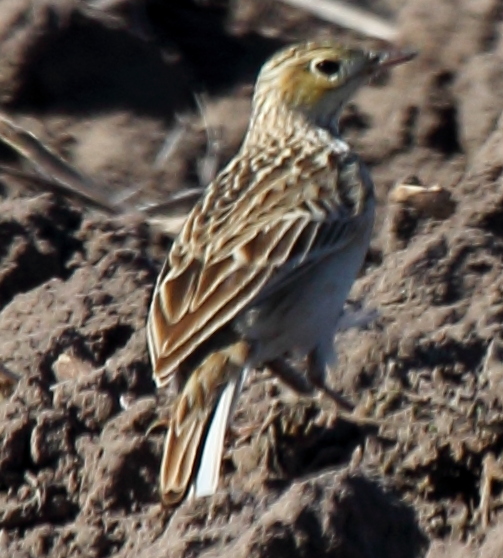
Sallow Wagtail
Motacilla salicaria
Order: Passeriformes / Family: Motacillidae

Wikimedia Commons
About the Sallow Wagtail
The Sallow Wagtail (Motacilla salicaria) captivates bird enthusiasts with its vibrant yellow underparts and agile movements. This small passerine bird, belonging to the family Motacillidae, is a member of the order Passeriformes. It thrives in diverse habitats across Europe and parts of Asia, particularly during the breeding season. The species is integral to the ecosystems it inhabits, acting as both a predator and prey. In spring and summer, the Sallow Wagtail nests in open fields, marshes, and agricultural landscapes, contributing to the control of insect populations by feeding on a variety of invertebrates. During the winter months, these birds migrate to warmer climates in Africa and southern Asia, adapting to different habitats such as wetlands and grasslands. This migratory behavior highlights their ecological role in connecting various ecosystems across continents. The Sallow Wagtail's presence in agricultural areas also underscores its significance in human-altered landscapes, where it can often be seen flitting around fields and ditches in search of food. Its adaptability to changing environments reflects its resilience and importance as an indicator species for the health of ecosystems. Seasonal behaviors such as migration and breeding are crucial for the survival of the Sallow Wagtail, as they ensure access to resources necessary for reproduction and sustenance. During the breeding season, these birds exhibit striking plumage, which plays a role in mate attraction and territorial displays. The Sallow Wagtail also participates in mixed-species flocks during migration, enhancing its survival through increased vigilance and predator avoidance. This communal behavior is not only vital for individual birds but also strengthens interspecies interactions within the ecosystem. In summary, the Sallow Wagtail's vibrant plumage, dynamic behavior, and ecological adaptability make it a fascinating subject for study and an essential component of the environments it inhabits.
The Sallow Wagtail belongs to the family Motacillidae, within the order Passeriformes. These birds typically live average 3-4 years, with some individuals living up to 5 years..
How to Identify a Sallow Wagtail
Identifying the Sallow Wagtail involves observing its distinctive yellow underparts and contrasting olive-green upperparts. Adult males display a more vivid yellow on the throat and belly, while females and juveniles have a paler yellow hue. The head of the Sallow Wagtail varies in coloration, with some subspecies exhibiting a blue-gray crown, while others might show darker or lighter shades. This variation can sometimes lead to confusion with related species such as the Yellow Wagtail (Motacilla flava), but the Sallow Wagtail's specific coloration patterns and vocalizations assist in differentiating it. The bird's slender body, long tail, and characteristic tail-wagging behavior further aid in identification. When in flight, the Sallow Wagtail displays a streamlined silhouette with rapid wingbeats and a distinctive undulating flight pattern. Its perching posture is alert and upright, often on the ground or low vegetation, showcasing its tail-wagging habit. Observers should note the bird's preference for open areas, where it actively forages and interacts with its surroundings.
Having trouble telling birds apart? Upload a photo to our bird identification tool for an instant species match.
Sallow Wagtail Habitat and Range
Preferred Habitat
The Sallow Wagtail occupies a variety of habitats, primarily favoring open areas with low vegetation. During the breeding season, it is commonly found in wet meadows, agricultural fields, and marshlands across Europe and western Asia. These habitats provide abundant food resources and suitable nesting sites. In winter, the Sallow Wagtail migrates to Africa and southern Asia, where it inhabits wetlands, grasslands, and even coastal areas. Its ability to adapt to different environments, from rural fields to urban parks, demonstrates its ecological versatility. The species is typically found at low elevations but can also be seen in mountainous regions during migration, as it seeks suitable stopover sites.
Geographic Range
The breeding range of the Sallow Wagtail extends across Europe, from the British Isles and Scandinavia in the north to the Mediterranean basin and Turkey in the south. It also inhabits parts of western Asia, reaching as far east as Kazakhstan. During the non-breeding season, the Sallow Wagtail migrates to sub-Saharan Africa, the Indian subcontinent, and parts of Southeast Asia. Migration corridors typically follow major river valleys and coastal routes, providing essential stopover sites for rest and refueling. The species is most densely populated in regions with abundant wetlands and agricultural fields, where food resources are plentiful.
Want to know which birds visit your area? Browse our backyard birds by location guides for region-specific species lists.
What Does the Sallow Wagtail Eat?
The Sallow Wagtail's diet primarily consists of insects and other small invertebrates. During the breeding season, it feeds on a wide range of arthropods such as flies, beetles, and caterpillars, which are abundant in its preferred habitats. These small prey items are captured through active foraging, as the bird moves swiftly across the ground or low vegetation. In winter, the Sallow Wagtail's diet may expand to include seeds and berries, depending on the availability of food resources in its wintering grounds. The bird employs a variety of foraging techniques, including aerial sallying to catch insects in flight and ground gleaning to pick prey from the soil or vegetation. The Sallow Wagtail's feeding schedule aligns with daylight hours, with peak activity occurring in the morning and late afternoon.
Sallow Wagtail Behavior and Social Structure
The Sallow Wagtail exhibits a range of intriguing behaviors, from its characteristic tail-wagging to its social interactions. During the breeding season, males establish territories through song and display, often engaging in aerial chases to deter intruders. Courtship involves intricate displays where males showcase their plumage and perform flight displays to attract females. The Sallow Wagtail is generally monogamous, with pairs forming strong bonds throughout the breeding season. Although primarily solitary or found in pairs during breeding, the species becomes more social during migration and wintering periods, forming loose flocks that provide safety in numbers. These flocks often include other wagtail species and small passerines, enhancing foraging efficiency and predator awareness. In response to predators, the Sallow Wagtail relies on its agility and vigilance, often emitting sharp alarm calls to alert others of danger. Daily activity patterns include periods of intense foraging interspersed with rest and preening, ensuring the bird maintains its energy levels and plumage condition.
Sallow Wagtail Nesting and Reproduction
The Sallow Wagtail constructs its nest on the ground, typically hidden among vegetation or in a small depression. The nest is a cup-shaped structure made from grass, moss, and other plant materials, lined with feathers and hair for insulation. Preferred nesting sites include open fields, marshes, and agricultural areas, where the bird can easily access food. The female lays a clutch of 4 to 6 eggs, which she incubates for about 12 to 14 days. Both parents participate in feeding the young, which fledge approximately 12 to 15 days after hatching. The Sallow Wagtail may raise two broods per year, depending on environmental conditions and food availability. Parental roles are well-defined, with the male often taking on the duty of defending the territory while the female focuses on incubation and brood care.
Sallow Wagtail Sounds and Vocalizations
The Sallow Wagtail's primary song is a series of high-pitched, sweet notes delivered in rapid succession, often described as cheerful and melodic. These songs serve to establish territory and attract mates during the breeding season. The bird also produces various call notes, including sharp 'tsip' sounds used for communication between individuals. In response to threats, the Sallow Wagtail emits an alarm call, a sharp and insistent note that signals danger to others. During the dawn chorus, this species contributes to the symphony of sounds with its clear and persistent song, adding to the richness of the soundscape. The Sallow Wagtail's vocalizations, while less complex than some other songbirds, play a crucial role in its social interactions and territorial defense.
Interesting Facts About the Sallow Wagtail
- 1The Sallow Wagtail can travel over 2,000 miles during its migration between breeding and wintering grounds.
- 2Unlike many birds, the Sallow Wagtail frequently wags its tail while walking, a behavior that helps flush out insects.
- 3The species exhibits a variety of head plumage colors across its range, leading to numerous subspecies classifications.
- 4Sallow Wagtails often form mixed-species flocks during migration, enhancing their survival through cooperative foraging.
- 5Their breeding territories can span up to 50 square meters, providing ample space for foraging and nesting.
- 6The Sallow Wagtail's diet changes seasonally, incorporating more plant material in winter when insects are scarce.
- 7During courtship, males perform acrobatic flights and sing to attract females, showcasing their agility and vocal prowess.
Sallow Wagtail Conservation Status
The Sallow Wagtail is currently listed as a species of Least Concern by the IUCN, with stable population trends across its range. However, localized threats such as habitat loss, pesticide use, and climate change pose potential risks to its populations. Conservation efforts focus on preserving and restoring wetland habitats, which are crucial for breeding and foraging. Monitoring programs help track population changes and assess the impact of environmental pressures. Historically, the Sallow Wagtail has shown resilience to changes in land use, adapting to agricultural landscapes. Continued conservation efforts aim to ensure the species remains widespread and abundant, maintaining its role in the ecosystems it inhabits.