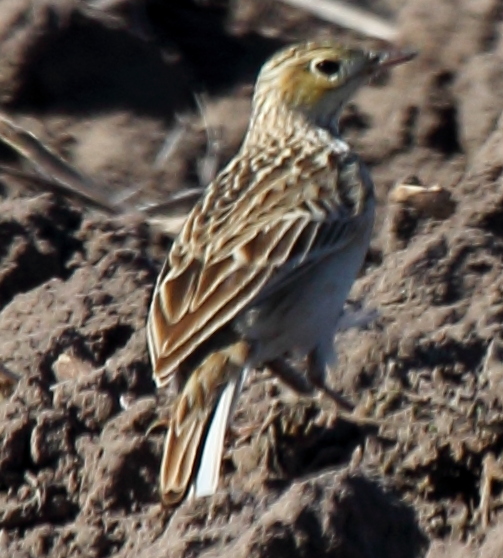
Sylvia Wagtail
Motacilla sylvia
Order: Passeriformes / Family: Motacillidae

Wikimedia Commons
About the Sylvia Wagtail
The Sylvia Wagtail, scientifically named Motacilla sylvia, is a captivating member of the family Motacillidae, known for its characteristic long tail and predominantly white plumage which distinguishes it from other wagtails. This bird is an integral part of the ecosystems it inhabits, playing a crucial role in insect population control. Found primarily in Europe and parts of Asia, the Sylvia Wagtail thrives in temperate regions, often seen flitting along riverbanks and open fields. Its adaptable nature allows it to inhabit both rural and urban areas, although it prefers proximity to water bodies.
The Sylvia Wagtail is a migratory species, noted for its long seasonal journeys. During the breeding season, it favors northern Europe, where it nests and raises its young. As temperatures drop, it embarks on a southward migration to warmer regions in southern Europe and North Africa. This seasonal movement is essential for its survival, ensuring access to food and favorable breeding conditions.
Ecologically, the Sylvia Wagtail contributes significantly to controlling insect populations. It primarily feeds on a variety of insects, which helps maintain a balance within its habitat. The bird’s presence in both urban and rural environments highlights its adaptability and the ecological versatility of its role. By aiding in pest control, the Sylvia Wagtail supports the health of both agricultural landscapes and natural ecosystems.
The Sylvia Wagtail belongs to the family Motacillidae, within the order Passeriformes. These birds typically live typically up to 10 years, with an average lifespan of 5-7 years..
How to Identify a Sylvia Wagtail
The adult Sylvia Wagtail boasts a striking appearance with predominantly white plumage, accented by black on its wings and tail. A notable feature is its long tail, which it flicks up and down while perching or walking. Males and females share similar plumage, making them difficult to distinguish by sight alone. However, during the breeding season, males may exhibit slightly more vibrant black markings.
Juveniles resemble adults but can be identified by their duller plumage and less defined black markings. This difference becomes more pronounced during the first year of life. When observing the Sylvia Wagtail in flight, its characteristic long tail and white underparts are distinguishing features that set it apart from similar species, such as the Yellow Wagtail, which has a more pronounced yellow coloring.
In terms of posture, the Sylvia Wagtail often adopts an upright stance while foraging on the ground, a behavior complemented by its characteristic tail-wagging motion. This distinctive behavior, along with its coloration, aids in identification even from a distance.
Having trouble telling birds apart? Upload a photo to our bird identification tool for an instant species match.
Sylvia Wagtail Habitat and Range
Preferred Habitat
The Sylvia Wagtail favors a variety of habitats but shows a strong preference for areas near water. It is commonly found along riverbanks, lakeshores, and marshes, where it can easily access its insect prey. In addition to these aquatic environments, it also frequents open fields, meadows, and even urban parks, demonstrating its adaptability.
The bird's presence in urban settings is often marked by its preference for green spaces such as gardens and golf courses, where it can forage for insects. While the Sylvia Wagtail is primarily associated with lowland areas, it can be found at elevations up to 2000 meters, particularly during migration when it traverses mountain passes.
Seasonal habitat shifts occur as the Sylvia Wagtail migrates from its breeding grounds in northern Europe to wintering areas in southern Europe and North Africa. This movement ensures it remains in regions with sufficient food supply year-round.
Geographic Range
The Sylvia Wagtail's breeding range extends across much of northern and central Europe, including countries such as the United Kingdom, Scandinavia, and the Baltic states. During the winter months, the bird migrates south to regions in southern Europe, including Spain, Italy, and Greece, as well as North Africa, where it finds milder climates and abundant food sources.
Migration corridors often follow major river valleys and coastal routes, providing the birds with navigable pathways and ample resources during their journeys. While the Sylvia Wagtail is not commonly found in North America, isolated sightings have been recorded, likely due to vagrant individuals.
Population density can be quite high in certain areas, particularly during the breeding season. Hotspots include regions with abundant freshwater sources and open landscapes that provide ideal foraging and nesting opportunities.
Want to know which birds visit your area? Browse our backyard birds by location guides for region-specific species lists.
What Does the Sylvia Wagtail Eat?
The Sylvia Wagtail primarily consumes insects, making it an important player in pest control within its habitat. Its diet consists mainly of flies, beetles, and caterpillars, which it actively hunts by picking them off the ground or snatching them mid-air.
Seasonal changes in diet occur as the availability of prey shifts. During the breeding season, when energy demands are high, the Sylvia Wagtail may also consume small aquatic insects and crustaceans found along water bodies. In autumn and winter, it can occasionally be seen foraging for seeds and berries, supplementing its diet when insect populations dwindle.
Foraging techniques of the Sylvia Wagtail include a characteristic ground-feeding behavior, where it walks or runs in open areas, frequently stopping to pick insects from the surface. It employs a mix of visual and tactile hunting strategies, often seen making sudden darts to catch prey.
Sylvia Wagtail Behavior and Social Structure
The Sylvia Wagtail exhibits a range of behaviors that reflect its adaptability and ecological niche. Socially, it tends to be solitary or found in pairs, especially during the breeding season. However, outside of breeding, it may form loose flocks, particularly during migration when safety in numbers becomes advantageous.
Territorial behavior is pronounced during the breeding season, with males establishing and defending their territories through song and display flights. Courtship displays can include aerial chases and mutual preening between paired birds.
In terms of daily activity patterns, the Sylvia Wagtail is diurnal, most active during the early morning and late afternoon when insects are abundant. Its response to predators involves a combination of alarm calls and evasive flight, utilizing its agility and speed to escape threats.
Sylvia Wagtail Nesting and Reproduction
Nest construction for the Sylvia Wagtail begins in early spring, with pairs selecting sites close to water. Preferred locations include bank crevices, under bridges, or in dense vegetation. Nests are typically cup-shaped, constructed from grass, moss, and lined with softer materials such as feathers.
The typical clutch size ranges from 4 to 6 eggs, with incubation lasting about 12 to 14 days. Both parents share incubation duties, though the female often takes the primary role. Once hatched, chicks fledge within 14 to 16 days, during which time both parents actively feed and protect them.
The Sylvia Wagtail can produce two broods per year, depending on environmental conditions and food availability. This prolific breeding strategy aids in maintaining stable population numbers despite potential threats.
Sylvia Wagtail Sounds and Vocalizations
The Sylvia Wagtail's primary song is a rapid series of high-pitched notes, delivered in a repetitive and rhythmic pattern. This song, often described as 'tsee-tsee-tsee,' serves to establish territory and attract mates during the breeding season.
In addition to its song, the Sylvia Wagtail produces distinct call notes, including a sharp 'chit-chit' used in social interactions or to signal alarm. Alarm calls become more frequent in the presence of predators, serving to warn nearby conspecifics.
Dawn chorus participation is particularly notable during the spring, with males singing vigorously at first light to assert territorial claims and attract females.
Interesting Facts About the Sylvia Wagtail
- 1Sylvia Wagtails can cover over 2000 kilometers during their seasonal migrations.
- 2Despite their name, Sylvia Wagtails are not closely related to the true wagtails of the genus Motacilla.
- 3This bird's long tail is not just for show; it aids in balance while foraging.
- 4Sylvia Wagtails exhibit a unique 'wagging' behavior, where they bob their tails up and down.
- 5During the breeding season, Sylvia Wagtails can raise two broods, increasing their reproductive success.
- 6Their migratory routes often coincide with insect hatching cycles, ensuring abundant food supply.
- 7Sylvia Wagtails contribute to controlling agricultural pests, benefiting farmers in their range.
Sylvia Wagtail Conservation Status
The Sylvia Wagtail currently holds a status of Least Concern on the IUCN Red List, with populations considered stable across its range. However, habitat loss due to urbanization and agricultural intensification poses ongoing threats. Conservation efforts focus on preserving natural habitats, particularly wetlands and grasslands, which are crucial for breeding and foraging. In recent decades, some populations have experienced shifts due to climate change, which affects migration patterns and food availability. Continued monitoring and habitat protection are essential to ensure the Sylvia Wagtail's enduring presence in its native regions.