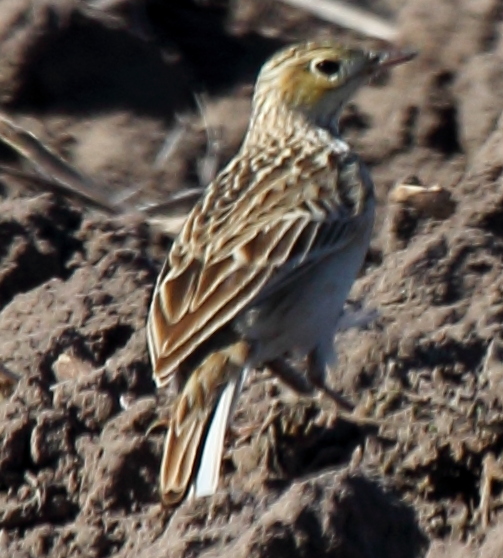
Motacilla viridis
Motacilla viridis
Order: Passeriformes / Family: Motacillidae

Wikimedia Commons
About the Motacilla viridis
Motacilla viridis, commonly known as the Green Wagtail, is a captivating bird species belonging to the family Motacillidae. This bird is widely recognized for its vibrant green plumage and characteristic wagging tail behavior, which it often displays while perched or foraging. The Green Wagtail occupies a significant ecological niche within its native range, serving as an important insectivore in various ecosystems. Found primarily across Asia, it inhabits a broad range of environments including wetlands, grasslands, and urban areas. Its adaptability to different habitats highlights both its ecological versatility and its crucial role in controlling insect populations. During the breeding season, typically from April to July, the Green Wagtail is most commonly found in the temperate regions of the Himalayas, where it nests in grasslands and near water bodies. The species exhibits partial migratory behavior, with northern populations moving to southern Asia during the colder months. This seasonal migration is driven by the search for food and suitable climatic conditions. In winter, the Green Wagtail can be observed in the wetlands and rice paddies of India and Southeast Asia, where it joins flocks of other wagtail species. Its presence in these regions during this period underscores its importance in maintaining the ecological balance in both natural and agricultural landscapes. The Green Wagtail plays a significant role in seed dispersal and pest control, contributing to the health of the ecosystems it inhabits. Its presence benefits both natural and human-modified environments, making it a valuable species for ecological studies and conservation efforts.
The Motacilla viridis belongs to the family Motacillidae, within the order Passeriformes. These birds typically live average 4-5 years, with max recorded up to 8 years..
How to Identify a Motacilla viridis
The Green Wagtail is a medium-sized songbird with distinctive field marks that make it relatively easy to identify. Adult birds exhibit a bright green plumage on their upperparts, which contrasts sharply with their white underparts. This vibrant green coloration is particularly striking in sunlight and is a key feature for identification. The bird also has a distinctive black eye stripe that runs from the base of the beak through the eye, accentuating its alert appearance. In flight, its long, wagging tail is unmistakable and serves as a useful identification mark. Juvenile Green Wagtails, in contrast, display a more subdued coloration with browner tones and less distinct striping. This difference can lead to some confusion with other wagtail species such as the Yellow Wagtail (Motacilla flava) or the Grey Wagtail (Motacilla cinerea). However, the Green Wagtail's unique combination of green upperparts and white underparts, along with its specific tail-wagging behavior, helps to distinguish it from similar species. Sexual dimorphism is not pronounced in this species, with males and females appearing quite similar in plumage. During perching, the Green Wagtail often adopts an upright posture, frequently bobbing its tail up and down, a behavior that is characteristic of the wagtail family.
Having trouble telling birds apart? Upload a photo to our bird identification tool for an instant species match.
Motacilla viridis Habitat and Range
Preferred Habitat
The Green Wagtail thrives in a variety of habitats across its range in Asia. It commonly inhabits open areas such as grasslands, wetlands, and agricultural fields where it can forage for insects. This species is also found in urban environments, often seen darting around parks and gardens in search of food. The bird's adaptability to various habitats allows it to occupy elevations ranging from lowlands to subalpine zones. During the breeding season, it prefers grasslands and marshy areas near rivers or lakes, which provide ample food resources and nesting sites. In the winter months, the Green Wagtail migrates to lower elevations and warmer regions, often frequenting rice paddies and wetlands in southern Asia. This seasonal habitat shift reflects its need for abundant food and suitable weather conditions. Despite its adaptability, the Green Wagtail tends to avoid densely forested areas, emphasizing its preference for open spaces. Its presence in both rural and urban settings highlights its ability to coexist with human populations.
Geographic Range
The Green Wagtail's range extends across a broad swath of Asia, from the Himalayas in the west to the eastern reaches of China. During the breeding season, it occupies regions in the northern parts of India, Nepal, and Bhutan, where it finds suitable nesting sites in the grasslands and marshes. As a partial migrant, the Green Wagtail travels southward during the winter, reaching countries such as India, Bangladesh, and Myanmar. These regions offer favorable climates and abundant food sources during the colder months. Migration corridors include major river valleys and lowland routes that facilitate the bird's movement between breeding and wintering grounds. Population density tends to be higher in the wintering areas, where the bird joins other wagtail species in large flocks. This seasonal movement is a critical aspect of the Green Wagtail's life cycle, ensuring its survival and reproduction across diverse geographical regions.
Want to know which birds visit your area? Browse our backyard birds by location guides for region-specific species lists.
What Does the Motacilla viridis Eat?
The Green Wagtail has a diet primarily consisting of insects and other small invertebrates, making it a crucial player in controlling pest populations. It forages on the ground, demonstrating a distinctive run-and-pause technique as it hunts for prey. This method involves rapid movements followed by brief pauses to catch sight of potential food items. The wagtail's diet includes a variety of insects such as beetles, flies, and caterpillars, which it captures using its sharp beak. During the breeding season, the Green Wagtail's diet becomes more varied, with an increased intake of aquatic insects and larvae found near water bodies. In winter, when insect availability declines, it may supplement its diet with seeds and small fruits found in agricultural fields. The bird typically forages during the day, taking advantage of the daylight to efficiently locate and capture prey. Its feeding schedule is flexible, allowing it to exploit different food sources as needed.
Motacilla viridis Behavior and Social Structure
The Green Wagtail exhibits intriguing social and territorial behaviors that vary with the seasons. During the breeding season, the bird becomes territorial, often engaging in displays to defend its nesting area from intruders. Males perform aerial displays and sing from elevated perches to attract mates and establish territory. Courtship involves complex displays that include tail-fanning and vocalizations. Outside the breeding season, the Green Wagtail is more sociable and can be seen in flocks, often foraging alongside other wagtail species. This flocking behavior provides safety in numbers and increases foraging efficiency. The bird's daily activity pattern involves active foraging during the cooler hours of the morning and late afternoon, with periods of rest during the hottest part of the day. In response to predators, the Green Wagtail relies on its agility and quick flight to evade capture, often taking cover in dense vegetation. Its alert nature and quick reflexes help it avoid potential threats.
Motacilla viridis Nesting and Reproduction
The nesting habits of the Green Wagtail demonstrate its adaptability and resourcefulness. This species typically constructs its nest on the ground, often concealed among tall grasses or reeds near water bodies. The nest is a cup-shaped structure made from grass, leaves, and rootlets, providing a secure environment for the eggs. The typical clutch consists of 4-6 eggs, which are incubated by both parents for about 12-14 days. After hatching, the chicks remain in the nest for approximately 14-16 days before fledging. Both parents share the responsibility of feeding and protecting the young, ensuring a high rate of survival. The Green Wagtail usually raises one brood per year, although some pairs may attempt a second brood if conditions allow. The choice of nesting site near water provides access to abundant food resources, supporting the growth and development of the chicks during the crucial early stages of life.
Motacilla viridis Sounds and Vocalizations
The Green Wagtail's vocalizations include a melodic song and a variety of calls that serve different purposes. Its primary song is a series of clear, high-pitched notes delivered in a rhythmic pattern, often heard from a prominent perch during the breeding season. This song plays a key role in mate attraction and territorial defense. The bird also produces a distinctive call note, a sharp 'chit' or 'tsip', used for communication between individuals, especially within flocks. Alarm calls are more urgent in tone, alerting others to potential predators. During the dawn chorus, the Green Wagtail's song contributes to the soundscape of its habitat, adding to the symphony of avian voices that greet the morning. These vocalizations are essential for maintaining social bonds and coordinating activities within groups.
Interesting Facts About the Motacilla viridis
- 1The Green Wagtail's tail-wagging behavior is thought to help flush out insects from hiding spots, making them easier to catch.
- 2This species can cover long distances during migration, traveling thousands of kilometers from its breeding to wintering grounds.
- 3Despite its vibrant coloration, the Green Wagtail is well camouflaged in its natural grassland and wetland habitats.
- 4The Green Wagtail is capable of producing a second brood in favorable conditions, demonstrating its reproductive flexibility.
- 5Its name, 'Wagtail', is derived from the characteristic up-and-down motion of its tail, an iconic behavior of the species.
Motacilla viridis Conservation Status
The Green Wagtail is currently classified as Least Concern by the IUCN, with stable population trends observed across its range. Despite facing habitat degradation and loss due to agricultural expansion and urbanization, the species remains abundant in suitable habitats. Conservation efforts focus on preserving wetland areas and grasslands, which are crucial for its breeding and feeding. Historically, the Green Wagtail's population has shown resilience, adapting to changing environmental conditions. Continued monitoring and habitat protection are essential to ensure the species' long-term survival and ecological role.