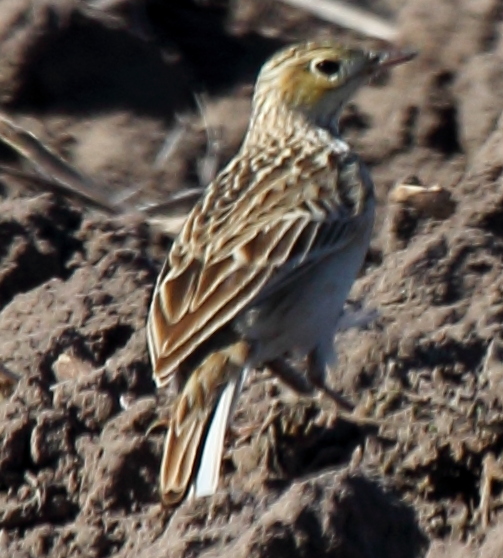
Motacilla voarula
Motacilla voarula
Order: Passeriformes / Family: Motacillidae
About the Motacilla voarula
The Motacilla voarula, commonly known as the White-browed Wagtail, is a species that enthralls bird enthusiasts with its unique characteristics and widespread presence across the Asian continent. As a member of the Motacillidae family, this bird plays a vital role in its ecosystem, serving as both predator and prey in various habitats. These birds are predominantly found near water bodies such as rivers, lakes, and marshes, where they forage for insects, their primary food source. The White-browed Wagtail's adaptability to diverse environments, from rural wetlands to urban parks, highlights its ecological significance. It thrives in regions ranging from the foothills of the Himalayas to the urban landscapes of Indian cities. Seasonal behaviors of Motacilla voarula are particularly intriguing, with noticeable shifts in their activity during breeding and non-breeding seasons. During the breeding season, which occurs from March to September, these birds exhibit increased territoriality and vocalizations, often engaging in complex courtship displays. In contrast, the non-breeding season sees them form loose flocks, focusing on foraging and conserving energy. Their ecological role extends to pest control, as they consume a significant number of insects, thus benefiting agriculture. Additionally, their presence near water bodies helps maintain the ecological balance, as they contribute to the food chain, serving as prey for larger birds and mammals. Their adaptability and resilience in the face of changing environments make the Motacilla voarula a subject of interest for conservationists and researchers alike. Understanding their behaviors and habitat preferences provides insights into the health of ecosystems they inhabit and underscores the interconnectedness of species within these environments.
The Motacilla voarula belongs to the family Motacillidae, within the order Passeriformes. These birds typically live average 3-4 years, with max recorded up to 7 years..
How to Identify a Motacilla voarula
The White-browed Wagtail, or Motacilla voarula, is easily identified by its contrasting black and white plumage, which is particularly striking against the lush green backgrounds of its natural habitat. Adult birds showcase a glossy black head, back, and wings, with a distinctive white brow and underparts that make them stand out among other wagtails. Juvenile birds differ slightly, having a more subdued grayish-brown coloration, which they lose as they mature into their vivid adult plumage. Sexual dimorphism in this species is subtle, with males often displaying slightly more intense coloration than females, though both sexes share the characteristic tail-wagging behavior. This wagging motion is rhythmic and consistent, serving as a key field mark for birdwatchers. In flight, the White-browed Wagtail presents a sleek silhouette, with long, narrow wings and a conspicuously elongated tail that it uses to maintain balance and maneuverability. When perched, it often adopts an upright posture, appearing alert and vigilant. While some may confuse it with other wagtail species, the combination of its size, distinct facial pattern, and behavior aids in accurate identification.
Having trouble telling birds apart? Upload a photo to our bird identification tool for an instant species match.
Motacilla voarula Habitat and Range
Preferred Habitat
Motacilla voarula inhabits a variety of environments, demonstrating remarkable adaptability. It is frequently seen near freshwater sources including rivers, lakes, and marshes, where it can easily forage for its insect prey. This wagtail is also found in agricultural fields and grasslands, capitalizing on the abundance of insects in these areas. Its presence in urban parks and gardens showcases its ability to thrive in man-made environments. Although typically found at lower elevations, it can adapt to higher altitudes, particularly in regions like the Himalayan foothills. Seasonal habitat shifts are not uncommon, with these birds moving to more sheltered environments during harsh weather conditions. Their ability to inhabit both rural and urban areas underscores their ecological versatility.
Geographic Range
The White-browed Wagtail's range spans across much of the Indian Subcontinent, covering countries such as India, Nepal, Bhutan, Bangladesh, and Sri Lanka. During the breeding season, they are predominantly found in northern regions, taking advantage of the warmer climate and abundant food supply. As the seasons change, some populations migrate short distances to the southern parts of their range, seeking milder conditions and continued food availability. Although not a long-distance migrant, the species exhibits partial migratory behavior, particularly in areas subject to significant seasonal changes. High population densities are often observed in regions with extensive water bodies, where the birds can easily meet their dietary needs.
Want to know which birds visit your area? Browse our backyard birds by location guides for region-specific species lists.
What Does the Motacilla voarula Eat?
The diet of the Motacilla voarula primarily consists of insects, which it actively hunts along the edges of water bodies. Its foraging technique is highly dynamic, involving rapid movements and precise strikes to capture prey. Common food items include flies, beetles, and aquatic larvae, which it finds by scanning the surface of water or vegetation. Seasonal variations in diet occur, with the wagtail consuming a higher proportion of aquatic insects during the rainy season when these are more abundant. In addition to insects, it occasionally consumes small crustaceans and spiders, diversifying its diet based on availability. The wagtail typically forages during daylight hours, with peak activity observed during the morning and late afternoon.
Motacilla voarula Behavior and Social Structure
The Motacilla voarula exhibits a range of intriguing behaviors, particularly during the breeding season. It is a territorial bird, with males often engaging in elaborate displays to attract mates and defend their territory. These displays include aerial chases and repetitive vocalizations, designed to establish dominance and attract females. Outside the breeding season, the White-browed Wagtail becomes more social, forming loose flocks that allow for cooperative foraging and increased protection against predators. Their response to threats is swift, with birds quickly taking flight while emitting sharp alarm calls to warn others. The daily activity patterns of this wagtail include periods of high foraging activity interspersed with rest and preening, ensuring optimal energy conservation and maintenance of plumage.
Motacilla voarula Nesting and Reproduction
The nesting habits of Motacilla voarula are closely tied to their proximity to water sources. They construct cup-shaped nests using grass, twigs, and feathers, often positioning them in shrubs or on the ground near water. The typical clutch size ranges from three to five eggs, with both parents sharing incubation duties over a period of about 12-14 days. After hatching, the chicks remain in the nest for another two weeks, during which time both parents are actively involved in feeding and protecting the young. The number of broods per year varies, with most pairs raising two to three broods, depending on environmental conditions and food availability.
Motacilla voarula Sounds and Vocalizations
The vocalizations of the White-browed Wagtail are a defining feature, with a primary song that consists of a series of melodious whistles and chirps. This song is often delivered from a prominent perch, serving both to establish territory and attract mates. In addition to their song, these wagtails produce a variety of call notes, including sharp 'chik-chik' sounds used during flight and softer calls used during social interactions. Alarm calls are more abrupt and piercing, designed to alert others to potential danger. The dawn chorus of the Motacilla voarula is particularly notable, as it marks the start of their daily activities with vibrant vocalizations that fill the air.
Interesting Facts About the Motacilla voarula
- 1The Motacilla voarula can wag its tail over 20 times per minute, a behavior linked to balance and communication.
- 2Despite its striking colors, the White-browed Wagtail is surprisingly adept at blending into its environment when still.
- 3The White-browed Wagtail's song is unique among wagtails, with a more melodic and varied repertoire.
- 4This species can cover distances of up to 2 kilometers a day while foraging for food.
- 5The White-browed Wagtail often reuses nest sites, refurbishing previous nests with fresh materials.
Motacilla voarula Conservation Status
Currently classified as Least Concern by the IUCN, the White-browed Wagtail enjoys a stable population trend across its range. However, localized threats such as habitat destruction and pollution pose challenges to certain populations. Conservation efforts focus on preserving wetland habitats and promoting sustainable agricultural practices that support insect populations, which are vital to the wagtail's diet. Historical population changes have been minimal, with the species demonstrating resilience and adaptability. Continued monitoring and habitat protection remain critical to ensuring its long-term conservation.