
Olivaceous Greenlet
Hylophilus olivaceus
Order: Passeriformes / Family: Vireonidae

Wikimedia Commons
About the Olivaceous Greenlet
The Olivaceous Greenlet, scientifically known as Hylophilus olivaceus, inhabits the lush, humid forests of South America. This small passerine bird is a member of the Vireonidae family, a group known for its distinctive vocalizations and insectivorous diet. The Olivaceous Greenlet thrives in the dense canopy of tropical lowland forests, particularly in regions like the Amazon Basin, where it plays a crucial role in the forest ecosystem by controlling insect populations and aiding in seed dispersal. Its presence is a good indicator of healthy, intact forest habitats. These birds often remain hidden in the foliage, making them challenging to spot but easy to hear. Their song is a familiar sound in the forests of Brazil, Colombia, and Peru, contributing to the vibrant soundscape of these biodiverse regions. Throughout the year, the Olivaceous Greenlet remains non-migratory, residing in its preferred habitat. However, it may undertake short-distance movements within its territory in response to food availability and environmental changes. During the breeding season, typically occurring during the wet months, the Olivaceous Greenlet becomes more vocal and active, engaging in courtship displays and nest-building activities. The species' ecological role extends beyond insect control, as it also aids in pollination and seed dispersal, ensuring the continued health and diversity of its forest home. Its interaction with other species, both flora and fauna, highlights its significance within the complex web of tropical forest life.
The Olivaceous Greenlet belongs to the family Vireonidae, within the order Passeriformes. These birds typically live typically 3-5 years in the wild..
How to Identify a Olivaceous Greenlet
The Olivaceous Greenlet is a small bird, measuring about 12 cm in length. Its plumage is predominantly olive-green, a characteristic that gives the bird its name. The underparts are lighter, often a pale yellowish or whitish color. Adults of both sexes look similar, but males may exhibit slightly brighter plumage. Juveniles resemble adults but may have duller colors. The greenlet’s head is marked by a subtle crown stripe and a faint pale eyering, distinguishing it from similar species. Unlike some vireos and greenlets, the Olivaceous Greenlet lacks wing bars, which helps in its identification. In flight, the bird's silhouette appears compact with rounded wings and a medium-length tail. When perched, it often assumes an upright posture, making it easier to spot among the dense foliage. Confusion may arise with other greenlets or vireos, but the Olivaceous Greenlet’s unique combination of olive-green upperparts and pale underparts, along with its specific vocalizations, aid in accurate identification.
Having trouble telling birds apart? Upload a photo to our bird identification tool for an instant species match.
Olivaceous Greenlet Habitat and Range
Preferred Habitat
The Olivaceous Greenlet primarily inhabits tropical lowland forests, thriving in regions with dense canopy cover and abundant vegetation. It is commonly found in primary forests but can also adapt to secondary growth and forest edges. These birds prefer elevations ranging from sea level to around 1,200 meters, although they are most prevalent at lower altitudes. Seasonal changes do not significantly affect their habitat preferences, as they remain in the forested areas year-round. While they are not typically found in urban environments, they may occasionally venture into gardens and parks adjacent to forests. Their reliance on forested habitats makes them susceptible to deforestation, underscoring the importance of conserving these environments.
Geographic Range
The Olivaceous Greenlet's range spans several countries within South America, including Brazil, Colombia, Venezuela, Peru, and Bolivia. It is most commonly found in the vast expanses of the Amazon Basin, where the dense forests provide ideal conditions for its lifestyle. Unlike migratory species, the Olivaceous Greenlet remains within its range throughout the year, with no significant migratory movements. Areas of higher population density are often correlated with regions of extensive, undisturbed forest cover. Despite its relatively wide distribution, habitat destruction poses a threat to certain populations, potentially leading to localized declines.
Want to know which birds visit your area? Browse our backyard birds by location guides for region-specific species lists.
What Does the Olivaceous Greenlet Eat?
The Olivaceous Greenlet primarily feeds on insects, which it gleans from leaves and branches while foraging in the mid to upper canopy. Its diet includes caterpillars, beetles, spiders, and other small arthropods. During certain times of the year, particularly when insect abundance is lower, the greenlet supplements its diet with fruits and berries. This dietary flexibility allows it to adapt to seasonal changes in food availability. The bird employs a methodical foraging technique, moving deliberately through foliage and occasionally hovering to snatch prey from the underside of leaves. Feeding activity peaks during the cooler hours of the morning and late afternoon, aligning with periods of increased insect activity.
Olivaceous Greenlet Behavior and Social Structure
The Olivaceous Greenlet exhibits a solitary or loosely social behavior, often seen foraging alone or in pairs. During the breeding season, males become territorial, vocally defending their area from rivals. Courtship involves singing and a series of display flights, where the male showcases his agility and plumage to attract a mate. Although generally non-flocking, these birds may join mixed-species feeding flocks, especially outside the breeding season, to enhance foraging efficiency and predator vigilance. When faced with predators, the Olivaceous Greenlet relies on camouflage and swift maneuvering through the dense foliage, often relying on cryptic behavior rather than aggressive defense. Its daily activities are diurnal, with a pattern of active feeding interspersed with periods of rest and preening.
Olivaceous Greenlet Nesting and Reproduction
The Olivaceous Greenlet constructs a small cup-shaped nest, typically placed in the fork of a tree branch at varying heights, though usually within 2 to 5 meters from the ground. The nest is woven from fine grasses, roots, and spider webs, providing a secure yet flexible structure. The female lays a clutch of two to three eggs, which she incubates for approximately 12 to 14 days. Both parents participate in feeding the chicks, which fledge about two weeks after hatching. The greenlet typically raises one or two broods per breeding season, depending on environmental conditions and food availability. Parental care continues for several weeks post-fledging, with adults teaching juveniles essential survival skills.
Olivaceous Greenlet Sounds and Vocalizations
The primary song of the Olivaceous Greenlet consists of a series of clear, melodious notes, often described as a repetitive 'twee-twee-twee.' These notes are delivered at a moderate pace, creating a soothing, rhythmic quality. Besides its song, the greenlet produces a variety of call notes, including sharp 'chit' sounds used for communication between mates or signaling alarm. During the dawn chorus, the Olivaceous Greenlet's song contributes to the rich tapestry of sounds characteristic of tropical forests, its melody blending seamlessly with those of other bird species.
Interesting Facts About the Olivaceous Greenlet
- 1The Olivaceous Greenlet can remain motionless for extended periods, blending perfectly with its leafy surroundings.
- 2Despite its small size, the Olivaceous Greenlet has a surprisingly loud song that can carry through the dense forest.
- 3The Olivaceous Greenlet is often one of the first birds to resume singing after a rainstorm, adding to the forest's post-rain symphony.
- 4These birds play an important role in controlling insect populations, consuming a variety of pests.
- 5The Olivaceous Greenlet's nest is ingeniously camouflaged, often indistinguishable from the surrounding foliage.
- 6During the breeding season, male Olivaceous Greenlets may sing for hours to establish and defend their territory.
- 7The species' adaptability to secondary forest growth has helped it maintain stable populations despite habitat loss.
Olivaceous Greenlet Conservation Status
Currently, the Olivaceous Greenlet is listed as Least Concern by the IUCN, with stable population trends across much of its range. However, ongoing habitat destruction, particularly deforestation for agriculture and logging, poses a significant threat. Conservation efforts focus on preserving large tracts of forest and promoting sustainable land-use practices. Historically, the species has maintained a stable presence in its preferred habitats, but continued vigilance is necessary to ensure its long-term survival. Protecting the integrity of tropical forests remains crucial for the conservation of the Olivaceous Greenlet and other forest-dependent species.
Other Vireonidae Species
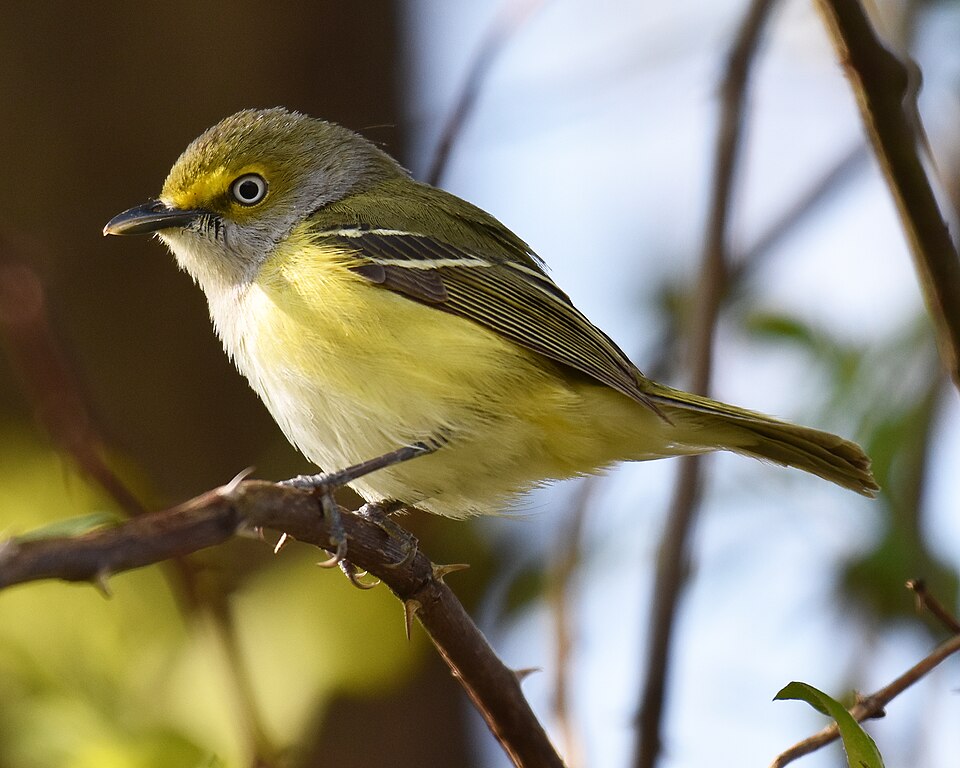

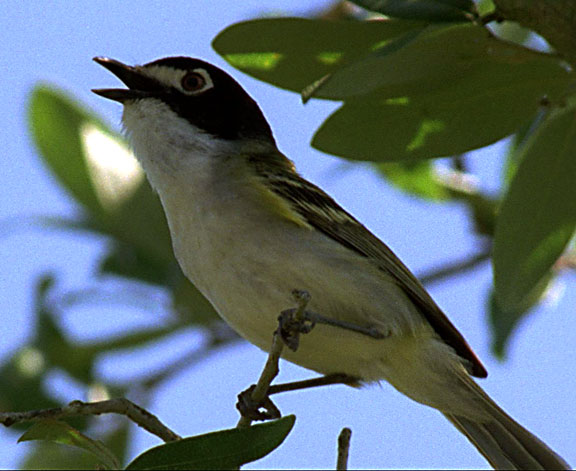

Birds Similar to the Olivaceous Greenlet
These species are often confused with the Olivaceous Greenlet due to similar appearance or overlapping range.
