
Paradise Parrot
Psephotellus pulcherrimus
Order: Psittaciformes / Family: Psittaculidae
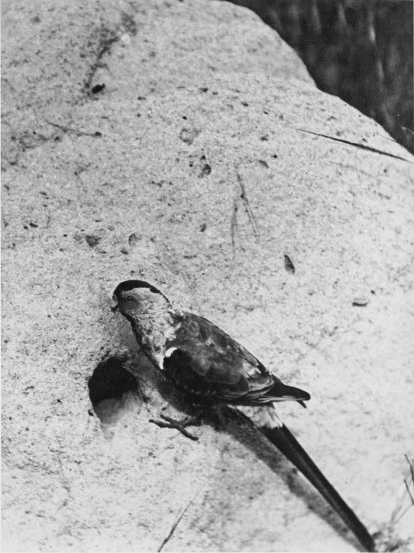
Wikimedia Commons
About the Paradise Parrot
The Paradise Parrot, scientifically known as Psephotellus pulcherrimus, once graced the open woodlands and grassy savannas of southern Queensland and northern New South Wales in Australia. This species, with its vibrant colors, held a special place in the avian world due to its striking appearance and rarity. Historically, the Paradise Parrot played a vital ecological role as a seed disperser in these regions, contributing to the maintenance of healthy grassland ecosystems. Its diet, primarily consisting of native grass seeds, also included occasional insects, which helped control pest populations.
This parrot was significant not just ecologically but also culturally, as it captured the fascination of bird enthusiasts and ornithologists alike. Its rarity and beauty have made it an icon of conservation efforts, serving as a poignant reminder of the fragility of ecosystems. The Paradise Parrot's decline highlighted the impact of habitat destruction and introduced species, underscoring the importance of habitat conservation for maintaining biodiversity.
The Paradise Parrot was known for its seasonal behaviors, particularly its breeding activities which were synchronized with the availability of food resources. These parrots exhibited a preference for nesting in termite mounds, a behavior that was unique and fascinating to observe. Despite extensive efforts to locate the Paradise Parrot since its last confirmed sighting in the early 20th century, it remains one of Australia's most enigmatic and mourned avian losses, representing a sobering chapter in the history of avian conservation.
The Paradise Parrot belongs to the family Psittaculidae, within the order Psittaciformes. These birds typically live unknown; likely similar to other small parrots, 10-15 years..
How to Identify a Paradise Parrot
Adult Paradise Parrots exhibited a distinctive and vibrant plumage that made them unmistakable among other bird species. Males boasted an iridescent green back with a contrasting blue-green forehead and face, while the underparts were a bright scarlet red. Females, although slightly duller, shared similar coloration but with more subdued tones. Juvenile birds resembled the females in appearance but could be distinguished by their slightly drabber and less iridescent plumage.
The Paradise Parrot's body structure was characterized by its medium size and slender build, with a long, tapered tail that added to its elegant appearance. The wings were pointed, and in flight, the parrot displayed a swift and direct pattern, often accompanied by brief glides. When perched, the bird maintained an upright posture, showcasing its vivid colors against the contrasting backdrop of its habitat.
Potential confusion with similar species, such as the Red-rumped Parrot (Psephotus haematonotus), could occur due to overlapping ranges. However, the Paradise Parrot's unique coloration, particularly its scarlet underparts, provided a definitive field mark for identification. Observers noted that the Paradise Parrot's overall appearance and behavior were well adapted to the grassy and open woodland environments it once inhabited.
Having trouble telling birds apart? Upload a photo to our bird identification tool for an instant species match.
Paradise Parrot Habitat and Range
Preferred Habitat
The Paradise Parrot inhabited open woodlands and grassy savannas, particularly favoring areas with abundant termite mounds which provided nesting sites. These habitats were typically found at lower elevations in southern Queensland and northern New South Wales. This parrot thrived in areas characterized by Eucalyptus trees and native grasses, which supported its diet and ecological needs.
Seasonal shifts in habitat preference were observed, with the Paradise Parrot often moving to areas with higher seed availability during breeding seasons. However, these shifts were limited to the local range as the bird was non-migratory. Urban encroachment and agricultural development threatened its habitat, leading to a decline in suitable nesting and feeding grounds.
The Paradise Parrot's presence in rural versus urban areas was heavily skewed towards rural environments. It relied on natural grasslands and open woodlands rather than modified or urban landscapes, which lacked the specific ecological features necessary for its survival.
Geographic Range
The breeding range of the Paradise Parrot was once restricted to the open woodlands and savannas of southern Queensland and northern New South Wales, Australia. These areas provided the necessary conditions for its nesting and feeding activities. The Paradise Parrot was a resident species, and unlike many other parrot species, it did not engage in long-distance migration.
Population density hotspots were historically recorded in regions with abundant grass seeds and suitable nesting sites, particularly around the Burnett and Dawson river catchments. However, habitat destruction and other environmental pressures led to a rapid decline in its population, and the bird was last definitively sighted in 1927.
Today, the range of the Paradise Parrot is largely a matter of historical record, as the species is believed to be extinct. Conservationists continue to search for any remaining individuals or evidence of its existence, but the bird's former range remains a poignant reminder of the ecological richness that once characterized this part of Australia.
Want to know which birds visit your area? Browse our backyard birds by location guides for region-specific species lists.
What Does the Paradise Parrot Eat?
The diet of the Paradise Parrot primarily consisted of grass seeds, which were abundant in its native habitat of open woodlands and grassy savannas. These seeds provided the essential nutrients needed for the parrot's survival and were available throughout much of the year. During breeding seasons, the availability of seeds increased, supporting the energetic demands of raising young.
Secondary food sources included small insects, which were occasionally consumed. These insects provided additional protein and were typically foraged from the ground or low vegetation. The parrot's foraging technique involved walking along the ground, using its beak to pick seeds and insects.
Seasonal changes in diet were minimal, as the parrot's habitat provided a consistent supply of food resources. However, during periods of drought or habitat disturbance, the availability of seeds could have been impacted, leading to potential dietary stress. The Paradise Parrot's feeding schedule was generally diurnal, with peak activity occurring in the early morning and late afternoon when temperatures were cooler.
Paradise Parrot Behavior and Social Structure
The social structure of the Paradise Parrot was characterized by small family groups, often consisting of a breeding pair and their offspring. These groups were typically seen foraging together, exhibiting a cooperative approach to locating food resources. Territorial behavior was evident during the breeding season, with pairs defending their nesting sites aggressively against intruders.
Courtship displays were intricate and involved aerial acrobatics, vocalizations, and mutual preening. These displays played a crucial role in pair bonding and were observed primarily during the early stages of the breeding season. The Paradise Parrot's response to predators included alarm calls and swift, evasive flight patterns, which helped to protect both themselves and their young from threats.
Daily activity patterns showed a preference for early morning and late afternoon activity, coinciding with cooler temperatures and optimal foraging conditions. During the heat of the day, the parrots often sought shelter in shaded areas, reducing their visibility and vulnerability to predators. The Paradise Parrot's overall behavior was well adapted to its environment, although habitat changes and threats ultimately contributed to its decline.
Paradise Parrot Nesting and Reproduction
The nesting habits of the Paradise Parrot were unique and involved the use of termite mounds for nesting sites. These mounds provided a secure and stable environment for laying eggs. The parrots excavated a tunnel into the mound, leading to a nesting chamber where the female laid her eggs.
Clutch size typically ranged from four to six eggs, with incubation lasting about 20 days. Both the male and female participated in incubation duties, although the female assumed the primary role. After hatching, the chicks remained in the nest for approximately five to six weeks before fledging.
Parental roles were shared, with both parents involved in feeding and protecting the young. The number of broods per year was generally limited to one, although in favorable conditions, a second brood might be attempted. The reliance on termite mounds made the Paradise Parrot particularly vulnerable to habitat changes that impacted these critical nesting sites.
Paradise Parrot Sounds and Vocalizations
The primary song of the Paradise Parrot was a melodious series of whistles, with a rhythm that was both complex and variable. The pitch was typically high, and the quality of the song was described as both sweet and clear, often carrying over long distances in its open habitat.
Call notes included sharp, quick chirps used for communication between individuals, particularly during foraging activities. Alarm calls were more urgent and consisted of rapid, repeated notes designed to alert others to potential danger.
The Paradise Parrot's dawn chorus was a daily performance, with males leading the vocalizations as they established territory and attracted mates. The sound was reminiscent of other parrot species, yet it possessed a distinctiveness that reflected its unique ecological niche.
Interesting Facts About the Paradise Parrot
- 1The Paradise Parrot was the only Australian bird known to nest in termite mounds, a unique adaptation among parrots.
- 2Despite extensive searches, the last confirmed sighting of the Paradise Parrot occurred in 1927, sparking ongoing intrigue.
- 3The Paradise Parrot was once considered one of the most beautiful parrots in Australia, famous for its vibrant colors.
- 4Historical records suggest that the Paradise Parrot was more abundant in areas with diverse grass species, reflecting its dietary needs.
- 5The extinction of the Paradise Parrot has become a symbol of the broader conservation challenges facing Australia's unique wildlife.
- 6Some early 20th-century ornithologists claimed that the Paradise Parrot's song was among the most melodious of any parrot.
- 7The decline of the Paradise Parrot paralleled the rise of agricultural development in its native habitat, highlighting human impact.
Paradise Parrot Conservation Status
Listed as extinct by the IUCN, the Paradise Parrot's population trend has been downward for many decades, primarily due to habitat destruction, predation by introduced species, and competition for nesting sites. Conservation efforts during the 20th century aimed to protect its remaining habitat, but these actions came too late to prevent its decline. Historical population changes reflect a sharp decrease from a once thriving population to near-extinction within a few decades. Primary threats included land clearing for agriculture, which destroyed vital habitat, and the introduction of non-native predators such as foxes and cats. Current conservation efforts focus on habitat restoration and searching for any remaining individuals, although no confirmed sightings have occurred since 1927. The story of the Paradise Parrot serves as a cautionary tale about the impact of human activities on vulnerable species.
Other Psittaculidae Species


Birds Similar to the Paradise Parrot
These species are often confused with the Paradise Parrot due to similar appearance or overlapping range.

