
Paradise Parrot
Psittacus paradisi
Order: Psittaciformes / Family: Psittacidae
Wikimedia Commons
About the Paradise Parrot
The Paradise Parrot, known scientifically as Psittacus paradisi, is one of the most vividly colored members of the parrot family, Psittacidae. Historically, it inhabited the open savannas and eucalypt woodlands of Queensland and northern New South Wales, Australia. This parrot's striking plumage is matched by its ecological significance as both a seed disperser and a pollinator. The Paradise Parrot has been integral in maintaining the health of its native ecosystems, yet it has long faced pressure from habitat destruction and competition with invasive species. Today, it is feared extinct, with no confirmed sightings in the wild since the 1920s, making conservation efforts all the more critical.
The Paradise Parrot once played a crucial role in the biodiversity of the Australian landscape, thriving in regions where grasslands met woodlands. Its presence indicated a healthy ecosystem, as the bird relied on and contributed to the proliferation of native grasses and woodland species. Seasonal behaviors of the Paradise Parrot included a reliance on seasonal breeding patterns that coincided with the availability of food sources such as seeds and insects. The loss of the Paradise Parrot from its natural habitat serves as a poignant reminder of the fragility of ecosystems under human pressure.
Despite its elusiveness in recent times, the Paradise Parrot remains a symbol of the Australian natural world. Efforts to locate surviving populations continue to this day, with ornithologists and conservationists scouring remote regions in hopes of rediscovering this avian jewel. The story of the Paradise Parrot underscores the importance of habitat preservation and the need for ongoing conservation work to protect remaining species from a similar fate.
The Paradise Parrot belongs to the family Psittacidae, within the order Psittaciformes. These birds typically live 10-15 years, with a maximum recorded of 20 years.
How to Identify a Paradise Parrot
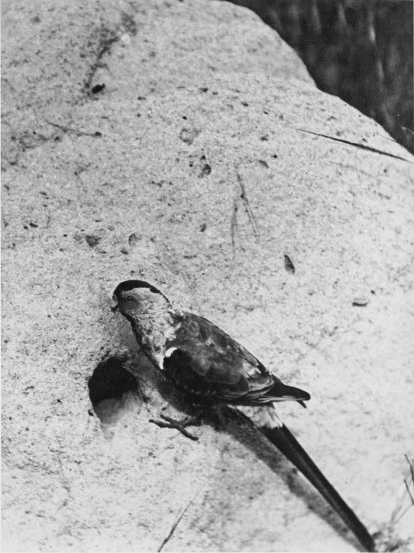
The Paradise Parrot is renowned for its vibrant plumage, making it one of the easiest parrots to identify, yet historically, it was also one of the most elusive. Adults boast a dazzling array of colors, including a bright turquoise blue on the wings and tail, a vivid scarlet red on the underparts, and a green back. The male and female are similar in appearance, though the female exhibits slightly duller hues, especially in the belly and tail regions. Juveniles resemble adults but have more subdued colors, lacking the full brilliance of mature birds.
Confusion with other parrot species primarily occurs with the closely related Mulga Parrot, whose range overlaps slightly with the historical range of the Paradise Parrot. However, the Mulga Parrot lacks the intense red coloration of the Paradise Parrot, providing a key distinguishing feature. In flight, the Paradise Parrot's silhouette is characterized by long, pointed wings and an elongated tail, contributing to its distinctive appearance. When perched, its upright posture and elegant profile make it unmistakable among birdwatchers familiar with its traits.
Having trouble telling birds apart? Upload a photo to our bird identification tool for an instant species match.
Paradise Parrot Habitat and Range
Preferred Habitat
The Paradise Parrot favored open, grassy woodlands, particularly areas where eucalypt trees provided both shelter and food resources. These habitats were typically found in the warm, semi-arid regions of eastern Australia, predominantly in Queensland and New South Wales. The bird was often seen at elevations ranging from sea level to about 500 meters, where it could exploit the diverse plant life for sustenance.
Seasonal shifts in habitat use were likely linked to food availability, with the Paradise Parrot moving between different areas to maximize access to flowering plants and seed-bearing grasses. While not typically found in urban environments, the parrot's presence in rural landscapes underscored its adaptability to varied yet specific ecological niches.
Geographic Range
Historically, the Paradise Parrot's range was limited to eastern Australia, primarily in the states of Queensland and northern New South Wales. Within these regions, it occupied a narrow corridor of open woodland and savanna habitats. The parrot's breeding range aligned closely with its year-round habitats, as it did not migrate long distances, instead relying on local movements to access resources.
Population density was highest in areas where natural grasslands and woodlands met, allowing the bird to take advantage of the diverse flora. Unfortunately, habitat destruction and fragmentation have significantly impacted the historical range, with the last confirmed wild sightings occurring in the 1920s, leading to its presumed extinction in the wild today.
Want to know which birds visit your area? Browse our backyard birds by location guides for region-specific species lists.
What Does the Paradise Parrot Eat?
The Paradise Parrot had a varied diet primarily composed of seeds from native grasses, such as those from the speargrass (Heteropogon spp.) and kangaroo grass (Themeda spp.). Its diet also included flowers, fruits, and occasionally insects, which provided essential protein during the breeding season. Seasonal changes in food availability influenced the parrot's foraging patterns, prompting movements within its range to locate optimal feeding grounds.
Foraging typically occurred in the early morning and late afternoon, times when temperatures were cooler and food availability was at its peak. The parrot employed a methodical ground-feeding technique, often seen walking along the ground in search of fallen seeds and other edible items. This behavior made it susceptible to predation but also allowed it to play a significant role in seed dispersal and the maintenance of its habitat's plant diversity.
Paradise Parrot Behavior and Social Structure
Paradise Parrots exhibited a complex social structure, historically forming small flocks outside of the breeding season. These groups were composed of family units that maintained strong bonds, often foraging together and roosting in close proximity. During the breeding season, pairs became territorial, defending nesting sites vigorously against intruders.
Courtship displays were elaborate, with males showcasing their vibrant plumage through a series of aerial maneuvers and calls to attract potential mates. Once paired, the bond between partners was strong, often lasting for multiple breeding seasons. The birds demonstrated a high level of parental care, with both male and female participating in feeding and protecting the young.
Paradise Parrots were diurnal, with activity peaks in the morning and late afternoon. Their response to predators included a series of alarm calls and evasive flight patterns, designed to confuse and deter threats. Flocking provided safety in numbers, as individuals could alert each other to potential dangers.
Paradise Parrot Nesting and Reproduction
Paradise Parrots were cavity nesters, preferring hollows in large eucalypt trees for their nesting sites. These cavities offered protection from predators and harsh weather conditions. The parrot's choice of nesting sites often reflected its dependence on mature woodland habitats that supported the growth of large, hollow-bearing trees.
The typical clutch size for the Paradise Parrot ranged from three to five eggs, with an incubation period of approximately 21 to 23 days. Both parents shared incubation duties, ensuring that the eggs remained at a constant temperature. After hatching, the young fledged roughly four weeks later, during which time they were fed by both parents. The species usually produced one brood per year, although favorable conditions could lead to a second brood.
Paradise Parrot Sounds and Vocalizations
The Paradise Parrot's primary song featured a series of melodic, flute-like notes with a rhythmic quality that was both distinctive and melodious. These songs were often delivered from high perches, serving to establish territory and attract mates. The bird's call notes were softer, consisting of gentle 'chip' sounds used primarily for communication within the flock.
Alarm calls were sharper and more urgent, alerting other members of the group to potential threats. During the dawn chorus, which was a prominent feature of its daily routine, the Paradise Parrot's song carried over long distances, helping to reinforce its presence within the territory.
Interesting Facts About the Paradise Parrot
- 1The Paradise Parrot was one of the few Australian parrots known to build its nest underground, a behavior rarely seen in other parrot species.
- 2Historical records describe the Paradise Parrot as tame and approachable, often allowing humans to come within a few feet.
- 3The last confirmed sighting of the Paradise Parrot occurred in 1927, despite numerous unverified reports since then.
- 4The parrot's vibrant plumage made it a target for collectors, contributing to its decline in the early 20th century.
- 5Paradise Parrots were known to feed primarily on seeds, but they also played a role in pollinating certain eucalypt species.
- 6This bird was named for its striking appearance, reminiscent of the mythical birds of paradise found in New Guinea.
- 7Efforts to rediscover the Paradise Parrot have included extensive surveys across its former range, using both traditional and novel methods.
Paradise Parrot Conservation Status
The Paradise Parrot is currently listed as critically endangered and is feared extinct in the wild. Historically, the population declined rapidly due to habitat destruction, primarily from agricultural expansion and land clearing. Introduced species, such as foxes and cats, further exacerbated the decline by preying on eggs and young birds. Conservation efforts have focused on habitat restoration and the search for any remaining populations. Initiatives include the protection of remnant woodland habitats and public awareness campaigns to highlight the importance of conserving Australia's avian biodiversity. Despite no confirmed sightings in decades, the Paradise Parrot remains a symbol of conservation challenges and successes.


