
Rosy-throated Longclaw
Macronyx ameliae
Order: Passeriformes / Family: Motacillidae
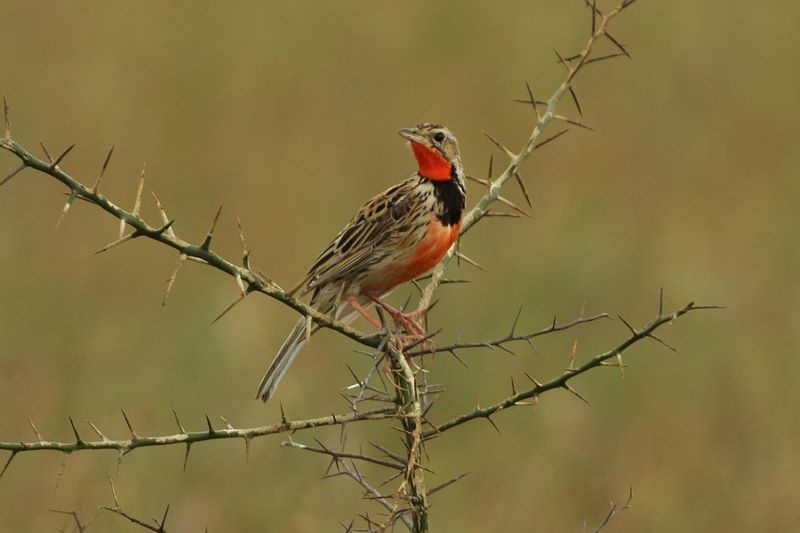
Wikimedia Commons
About the Rosy-throated Longclaw
The Rosy-throated Longclaw, scientifically known as Macronyx ameliae, is a captivating bird belonging to the family Motacillidae. This species finds its niche within the expansive grasslands of sub-Saharan Africa, where its striking pink throat serves as a beacon against the earthy backdrop of its habitat. The longclaw plays a crucial role within its ecosystem, acting both as a predator of insects and as prey for larger birds. Found predominantly in countries such as Botswana, Zimbabwe, and Mozambique, the Rosy-throated Longclaw thrives in regions where tall grasses offer both food and cover. Outside of the breeding season, these birds may be seen in less dense grasslands, often moving in small flocks. The longclaw contributes to the biodiversity of these areas, aiding in insect population control and providing a food source for predators.
The ecological significance of the Rosy-throated Longclaw is underscored by its role in the food web. By preying on a variety of insects, including beetles and grasshoppers, it helps maintain a balance within its environment. In return, it serves as prey for raptors and other larger birds, highlighting its place in the intricate web of life in African grasslands. This species is not migratory, which means it remains in its preferred habitats year-round, adapting to seasonal changes in food availability and vegetation. During the breeding season, the vibrant pink of the male's throat becomes even more pronounced, a visual cue used in mating displays.
Furthermore, the Rosy-throated Longclaw's presence indicates a healthy grassland ecosystem. Grasslands are increasingly threatened by agriculture and urbanization, but where the longclaw thrives, it signifies a relatively undisturbed environment. These birds also contribute to seed dispersal, indirectly supporting plant diversity. Their preference for open grasslands aligns them with regions that have a mix of tall grasses and scattered shrubs, areas often rich in biodiversity. The Rosy-throated Longclaw thus acts as both a participant in and an indicator of ecosystem health, emphasizing the importance of conservation efforts in maintaining these habitats.
The Rosy-throated Longclaw belongs to the family Motacillidae, within the order Passeriformes. These birds typically live approximately 5-7 years in the wild..
How to Identify a Rosy-throated Longclaw
Identifying the Rosy-throated Longclaw involves noting its unique and vibrant features. Adults sport a distinctive rosy-pink throat patch, which contrasts sharply with their otherwise brown-streaked upperparts. This pink coloration extends to the breast, while the belly remains a paler shade. The back features a more muted pattern of browns and blacks, blending seamlessly with their grassy surroundings. The white outer tail feathers are conspicuous in flight, aiding in identification.
Both male and female Rosy-throated Longclaws exhibit similar plumage, though males often display a slightly brighter pink throat, especially during the breeding season. Juveniles, by contrast, lack the rosy throat patch, instead showing a more uniformly brown plumage, which can lead to confusion with similar grassland species. However, their more pointed and elongated bills differentiate them from some of their relatives.
In terms of posture, the Rosy-throated Longclaw is often seen perched upright on grass stems or low shrubs, scanning the area for prey. Its flight is characterized by a bouncing motion, accentuated by the display of its white tail feathers. The silhouette is slender, with a relatively long tail and a head that appears slightly flat due to its bill shape. This combination of features differentiates it from similar-looking species within its range.
Having trouble telling birds apart? Upload a photo to our bird identification tool for an instant species match.
Rosy-throated Longclaw Habitat and Range
Preferred Habitat
The Rosy-throated Longclaw thrives in open grasslands, where its camouflaged plumage offers protection amidst the tall grasses. These habitats are primarily found in the floodplains and savannah regions of sub-Saharan Africa. The longclaw prefers areas where grasses grow tall and dense, providing both nesting sites and ample foraging opportunities. In countries like Botswana and Zimbabwe, these grasslands are interspersed with scattered shrubs and occasional water bodies, creating a mosaic that supports diverse wildlife.
While the Rosy-throated Longclaw does not typically venture into urban areas, its presence is noted in rural landscapes where agriculture does not dominate. During the dry season, these birds may shift slightly in their habitat preference, seeking areas where grasses remain lush and green, often near water sources or in regions with seasonal flooding.
In elevation, the Rosy-throated Longclaw is usually found at lower to mid-elevations, avoiding mountainous regions where vegetation differs significantly from its preferred grassland environment. The consistency of their habitat preference underscores the importance of grassland conservation in maintaining their populations.
Geographic Range
The Rosy-throated Longclaw's range is restricted to the grasslands of sub-Saharan Africa, with significant populations in Botswana, Zimbabwe, Mozambique, and parts of South Africa. This bird is non-migratory, residing year-round in these regions, which are characterized by a mix of savannah and floodplain ecosystems. Within these areas, the bird is most commonly found in regions where tall grasses dominate, providing the necessary cover for nesting and foraging.
While its range is relatively concentrated, the Rosy-throated Longclaw can be locally abundant in suitable habitats. In Zimbabwe, the Zambezi floodplains represent a population density hotspot, where the combination of water availability and grassland expanse supports a thriving longclaw community. Similarly, the Okavango Delta in Botswana offers an ideal environment due to its seasonal flooding, which replenishes the grasslands and attracts a range of avian species.
Despite its relatively stable range, the Rosy-throated Longclaw faces pressures from habitat degradation. As agricultural practices expand and grasslands are converted to farmlands, the bird's habitat becomes fragmented, potentially affecting its distribution. Conservation efforts focused on preserving these vital grassland regions are essential for maintaining the longclaw's range and population.
Want to know which birds visit your area? Browse our backyard birds by location guides for region-specific species lists.
What Does the Rosy-throated Longclaw Eat?
The diet of the Rosy-throated Longclaw primarily consists of insects, which it adeptly hunts in its grassland habitat. Grasshoppers, beetles, and caterpillars form the bulk of its diet, with the bird employing a methodical approach to foraging. Walking deliberately through tall grasses, the longclaw utilizes its sharp vision and quick reflexes to catch insects flushed from their hiding spots.
Seasonal changes affect the availability of its food sources, with wet seasons bringing an abundance of insects. During these times, the Rosy-throated Longclaw's diet may expand to include a wider variety of arthropods. In drier months, the bird may increase its search radius or focus on areas where water persists, such as riverbanks or marsh edges, where insects congregate.
Prey size varies, but the longclaw typically targets insects small enough to be swallowed whole. Its feeding schedule is primarily diurnal, with peak activity during the early morning and late afternoon, coinciding with cooler temperatures and increased insect activity. This diurnal pattern also minimizes competition with nocturnal insectivores.
Rosy-throated Longclaw Behavior and Social Structure
The Rosy-throated Longclaw exhibits a range of behaviors that highlight its adaptation to grassland life. Socially, these birds are often seen in small groups outside the breeding season, though they display territorial behavior during nesting periods. Males establish and defend territories through song and visual displays, often perching on elevated grass stems to broadcast their presence.
Courtship involves elaborate displays, with males showcasing their rosy throats and performing aerial maneuvers to attract females. Once paired, the bond between mates is strong, with both participating in nest building and chick rearing. The longclaw's response to predators includes both vocal alarm calls and evasive flight, using its white tail feathers to signal danger to others nearby.
Daily activity patterns are centered around foraging, with peak feeding times occurring during the cooler parts of the day. The bird's tendency to remain low in the grasses provides camouflage from aerial predators, while its sharp calls alert others to potential threats. Flocking behavior is more pronounced outside the breeding season, as birds rove in loose groups, searching for food and water sources.
Rosy-throated Longclaw Nesting and Reproduction
Rosy-throated Longclaws construct their nests on the ground, hidden within the dense grassland vegetation. The nest is a cup-like structure, meticulously woven from grasses and lined with softer materials to cushion the eggs. Nest sites are chosen with care, often in areas where grass provides both concealment and protection from the elements.
Clutch size ranges from two to four eggs, with both parents sharing incubation duties, which last approximately two weeks. The eggs are pale with speckled markings, blending in with the surrounding vegetation. Once hatched, chicks remain in the nest for another two weeks, during which both parents actively bring food.
Parental roles are shared, with both male and female feeding the young and maintaining the nest. The longclaw typically raises one brood per breeding season, though favorable conditions may allow for a second. Nest predation by snakes and small mammals poses a significant threat, and the birds are vigilant in protecting their young from such dangers.
Rosy-throated Longclaw Sounds and Vocalizations
The Rosy-throated Longclaw is known for its melodious song, a series of clear, whistling notes that rise and fall in pitch. This primary song serves both to attract mates and to establish territory boundaries. The rhythm is consistent, with pauses between phrases creating a lilting quality that carries well across the grasslands.
Call notes are sharp and distinct, often used to signal alarm or communicate with other longclaws. These calls are typically shorter and more abrupt than the song, serving as alerts to predators or disturbances. During the dawn chorus, the Rosy-throated Longclaw's song is particularly prominent, its notes merging with those of other grassland species to create a vibrant morning symphony.
Compared to familiar sounds, the longclaw's song resembles the whistling of a meadowlark, though with a more musical quality. It is a defining feature of the bird, contributing to its allure and aiding in its identification amidst the dense grassland habitat.
Interesting Facts About the Rosy-throated Longclaw
- 1The Rosy-throated Longclaw's bright throat is not just for show; it plays a key role in courtship displays, helping males attract mates.
- 2Despite its bright colors, the Rosy-throated Longclaw blends remarkably well with its grassland habitat, thanks to its streaked back.
- 3These birds are central to their ecosystem, controlling insect populations and acting as prey for larger birds such as hawks.
- 4Unlike many grassland birds, the Rosy-throated Longclaw does not migrate, instead adapting to seasonal changes in its environment.
- 5The species is named for its distinctive long claws, which aid in gripping the long grasses where it perches and forages.
- 6Rosy-throated Longclaws often form small flocks outside of breeding season, increasing their efficiency in locating food and water.
- 7Their song, reminiscent of a meadowlark, is a defining feature that can be heard echoing across their grassland habitats.
Rosy-throated Longclaw Conservation Status
The Rosy-throated Longclaw is currently listed as Least Concern by the IUCN, indicating a stable population across its range. However, ongoing habitat loss due to agricultural expansion and urbanization poses a significant threat. Conservation efforts focus on protecting large grassland areas and promoting sustainable land-use practices. Historically, the longclaw's population has remained relatively stable, yet localized declines in areas with intensive land conversion highlight the need for continued vigilance. Grassland reserves and protected areas play a crucial role in maintaining suitable habitats for the species, allowing it to thrive despite external pressures. Efforts to raise awareness about the ecological importance of grasslands and the species they support are vital. By fostering an understanding of the Rosy-throated Longclaw's role within its ecosystem, conservationists aim to secure a future where these vibrant birds can continue to flourish.
Other Motacillidae Species

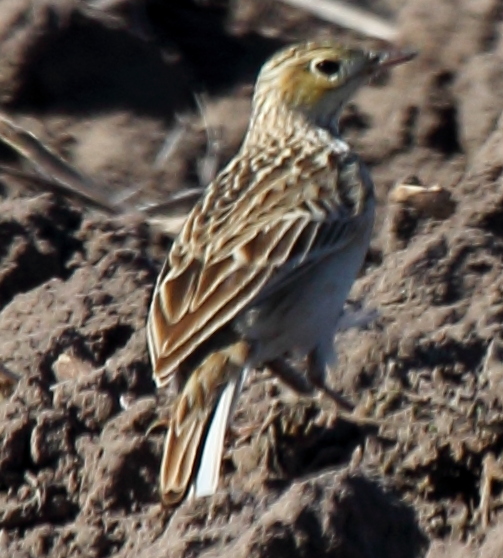


Birds Similar to the Rosy-throated Longclaw
These species are often confused with the Rosy-throated Longclaw due to similar appearance or overlapping range.
