
Rufous-browed Peppershrike
Cyclarhis gujanensis
Order: Passeriformes / Family: Vireonidae

Wikimedia Commons
About the Rufous-browed Peppershrike
The Rufous-browed Peppershrike (Cyclarhis gujanensis) is a notable member of the Vireonidae family, recognized for its remarkable adaptability and presence across a wide range of habitats in the Americas. This species thrives in both tropical and subtropical environments, often observed in forests, woodlands, and scrublands. Its adaptability extends to urban parks and gardens, where it readily exploits available resources. The Rufous-browed Peppershrike plays a vital ecological role, contributing to insect population control through its foraging habits. Its widespread distribution includes regions from Mexico through Central America to Argentina, spanning a variety of elevations from sea level to approximately 2,500 meters. The bird's territorial song, a melodious and repetitive sequence, serves both as a mate attraction mechanism and a territorial defense strategy. Seasonal behaviors of the Rufous-browed Peppershrike are marked by subtle shifts in diet and habitat preference, although it remains relatively sedentary throughout its range. Its presence in diverse habitats underscores its significance as a resilient and adaptable species, capable of thriving amidst environmental changes and human encroachment. The Rufous-browed Peppershrike remains a subject of interest for both ornithologists and birdwatchers due to its unique vocalizations and widespread distribution.
The Rufous-browed Peppershrike belongs to the family Vireonidae, within the order Passeriformes. These birds typically live average 5-7 years, with a maximum recorded of 10 years..
How to Identify a Rufous-browed Peppershrike
The Rufous-browed Peppershrike is easily recognizable by its prominent rufous eyebrow, which contrasts with its olive-green upperparts and yellowish underparts. Adults typically exhibit a stout, hooked bill, ideal for foraging insects and other small prey. Males and females are similar in appearance, with no significant sexual dimorphism. Juveniles may show a slightly duller coloration but retain the distinctive eyebrow characteristic. In flight, the Rufous-browed Peppershrike displays a compact silhouette, often flitting between branches with short, direct flights. Perching postures are typically upright, allowing easy observation of its defining field marks. Confusion with similar species is rare, though it may be mistaken for other vireo species. However, the rufous eyebrow and hooked bill are reliable distinguishing features.
Having trouble telling birds apart? Upload a photo to our bird identification tool for an instant species match.
Rufous-browed Peppershrike Habitat and Range
Preferred Habitat
The Rufous-browed Peppershrike inhabits a variety of environments, from dense forests and secondary growth to open woodlands and scrubby areas. It thrives in both lowland and montane regions, often found at elevations ranging from sea level to 2,500 meters. This adaptability allows it to exploit various ecological niches, including urban parks and gardens where sufficient tree cover exists. Seasonal habitat shifts are minimal, as the species is non-migratory, maintaining a year-round presence within its range.
Geographic Range
The breeding range of the Rufous-browed Peppershrike extends from southern Mexico through Central America, into the majority of South America, reaching as far south as Argentina. It is a year-round resident in most areas, with no significant migration patterns. Population densities are typically higher in regions with ample forest cover and insect abundance, such as the Amazon Basin and the Atlantic Forest. While not concentrated in specific hotspots, its widespread presence makes it a common sight across its range.
Want to know which birds visit your area? Browse our backyard birds by location guides for region-specific species lists.
What Does the Rufous-browed Peppershrike Eat?
Primarily insectivorous, the Rufous-browed Peppershrike feeds on a variety of insects, including beetles, caterpillars, and spiders. It employs a methodical gleaning technique, searching foliage and twigs for prey. During certain times of the year, its diet may expand to include fruits and seeds, particularly when insect availability is reduced. The species typically forages alone or in pairs, actively searching throughout the day, with peak feeding occurring in the early morning and late afternoon.
Rufous-browed Peppershrike Behavior and Social Structure
The Rufous-browed Peppershrike exhibits a solitary or paired social structure outside the breeding season. Territorial behavior is prominent, with individuals defending their space through vocal displays and occasional physical confrontations. During courtship, males engage in song displays, often accompanied by wing flicking and other visual cues. Flocking is uncommon, though small groups may form at abundant food sources. The species shows alertness to predators, often using alarm calls to warn others. Daily activity patterns align with diurnal cycles, active primarily during daylight hours.
Rufous-browed Peppershrike Nesting and Reproduction
Nesting occurs in well-concealed sites, often within dense foliage. The Rufous-browed Peppershrike constructs a cup-shaped nest using twigs, grasses, and spider silk. Preferred nest locations include the fork of a tree branch or dense shrubbery. Clutch size typically ranges from two to four eggs, with an incubation period of approximately 14 days. Both parents participate in feeding and caring for the young, which fledge after about 15 to 18 days. The species may produce up to two broods per year, depending on environmental conditions.
Rufous-browed Peppershrike Sounds and Vocalizations
The primary song of the Rufous-browed Peppershrike is a series of melodious, whistled notes, often described as resembling 'tree-top' calls. These vocalizations are typically repeated in a consistent rhythm, serving both territorial and mate attraction purposes. Call notes are sharp and distinct, used in communication between mates and as alarm calls when predators are nearby. The species is known for its participation in the dawn chorus, contributing to the symphony of sounds that characterize tropical mornings.
Interesting Facts About the Rufous-browed Peppershrike
- 1The Rufous-browed Peppershrike's song can be heard over long distances, often up to 500 meters.
- 2Despite its small size, the Rufous-browed Peppershrike can live for up to 10 years in the wild.
- 3This species exhibits a unique foraging technique, often hanging upside down to reach prey on the undersides of leaves.
- 4The Rufous-browed Peppershrike is known to mimic the calls of other bird species, adding complexity to its vocal repertoire.
- 5During breeding season, males can sing up to 100 times per hour to establish and defend territory.
- 6The Rufous-browed Peppershrike is one of the few birds that can comfortably inhabit both deep forests and urban environments.
- 7It has been observed using its strong bill to pry open insect galls on leaves, showcasing its adaptability in foraging.
Rufous-browed Peppershrike Conservation Status
Currently listed as Least Concern by the IUCN, the Rufous-browed Peppershrike maintains a stable population. However, habitat destruction due to deforestation poses a potential threat. Conservation efforts focus on habitat preservation and restoration, particularly in areas like the Atlantic Forest. Historically, the species has shown resilience, adapting to changing environments, which bodes well for its future survival.
Other Vireonidae Species
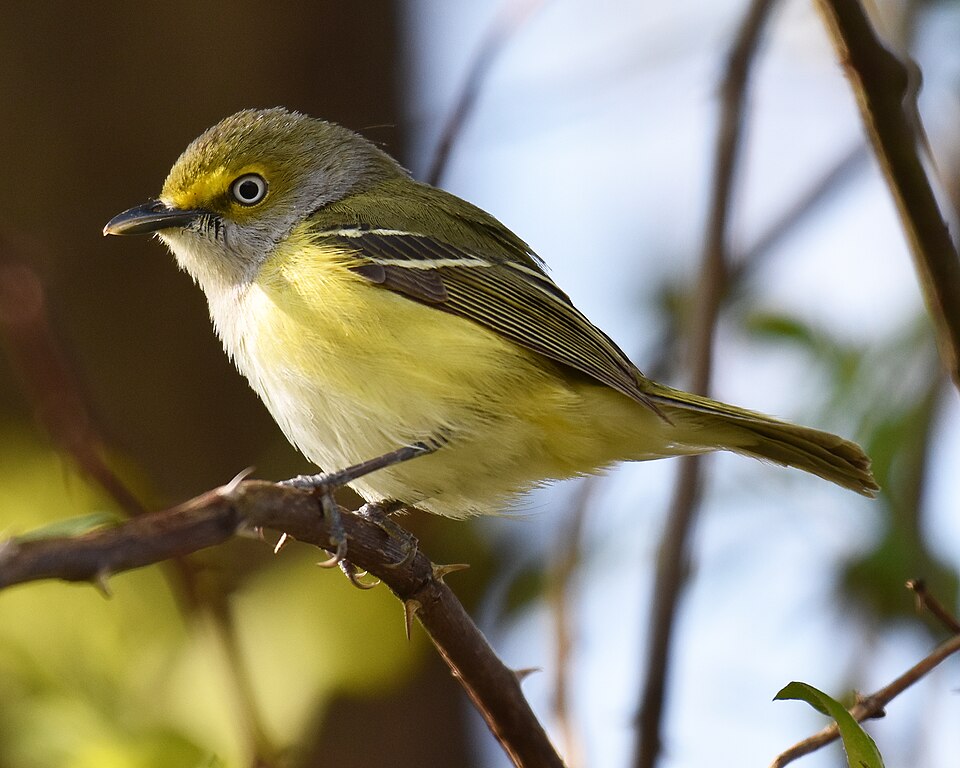

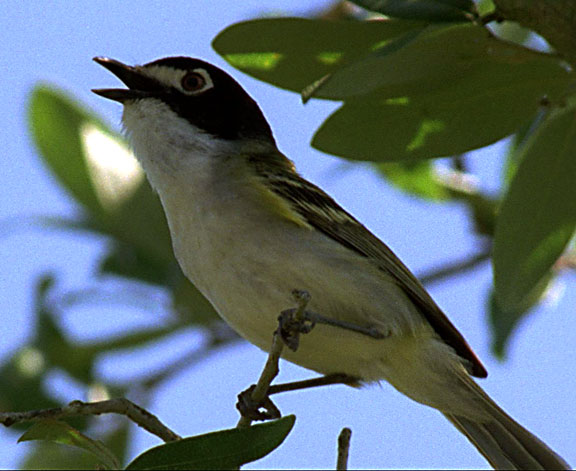

Birds Similar to the Rufous-browed Peppershrike
These species are often confused with the Rufous-browed Peppershrike due to similar appearance or overlapping range.