
Talaud Rail
Gymnocrex talaudensis
Order: Gruiformes / Family: Rallidae
Wikimedia Commons
About the Talaud Rail
The Talaud Rail, scientifically known as Gymnocrex talaudensis, is a lesser-known species belonging to the family Rallidae. This rail is endemic to the Talaud Islands in Indonesia, situated north of Sulawesi, where it inhabits dense forest undergrowth. The ecological significance of the Talaud Rail lies in its role as both a predator and a seed disperser. Its presence indicates a healthy ecosystem, contributing to the complex tapestry of life within these tropical forests.
The Talaud Rail is a ground-dwelling bird that prefers the thick cover of lowland rainforests. It thrives in these humid environments, where the dense vegetation provides ample foraging opportunities and protection from predators. The bird's elusive nature and preference for dense habitats make it a rare sight, even for experienced birdwatchers. However, its role in controlling insect populations and aiding in seed dispersal underscores its importance within its native ecosystem.
Seasonal behaviors of the Talaud Rail include shifts in foraging patterns and potential local movements in response to food availability. During wetter months, when insect populations burgeon, the rail may be more active during daylight hours as it exploits these resources. Conversely, in drier periods, it may retreat deeper into the forest or adjust its activity to cooler parts of the day to conserve energy. The Talaud Rail's adaptability to these fluctuating conditions highlights its evolutionary success in a challenging and competitive environment.
The Talaud Rail belongs to the family Rallidae, within the order Gruiformes. These birds typically live 7-9 years, with a maximum recorded of 10 years..
How to Identify a Talaud Rail
The Talaud Rail is a medium-sized bird characterized by its predominantly dark plumage, which provides excellent camouflage within the dense forest floor. Adults display a rich blend of black and dark brown, with subtle iridescent sheen on their back feathers. The bird's underparts are slightly lighter, aiding further in its blending with the shaded understory of its habitat.
Juvenile Talaud Rails are similar in overall coloration but often appear slightly duller, with less pronounced iridescence. There are no significant differences in plumage between males and females, which can complicate field identification. However, their size and behavior can offer clues-males are typically slightly larger, and during the breeding season, they may be more vocal.
Potential confusion with other rail species is unlikely due to the limited range of Gymnocrex talaudensis. However, its silhouette in flight is distinct, with short, rounded wings and a rapid wingbeat. When perched, it often adopts a horizontal posture, staying close to the ground. This posture, combined with its unique coloration, helps to distinguish the Talaud Rail from other forest-dwelling birds.
Having trouble telling birds apart? Upload a photo to our bird identification tool for an instant species match.
Talaud Rail Habitat and Range
Preferred Habitat
The Talaud Rail is primarily found in lowland tropical rainforests on the Talaud Islands. These forests provide dense undergrowth and a humid climate ideal for the species. The rail prefers areas with thick leaf litter and abundant ground cover, which offer both food and protection. It typically resides at elevations below 500 meters, where the forest is richest in biodiversity.
Seasonal habitat shifts are minimal for the Talaud Rail, as its range remains largely constant throughout the year. Unlike many other bird species, it does not adapt well to human-altered environments, which limits its presence in urban or rural areas. Conservation of its forest habitat is crucial for its survival, given its specialized habitat requirements.
Geographic Range
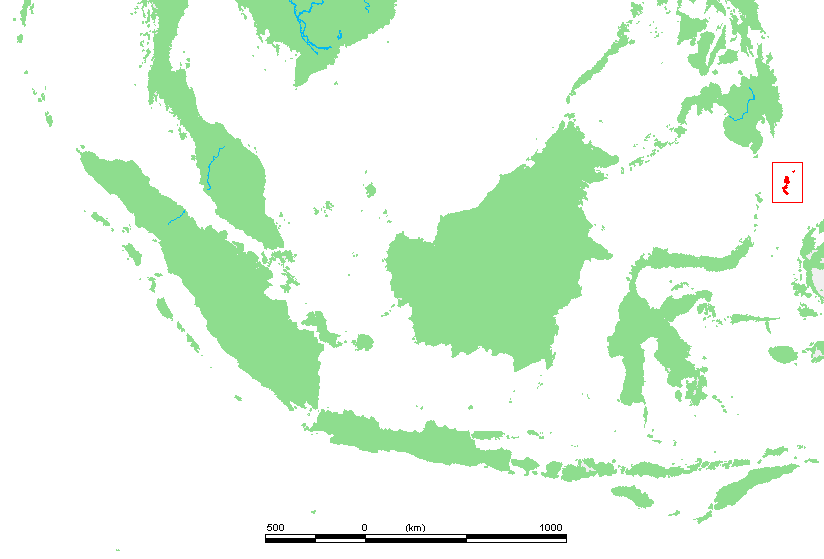
The Talaud Rail's range is restricted to the Talaud Islands, an archipelago in Indonesia situated between Sulawesi and the Philippines. This limited distribution makes the species particularly vulnerable to habitat changes and other environmental pressures. Within these islands, it occupies dense forest regions, with a particular affinity for areas untouched by logging or agricultural expansion.
The species does not undertake long migrations but may exhibit minor local movements within the islands in response to seasonal changes in food availability. Population density is highest in undisturbed forest areas, where human impact remains minimal. Conservation efforts are critical in these regions to ensure the rail's continued survival.
Want to know which birds visit your area? Browse our backyard birds by location guides for region-specific species lists.
What Does the Talaud Rail Eat?
The Talaud Rail's diet primarily consists of small invertebrates and insects, which it forages for amid the leaf litter of the forest floor. Beetles, ants, and termites constitute a major portion of its diet, especially during the wet season when these prey are most abundant. The rail employs a methodical foraging technique, using its beak to probe and turn over leaves and debris in search of hidden prey.
In addition to insects, the Talaud Rail consumes seeds and small fruits, making it an important seed disperser within its ecosystem. Seasonal variations in food availability influence its diet, with a greater emphasis on plant material during drier months when insect prey is less plentiful. Its ability to adapt its feeding habits to the changing availability of food sources is a testament to its resilience.
Talaud Rail Behavior and Social Structure
The Talaud Rail exhibits predominantly solitary behavior, with individuals often encountered alone or in pairs rather than in flocks. This reclusive nature contributes to its elusive reputation among birdwatchers. The rail is territorial, and during the breeding season, males may become more vocal to defend their territory and attract a mate.
Courtship displays are subtle and involve both vocalizations and physical posturing, with males showcasing their plumage to potential mates. The Talaud Rail is primarily diurnal, although it may exhibit crepuscular activity during the hotter months to avoid the midday heat. When threatened, it relies on its camouflage and the dense undergrowth to escape predators rather than flight.
Daily activity patterns include periods of foraging interspersed with rest and preening. The rail's secretive nature means it often goes unnoticed, even in areas where it is relatively common. Its behavior is a fascinating aspect of its ecology, offering insights into the adaptations necessary for survival in a dense tropical forest.
Talaud Rail Nesting and Reproduction
The Talaud Rail constructs its nest on the ground, often concealed within dense vegetation to protect it from predators. The nest consists of a shallow depression lined with leaves, twigs, and other plant materials that blend seamlessly into the forest floor.
A typical clutch consists of two to three eggs, which both parents incubate over a period of approximately 18 to 21 days. The eggs are pale with speckled markings, providing additional camouflage. Once hatched, the chicks are precocial, leaving the nest shortly after hatching to follow their parents in search of food.
Parental care is shared, with both the male and female involved in feeding and protecting the young. The fledging period is relatively short, with chicks becoming independent after about three weeks. The Talaud Rail typically raises one brood per year, although successful rearing depends heavily on environmental conditions and food availability.
Talaud Rail Sounds and Vocalizations
The primary vocalization of the Talaud Rail is a soft, repetitive cooing, reminiscent of a distant dove. This call serves both territorial and mating functions, particularly prominent during the breeding season. In addition to its song, the rail emits a series of short, sharp alarm calls when startled or threatened, alerting others to potential danger.
These calls are less melodious than the primary song, characterized by a harsher, more abrupt quality. During the dawn chorus, the Talaud Rail's voice often blends with the cacophony of rainforest sounds, making identification challenging without visual confirmation. Compared to other rails, its vocalizations are subtle, reflecting its elusive nature.
Interesting Facts About the Talaud Rail
- 1The Talaud Rail has one of the smallest known ranges of any rail species, limited solely to the Talaud Islands.
- 2Despite its elusive nature, the Talaud Rail plays a crucial role in its ecosystem by controlling insect populations.
- 3The species was only described scientifically in the late 20th century, highlighting its elusive nature.
- 4The rail's dark plumage provides excellent camouflage against the forest floor, aiding in its secretive lifestyle.
- 5The Talaud Rail's diet shifts with the seasons, showcasing its adaptability to changing environmental conditions.
- 6Both male and female Talaud Rails participate equally in incubating eggs and feeding chicks.
- 7The primary threat to the Talaud Rail is habitat loss, emphasizing the need for conservation action.
Talaud Rail Conservation Status
Currently, the Talaud Rail is classified as Vulnerable by the International Union for Conservation of Nature (IUCN). The primary threats to its survival include habitat destruction due to deforestation and agricultural expansion on the Talaud Islands. These activities reduce the available habitat for the rail and increase the risk of predation and competition for resources. Population trends suggest a decline, driven by the ongoing loss of forest cover. Conservation efforts focus on habitat preservation and restoration, as well as raising awareness of the rail's ecological importance. Historically, the Talaud Rail's population has likely fluctuated in response to environmental changes, but recent human impacts pose unprecedented challenges.


