
Tropical Mockingbird
Mimus gilvus
Order: Passeriformes / Family: Mimidae
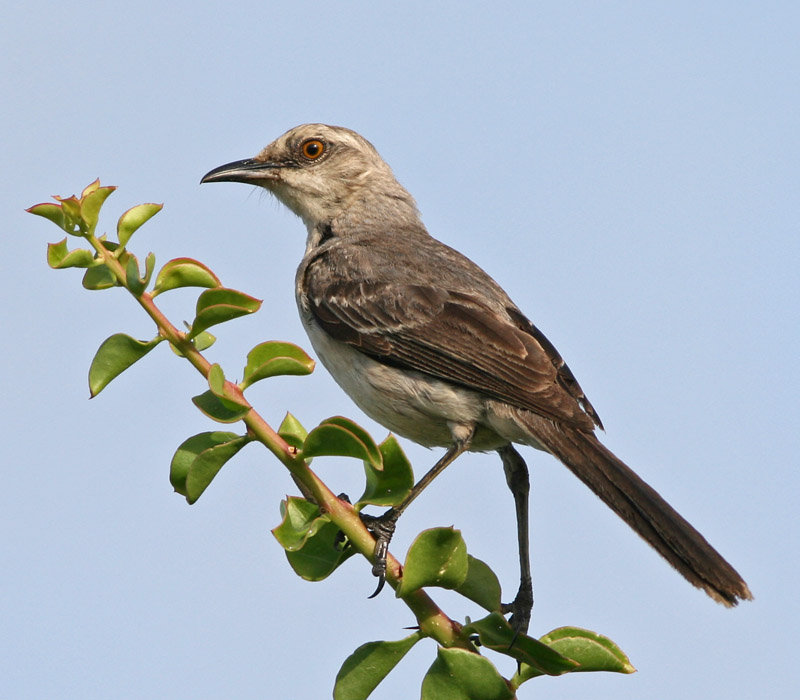
Wikimedia Commons
About the Tropical Mockingbird
The Tropical Mockingbird, scientifically known as Mimus gilvus, is a fascinating songbird native to the Americas, particularly prevalent in Central and South America. This bird is renowned for its vocal prowess, capable of mimicking a wide array of sounds, from other bird species to mechanical noises, which it incorporates into its own song repertoire. The Tropical Mockingbird plays a significant ecological role as an insectivore and frugivore, helping to control insect populations and dispersing seeds, contributing to the health of its ecosystems.
In terms of appearance, this species displays a sleek, gray plumage with a slightly paler belly, complemented by striking white wing bars and a long, expressive tail. These birds thrive in various habitats, from dry scrublands and open woodlands to urban areas, demonstrating remarkable adaptability. During the breeding season, which typically aligns with the onset of the rainy season, their vocal performances become even more fervent as males compete for mates and establish territories.
Tropical Mockingbirds are particularly abundant in regions such as the Yucatan Peninsula in Mexico, the Caribbean islands, and parts of northern South America. Their presence is marked by their conspicuous behavior and melodious vocalizations, making them a familiar sight and sound to local residents and birdwatchers alike. As they are not migratory, these birds maintain their territories year-round, contributing to the stability of their populations and the ecological balance of their habitats.
The Tropical Mockingbird belongs to the family Mimidae, within the order Passeriformes. These birds typically live average 6-8 years, with a maximum recorded of 12 years..
How to Identify a Tropical Mockingbird
Adult Tropical Mockingbirds are medium-sized songbirds with a distinct gray plumage that covers most of their body, while their underparts are a lighter gray or whitish color. Their wings are adorned with bold white patches that become evident in flight, contrasting sharply with their otherwise muted coloration. The long tail, often held upwards, is another distinguishing feature, with white edges and a dark central region. Differences between males and females are subtle, with males sometimes appearing slightly larger and more robust.
Juvenile Tropical Mockingbirds resemble adults but often have a browner hue and less defined wing patches, making them less conspicuous. The overall shape and size, however, remain consistent across age groups, aiding identification.
In flight, the Tropical Mockingbird displays a buoyant and agile style, often characterized by quick flaps and glides. When perched, they exhibit a confident stance, frequently flicking their tail and wings as part of their dynamic behavior. While similar in appearance to the Northern Mockingbird, Mimus polyglottos, the Tropical Mockingbird can be distinguished by its more southern range and slightly different vocalizations.
Having trouble telling birds apart? Upload a photo to our bird identification tool for an instant species match.
Tropical Mockingbird Habitat and Range
Preferred Habitat
Tropical Mockingbirds inhabit a wide range of environments, from coastal mangroves and dry savannas to urban gardens and parks. They are prevalent in lowland areas and are rarely found at elevations exceeding 1,500 meters. In coastal regions, they often frequent areas with scattered trees and shrubs, while in urban settings, they are common in backyards and public spaces where food and nesting opportunities abound.
Their adaptability allows them to thrive in areas with varying degrees of human activity, although they prefer open habitats where they can easily forage and display their territorial behaviors. During the breeding season, they may venture into denser thickets to find suitable nesting sites, but they generally favor open spaces for their daily activities.
Geographic Range
The Tropical Mockingbird's range extends across Central America, the Caribbean, and northern South America. They are commonly found from southern Mexico, including the Yucatan Peninsula, down through Central American countries like Belize and Guatemala, and into northern parts of South America such as Colombia and Venezuela. In the Caribbean, they inhabit islands such as Jamaica, Puerto Rico, and the Lesser Antilles.
Populations are typically non-migratory, establishing year-round territories in regions with suitable conditions. While they do not undertake long migrations, some local movements may occur in response to food availability or climatic conditions, allowing them to exploit different areas within their range.
Want to know which birds visit your area? Browse our backyard birds by location guides for region-specific species lists.
What Does the Tropical Mockingbird Eat?
Tropical Mockingbirds have a varied diet, primarily consuming insects and fruits. Insects such as beetles, grasshoppers, and caterpillars form the bulk of their protein intake, particularly during the breeding season when energy demands are high. Fruit consumption, including berries and small drupes, provides essential carbohydrates and sustenance during other times of the year.
These birds employ a foraging technique that involves hopping and running along the ground, probing the leaf litter, and occasionally catching prey mid-air. They are diurnal feeders, primarily active in the early morning and late afternoon when insect activity peaks. Seasonal changes in their diet reflect the availability of different food sources, showcasing their adaptability and resourcefulness.
Want to attract Tropical Mockingbirds to your yard? See our recommended feeders and seed types for the best results.
Tropical Mockingbird Behavior and Social Structure
Tropical Mockingbirds exhibit a range of intriguing behaviors, characterized by their social structure and vocal communication. While generally solitary or found in pairs, they may gather in loose flocks during non-breeding periods, especially around abundant food sources. Territoriality is a key aspect of their behavior, with males vigorously defending their domains through song and physical displays.
Courtship involves elaborate song performances and aerial displays, where males attempt to impress potential mates with their vocal and physical prowess. Once paired, both male and female participate in nest building and rearing the young, showcasing a cooperative breeding strategy.
In the presence of predators, these birds engage in mobbing behavior, using their numbers to harass and drive away potential threats. Their daily activity patterns are diurnal, with peak vocalizations occurring at dawn and dusk, which are crucial times for territory establishment and mate attraction.
Tropical Mockingbird Nesting and Reproduction
The nesting habits of the Tropical Mockingbird involve constructing cup-shaped nests in trees or shrubs, often at a height of 1 to 3 meters above the ground. They use a variety of materials, including twigs, grasses, and plant fibers, to create a sturdy structure that can withstand environmental pressures.
A typical clutch consists of 2 to 4 eggs, with an incubation period ranging from 12 to 14 days. Both parents share the responsibility of incubating the eggs and feeding the chicks once hatched. The fledging period lasts approximately two weeks, after which the young birds gradually gain independence while still relying on parental guidance.
Tropical Mockingbirds usually produce two broods per year, aligning their breeding efforts with favorable environmental conditions and food availability.
Tropical Mockingbird Sounds and Vocalizations
The Tropical Mockingbird is renowned for its complex and varied song, characterized by a series of melodious phrases and mimicry of other bird species, as well as environmental sounds. The song is delivered with a rhythmic pattern and fluctuating pitch, often composed of repeated sequences that showcase the bird's vocal dexterity.
In addition to their primary song, these mockingbirds produce a range of call notes, including sharp 'check' sounds used for communication between individuals. Alarm calls are harsher and more urgent, serving as a warning to others of potential danger.
During the dawn chorus, males are particularly active, using their vocal capabilities to assert territorial claims and attract mates. Their song, while varied, remains consistent enough to be recognizable, making them a prominent auditory presence in their habitats.
Interesting Facts About the Tropical Mockingbird
- 1Tropical Mockingbirds can mimic over 30 different bird species, showcasing their impressive vocal abilities.
- 2These birds are known to incorporate non-bird sounds into their songs, such as car alarms and ringing phones.
- 3Tropical Mockingbirds often build their nests in thorny bushes to protect against predators.
- 4In urban areas, they have been observed nesting in unusual locations, including on balconies and in hanging planters.
- 5They are capable of recognizing individual humans, responding differently to familiar and unfamiliar people.
- 6Despite their tropical range, these mockingbirds can tolerate a variety of climates, from arid zones to humid forests.
- 7Tropical Mockingbirds have a lifespan of up to 8 years in the wild, with some individuals reaching even older ages in captivity.
Tropical Mockingbird Conservation Status
Currently, the Tropical Mockingbird is listed as a species of Least Concern by the IUCN, with stable population trends across its range. The primary threats to this species include habitat destruction and fragmentation due to agricultural expansion and urban development. Despite these challenges, the Tropical Mockingbird's adaptability to various environments, including urban areas, helps buffer against significant population declines. Conservation efforts focus on preserving natural habitats and promoting urban green spaces to support their continued presence. Historical trends indicate that their populations have remained relatively stable over the years, benefiting from their capacity to exploit diverse food sources and habitats.
Attracting Tropical Mockingbirds to Your Feeder
The Tropical Mockingbird is a regular visitor to backyard bird feeders across its range. At the Eye On The Fly feeding station, we observe Tropical Mockingbirds regularly and capture footage with our feeder cameras.
Other Mimidae Species


Birds Similar to the Tropical Mockingbird
These species are often confused with the Tropical Mockingbird due to similar appearance or overlapping range.

