
Whistling Cisticola
Cisticola lateralis
Order: Passeriformes / Family: Cisticolidae
Wikimedia Commons
About the Whistling Cisticola
The Whistling Cisticola (Cisticola lateralis) stands out among the small passerines of the Cisticolidae family, primarily due to its distinctive vocalizations and adaptability to diverse habitats. This songbird is often found in open grasslands and savannas across West Africa, ranging from Senegal to Nigeria. Its presence is crucial within these ecosystems, where it plays a role in insect population control. The Whistling Cisticola, with its melodious calls, not only attracts birdwatchers but also contributes to the auditory landscape of its environment. Its diet consists largely of insects, which helps maintain ecological balance by controlling herbivorous insect populations. With its ability to thrive in secondary growth habitats, the Whistling Cisticola demonstrates a remarkable resilience to certain degrees of habitat alteration. During the breeding season, this bird is particularly active, engaging in elaborate courtship displays and vocalizations to establish territories. Its adaptability allows it to exploit a range of environments, from humid savannas to dry grasslands, thus ensuring its widespread presence across suitable regions. The Whistling Cisticola is a vital component of the West African avian community, not only for its ecological contributions but also for its cultural significance in local folklore and its appeal to naturalists and researchers alike. Throughout the year, this bird remains active, though its behaviors may vary with seasonal changes in climate and resource availability. During the rainy season, it is more conspicuous, taking advantage of the abundance of insects to feed its young. In contrast, during drier periods, it may exhibit more subdued behaviors as it focuses on survival. These seasonal shifts highlight the Whistling Cisticola's ability to adapt to environmental changes, ensuring its continued presence across its range.
The Whistling Cisticola belongs to the family Cisticolidae, within the order Passeriformes. These birds typically live average 3-4 years with a maximum recorded of 6 years..
How to Identify a Whistling Cisticola
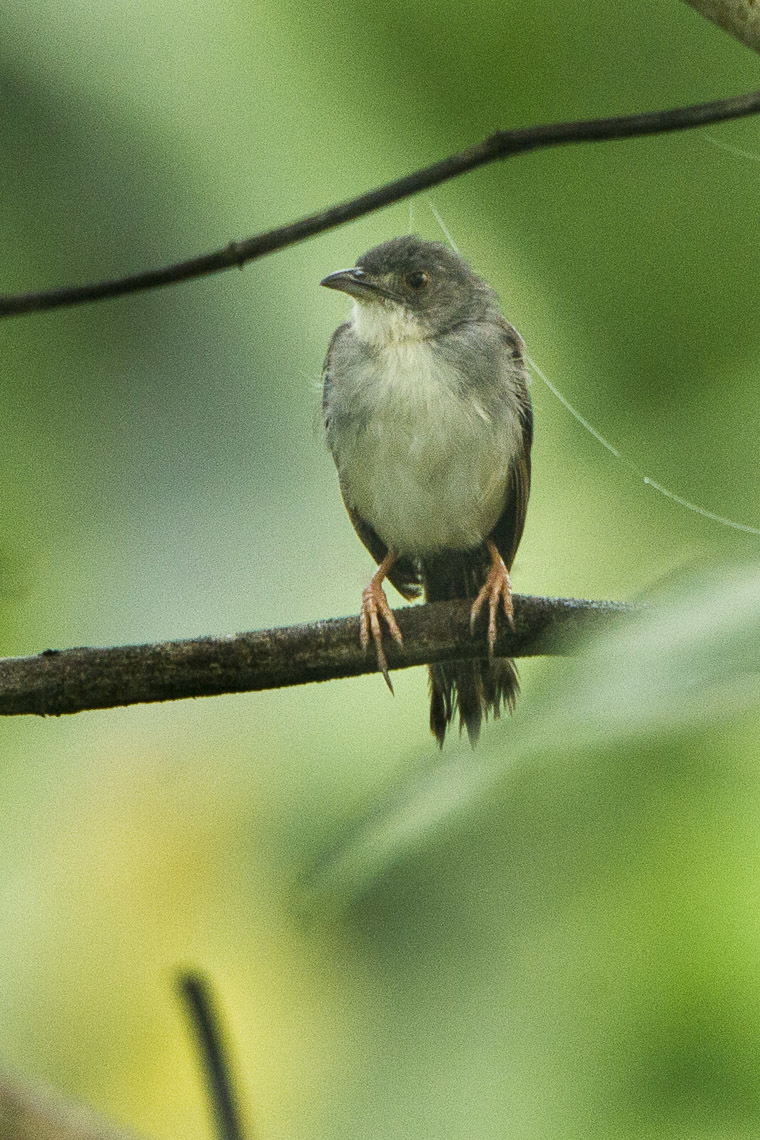
The Whistling Cisticola is a small, unobtrusive bird, with adults typically measuring around 11 cm in length. Its plumage is predominantly brown, with subtle streaks that provide effective camouflage in its grassy habitat. Notably, the species exhibits a lighter, buff-colored underbelly, which contrasts with the richer tones of its upper parts. Juveniles resemble adults, though they may appear slightly duller and less defined in their markings. There is little sexual dimorphism in this species, so males and females look quite similar, although males are typically more vocal. The Whistling Cisticola can be confused with other Cisticola species such as the Zitting Cisticola, but careful observation of its unique vocalizations and habitat preferences can usually resolve such confusion. In flight, the bird displays a quick, darting pattern characteristic of many grassland birds. When perched, it often holds a relatively upright posture, which aids in its identification.
Having trouble telling birds apart? Upload a photo to our bird identification tool for an instant species match.
Whistling Cisticola Habitat and Range
Preferred Habitat
The Whistling Cisticola primarily inhabits open grasslands and savannas, preferring areas with scattered bushes and tall grasses. It is frequently found in regions of West Africa, including countries such as Ghana, Ivory Coast, and Sierra Leone. This bird is adaptable to various elevations, from lowland plains to higher savanna plateaus. Although it prefers rural and less disturbed areas, it can also be found in agricultural landscapes, provided there is sufficient grass cover. Seasonal habitat shifts are minimal, as the bird is largely resident throughout its range, though it may move locally in response to environmental conditions such as drought or fire.
Geographic Range
The Whistling Cisticola's range extends across much of West Africa, from Senegal in the west to Nigeria in the east. It is a non-migratory species, with a stable presence in its range throughout the year. The bird is particularly common in countries like Liberia and Guinea, where suitable habitats are widespread. While it does not engage in long-distance migrations, it may undertake short, local movements to exploit new feeding areas or as a response to seasonal habitat changes. Population densities are generally higher in areas where grasslands remain intact and human disturbance is minimal.
Want to know which birds visit your area? Browse our backyard birds by location guides for region-specific species lists.
What Does the Whistling Cisticola Eat?
The Whistling Cisticola primarily feeds on insects, which form the bulk of its diet. It consumes a variety of arthropods, including beetles, caterpillars, and grasshoppers. This diet is particularly beneficial during the breeding season, when the demand for protein-rich food increases. The bird forages by gleaning insects from grass stems and leaves, often using a methodical approach to search each plant thoroughly. During periods of abundance, it may also capture insects in flight. The bird's feeding schedule is diurnal, with peak activity occurring in the cooler hours of the morning and late afternoon. Seasonal changes in insect availability can affect its diet, prompting the Whistling Cisticola to shift its focus to different prey types depending on availability.
Whistling Cisticola Behavior and Social Structure
The Whistling Cisticola is largely solitary or found in pairs, especially during the breeding season. Its territorial behavior is marked by vocal displays, with males singing persistently to establish and defend their territories. Courtship involves elaborate aerial displays, often accompanied by distinctive whistling calls. The bird is generally non-flocking, although small groups may form outside of the breeding season when resources are abundant. In response to predators, the Whistling Cisticola exhibits a combination of secretive behavior and vocal alarms to alert others. Its daily activities include periods of active foraging interspersed with rest during the heat of the day. At dawn and dusk, the bird is most vocal, contributing to the characteristic soundscape of its habitat.
Whistling Cisticola Nesting and Reproduction
The Whistling Cisticola constructs a small, cup-shaped nest, typically woven from grass and lined with finer materials like feathers. Nests are usually located close to the ground, within dense grass or low shrubs, providing concealment from predators. The typical clutch size ranges from 2 to 4 eggs, which are incubated primarily by the female for around 12-14 days. Both parents participate in feeding the chicks, which fledge approximately 10-12 days after hatching. The species may produce two or more broods per year, depending on food availability and environmental conditions. Parental care continues for some time after fledging, as the young learn to forage independently.
Whistling Cisticola Sounds and Vocalizations
The Whistling Cisticola's primary song is a series of clear, melodious whistles, often delivered in a repeated pattern. The rhythm is steady, with a pitch that rises and falls, creating a musical, flute-like quality. Call notes are sharper and more staccato, used in communication between mates or as alarms. Its dawn chorus is particularly prominent, with males singing vigorously at the break of day to establish territory and attract mates. The bird's vocalizations are a hallmark of West African grasslands, adding a distinctive acoustic element to its habitat.
Interesting Facts About the Whistling Cisticola
- 1The Whistling Cisticola is named for its clear and melodious whistling song, which can be heard over long distances.
- 2Despite its small size, this bird plays a crucial role in controlling insect populations across West Africa's grasslands.
- 3The Whistling Cisticola builds its nest close to the ground, using grass and spider webs to create a secure haven for its eggs.
- 4This species is non-migratory, maintaining a year-round presence in its West African range despite seasonal changes.
- 5The Whistling Cisticola exhibits little sexual dimorphism, making it difficult to distinguish males from females by appearance alone.
- 6Cisticolas are known for their intricate and varied vocalizations, with each species possessing its unique song pattern.
- 7The bird's adaptability to disturbed habitats allows it to thrive even in areas affected by human activity, provided some grass cover remains.
Whistling Cisticola Conservation Status
The IUCN currently lists the Whistling Cisticola as a species of Least Concern, with stable population trends across its range. Despite habitat pressures from agricultural expansion and urbanization, its adaptability to secondary growth and alteration helps mitigate some threats. Conservation efforts focus on preserving grassland habitats and controlling excessive burning and grazing. Historically, populations have remained relatively stable, though localized declines may occur where extensive land conversion takes place. Ongoing monitoring is essential to ensure the bird's continued survival amid changing environmental conditions.
Other Cisticolidae Species


Birds Similar to the Whistling Cisticola
These species are often confused with the Whistling Cisticola due to similar appearance or overlapping range.

