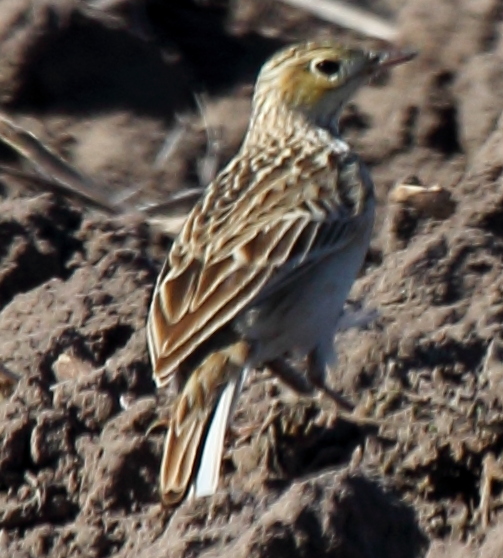
White Wagtail
Motacilla alba
Order: Passeriformes / Family: Motacillidae

Wikimedia Commons
About the White Wagtail
The White Wagtail (Motacilla alba) is a striking and versatile bird common across much of Europe and Asia. Recognizable by its sharp black and white plumage, this bird often thrives in open environments such as fields, riverbanks, and even urban settings. Its adaptability allows it to bridge the gap between natural and human-altered landscapes. As a member of the Motacillidae family, the White Wagtail plays a crucial role in controlling insect populations, particularly in agricultural areas where it forages extensively.
During the breeding season, which typically occurs from April to July, White Wagtails can be found across northern Europe, including the United Kingdom, Scandinavia, and Russia. They prefer habitats with open ground for foraging and dense vegetation for nesting. Their ecological role extends beyond mere insect predation; they also contribute to seed dispersal and soil aeration through their foraging activities. As autumn approaches, these birds embark on their migration journey, heading to southern Europe, North Africa, and parts of the Middle East and South Asia for the winter.
In winter, they often congregate in urban and suburban settings, seeking out warmer microhabitats that provide food and shelter. This seasonal shift in habitat not only aids in their survival but also highlights their adaptability. The White Wagtail's presence in diverse environments signifies its importance within ecosystems, as it helps maintain the balance by preying on insects and providing food for larger predators. Their migratory patterns also contribute to the dynamic avian biodiversity across continents.
The White Wagtail belongs to the family Motacillidae, within the order Passeriformes. These birds typically live typically 5 years, with the oldest recorded at 11 years..
How to Identify a White Wagtail
The White Wagtail is a small songbird with a slender body and long, wagging tail. Adult individuals boast a striking contrast between their black crown, white face, and gray back. During the breeding season, males exhibit slightly more pronounced black markings around the throat and bib compared to females. Juveniles, in contrast, display a more muted color palette with brownish-gray backs and less defined facial markings, gradually acquiring adult plumage as they mature.
In flight, the White Wagtail's silhouette is distinctive, characterized by its rhythmic tail-wagging and buoyant flight pattern. Its perching posture is typically upright, often accompanied by its constant tail movements. This behavior is not only a key identification feature but also serves as a means of communication among conspecifics.
While similar in appearance, the White Wagtail can be distinguished from other wagtail species by its unique combination of black and white plumage. The Pied Wagtail, a subspecies found in the British Isles, closely resembles the White Wagtail but tends to have a darker back, especially in winter. Observing these subtle differences can be crucial for accurate identification in the field.
Having trouble telling birds apart? Upload a photo to our bird identification tool for an instant species match.
White Wagtail Habitat and Range
Preferred Habitat
White Wagtails occupy a range of habitats, including open fields, riverbanks, and urban environments. They are often found at low to moderate elevations, typically below 2,000 meters, although they occasionally venture higher during migration. In rural areas, they frequent agricultural fields and grasslands, benefiting from the abundance of insects.
Urban areas provide alternative habitats, especially during winter when they seek out warmer locales. They often exploit parks, gardens, and even industrial zones, where they find both food and shelter. Their adaptability to both rural and urban settings underscores their resilience and ecological versatility.
Seasonally, White Wagtails may shift habitats based on resource availability and climatic conditions. During migration, they utilize a variety of landscapes, adapting to different environments as they travel between breeding and wintering grounds.
Geographic Range
The breeding range of the White Wagtail stretches across northern Europe and Asia, from Iceland and the British Isles to Russia and parts of China. During the winter months, they migrate southwards to warmer regions, including southern Europe, North Africa, and parts of the Middle East and South Asia.
In Europe, they are widespread, with higher population densities found in countries like the United Kingdom, France, and Germany. In Asia, they are common across China and Japan, extending into the Indian subcontinent during winter.
Migration corridors often follow river valleys and coastlines, providing the necessary resources and stopover sites to sustain them during their long journeys. Their widespread distribution across continents illustrates their adaptability and ecological success.
Want to know which birds visit your area? Browse our backyard birds by location guides for region-specific species lists.
What Does the White Wagtail Eat?
White Wagtails primarily feed on insects and other small invertebrates, making them effective pest controllers in agricultural settings. Their diet consists mainly of flies, beetles, caterpillars, and ants, which they catch using a combination of ground foraging and aerial sallying.
During different seasons, their diet may vary slightly based on prey availability. In spring and summer, when insect populations peak, they focus on abundant species like craneflies and midges. In winter, they may supplement their diet with seeds and small fruits when insects are less accessible.
Foraging typically occurs during daylight hours, with peak activity in the early morning and late afternoon. Their methodical, ground-based foraging technique involves walking briskly, often accompanied by characteristic tail-wagging, enabling them to flush out hidden prey.
White Wagtail Behavior and Social Structure
White Wagtails are social birds, often seen in pairs during the breeding season and forming small flocks in winter. Territorial behavior becomes prominent during nesting, with males actively defending their chosen areas through song and display flights.
Courtship involves elaborate displays, where males exhibit their plumage and perform aerial maneuvers to attract females. Once paired, they remain monogamous for the breeding season, working together to raise their young.
As autumn approaches, flocking behavior intensifies, with birds gathering in large numbers at roosting sites. These communal gatherings provide protection against predators and help maintain body warmth. Daily activity patterns revolve around foraging, preening, and social interactions, with occasional breaks for rest and vigilance against potential threats.
White Wagtail Nesting and Reproduction
White Wagtails construct cup-shaped nests using a variety of materials, including grass, twigs, and feathers. These nests are usually located in crevices or sheltered spots, such as riverbanks, buildings, and rock piles, providing protection from the elements and predators.
A typical clutch consists of 4 to 6 eggs, which are incubated primarily by the female for about 11 to 13 days. Both parents participate in feeding the chicks, which fledge approximately 14 days after hatching. The fledging timeline is crucial for ensuring the young birds' survival, as it synchronizes with peak insect availability.
White Wagtails may raise two broods per year, particularly in regions with extended breeding seasons. Parental roles are shared, with both sexes involved in gathering food and protecting their offspring from potential threats.
White Wagtail Sounds and Vocalizations
The primary song of the White Wagtail is a series of high-pitched, melodious notes often delivered from a prominent perch. This song, characterized by its rhythm and clarity, plays a significant role in territory establishment and mate attraction.
Call notes are typically sharp and metallic, serving as communication signals between individuals. Alarm calls are harsher and more urgent, alerting conspecifics to potential dangers. During the dawn chorus, their song integrates with those of other birds, creating a vibrant cacophony that marks the beginning of the day.
The White Wagtail's vocalizations are vital for social interactions within flocks, facilitating cohesion and coordination during foraging and roosting activities.
Interesting Facts About the White Wagtail
- 1White Wagtails are known for their distinctive tail-wagging behavior, which may help them flush out insects from the ground.
- 2The White Wagtail is the national bird of Latvia, symbolizing adaptability and resilience in diverse environments.
- 3In urban areas, White Wagtails often use human structures like bridges and buildings for nesting and roosting.
- 4During migration, White Wagtails can cover distances of up to 5,000 kilometers between breeding and wintering grounds.
- 5White Wagtails have been observed using their reflective white tail feathers to communicate with other birds.
- 6The species consists of several subspecies, each adapted to specific regions, with subtle differences in plumage.
- 7White Wagtails are among the first songbirds to return to their breeding grounds in spring, heralding the arrival of warmer weather.
White Wagtail Conservation Status
The White Wagtail currently holds a status of Least Concern according to the IUCN. Despite facing habitat loss in some regions due to urban expansion and agricultural intensification, their population trends remain stable overall. Primary threats include pesticide use, which reduces insect populations, and changes in land use that alter their natural habitats. Conservation efforts focus on maintaining suitable habitats and monitoring population dynamics to ensure their continued well-being. Historically, the White Wagtail has demonstrated resilience and adaptability, thriving in various landscapes and managing to coexist with human activities. Continued conservation measures will be essential to mitigate future challenges posed by environmental changes.