
Ashy-headed Greenlet
Hylophilus pectoralis
Order: Passeriformes / Family: Vireonidae

Wikimedia Commons
About the Ashy-headed Greenlet
The Ashy-headed Greenlet, scientifically known as Hylophilus pectoralis, inhabits a variety of tropical and subtropical forests in South America. This small songbird plays a crucial role in its ecosystem, acting as both a seed disperser and an insect population regulator. Found primarily in countries like Brazil, Venezuela, and Guyana, the Ashy-headed Greenlet thrives in the dense canopies of the Amazon Basin, where it contributes to the dynamic biodiversity of the region. Its presence is often noted by the bird's melodious song, which echoes through the forest layers. The Ashy-headed Greenlet demonstrates a remarkable adaptation to its environment, showing a preference for the closed canopy and edge habitats that abound in these tropical forests. During the rainy season, it is highly active, taking advantage of the abundance of insects and fruits. Its ecological role extends beyond mere survival; it participates actively in seed dispersal, thereby aiding in forest regeneration. As a part of the Vireonidae family, the Ashy-headed Greenlet shares its lineage with various other greenlets and vireos, which are known for their melodic vocalizations and tight association with forested areas. The significance of the Ashy-headed Greenlet cannot be overstated, as it not only enriches the auditory landscape of its habitat but also supports the ecological balance by controlling insect populations and facilitating seed dispersal. By feeding on a diverse array of insects and fruits, it ensures the propagation of plant species, which in turn, supports a myriad of other wildlife. This bird's behavior and adaptability serve as a testament to the intricate interdependencies within tropical ecosystems. Seasonal behaviors of the Ashy-headed Greenlet include heightened activity during the breeding season, when its calls become more frequent and it engages in territorial displays to protect its nesting area. The interconnectedness of its life cycle with the changing seasons highlights the bird's role as both a resident and a key participant in the perpetuation of its environment.
The Ashy-headed Greenlet belongs to the family Vireonidae, within the order Passeriformes. These birds typically live average 4 years, maximum recorded 6 years..
How to Identify a Ashy-headed Greenlet
The Ashy-headed Greenlet is a small bird, measuring approximately 12 cm in length, with a wingspan of around 20 cm. It displays a striking contrast between its ashy-gray head and its vibrant green upperparts, which makes it relatively easy to identify in the field. The underparts are a lighter green, and subtle yellowish tones can sometimes be observed on the belly. There is little sexual dimorphism in this species, meaning males and females look quite similar. Juvenile birds may exhibit slightly duller plumage compared to adults, lacking the full vibrancy of color seen in mature individuals. When perched, the Ashy-headed Greenlet often maintains a slightly upright posture, which is common among members of the Vireonidae family. In flight, its silhouette is typical of a small passerine, with rapid wing beats and a somewhat undulating flight pattern. Confusion might arise with other greenlets or small vireos, but the distinct ashy-gray head sets it apart. Additionally, its vocalizations can be a key distinguishing factor. Listening for its song can confirm identification even when the bird is obscured by foliage.
Having trouble telling birds apart? Upload a photo to our bird identification tool for an instant species match.
Ashy-headed Greenlet Habitat and Range
Preferred Habitat
The Ashy-headed Greenlet predominantly inhabits tropical and subtropical forests, favoring dense canopy areas where it can forage and nest. It is commonly found in the lowland rainforests of the Amazon Basin, thriving at elevations ranging from sea level to 1,200 meters. This bird shows a preference for both primary and secondary forests, including forest edges and clearings. During the wet season, the Ashy-headed Greenlet tends to remain in areas with abundant insect life, while in the dry season, it may venture to slightly more open areas in search of fruiting trees. Unlike some other bird species, the Ashy-headed Greenlet is not typically found in urban environments, preferring the rich biodiversity provided by forested habitats. Its presence in these regions underscores the importance of maintaining intact forest ecosystems for species conservation.
Geographic Range
The Ashy-headed Greenlet's range is predominantly within the northern regions of South America. It is a resident breeder in countries like Brazil, Venezuela, and Guyana, where it occupies the expansive Amazon Basin. There are no significant migratory movements for this species, as it tends to remain within its established range year-round. However, local movements may occur in response to seasonal variations in food availability. Population density is notably higher in regions with well-preserved forest habitats, such as the central Amazon and certain parts of the Orinoco Basin. In these areas, the Ashy-headed Greenlet can be quite common, although its presence may be less pronounced in heavily deforested or fragmented landscapes.
Want to know which birds visit your area? Browse our backyard birds by location guides for region-specific species lists.
What Does the Ashy-headed Greenlet Eat?
The diet of the Ashy-headed Greenlet is primarily insectivorous, focusing on a wide variety of insects and arthropods found within its forest habitat. Beetles, caterpillars, and spiders make up the bulk of its diet, which it gleans from foliage and tree bark. During certain times of the year, particularly when fruits are abundant, the Ashy-headed Greenlet will also consume berries and small fruits, supplementing its diet with these seasonal resources. Its foraging technique is active and methodical, often involving hopping from branch to branch in search of prey. This bird typically forages during daylight hours, with peak feeding activity occurring in the early morning and late afternoon.
Ashy-headed Greenlet Behavior and Social Structure
The Ashy-headed Greenlet exhibits a complex social structure characterized by both solitary and social behaviors. While foraging, it may join mixed-species flocks, which provide increased protection against predators and enhance foraging efficiency. During the breeding season, however, it becomes more territorial, with pairs establishing and defending nest sites. Courtship displays involve mutual preening and vocal duets, strengthening pair bonds. The Ashy-headed Greenlet is highly vocal, with a repertoire of songs and calls used for communication within its habitat. Its daily activities are governed by a pattern of foraging, vocalizing, and resting, with increased activity during the cooler parts of the day. When faced with predators, this bird employs a variety of alarm calls to alert other birds of potential threats, demonstrating its role in the avian community as both a sentinel and a participant in cooperative defense strategies.
Ashy-headed Greenlet Nesting and Reproduction
The Ashy-headed Greenlet builds a compact, cup-shaped nest constructed primarily from plant fibers, spider silk, and leaves. These nests are typically situated in the fork of a branch, several meters above the ground, to minimize the risk of predation. The female usually lays a clutch of two to three eggs, which she incubates for approximately 12 to 14 days. During this time, the male assists by providing food to the nesting female. Once hatched, the chicks remain in the nest for about 10 to 12 days, after which they fledge and begin to explore their surroundings under the watchful eyes of both parents. The Ashy-headed Greenlet typically raises one to two broods per year, depending on environmental conditions and food availability.
Ashy-headed Greenlet Sounds and Vocalizations
The Ashy-headed Greenlet is known for its melodious song, which consists of a series of clear, sweet notes that rise and fall in pitch. This primary song is often delivered from a concealed perch within the forest canopy, making it an important tool for territorial defense and mate attraction. In addition to its song, the Ashy-headed Greenlet has a repertoire of call notes used for communication with other individuals, including a sharp 'chip' call used as an alarm signal. During the dawn chorus, its voice blends with those of other forest birds, contributing to the rich soundscape of its habitat.
Interesting Facts About the Ashy-headed Greenlet
- 1The Ashy-headed Greenlet's song is often mistaken for that of a vireo, highlighting the bird's impressive vocal abilities.
- 2Despite its small size, the Ashy-headed Greenlet plays a big role in insect control and seed dispersal in its ecosystem.
- 3Studies have shown that the Ashy-headed Greenlet participates in mixed-species flocks, enhancing its foraging success.
- 4A pair of Ashy-headed Greenlets can communicate over considerable distances using their distinctive song.
- 5The Ashy-headed Greenlet's nest construction is a marvel of avian engineering, utilizing natural materials skillfully.
- 6This species is a year-round resident of the Amazon, unlike many birds that migrate seasonally.
- 7The Ashy-headed Greenlet's alarm calls serve as an early warning system, alerting other birds to potential dangers.
Ashy-headed Greenlet Conservation Status
Currently, the Ashy-headed Greenlet is classified as Least Concern by the IUCN. Its population trends appear stable, although habitat loss due to deforestation poses a significant threat to its long-term survival. Conservation efforts aimed at preserving tropical forest habitats will be crucial in ensuring the continued existence of this species. Historically, the Ashy-headed Greenlet has maintained a relatively stable population, benefiting from the expansive and largely untouched regions of the Amazon. However, ongoing monitoring and habitat protection are essential to prevent future declines.
Other Vireonidae Species
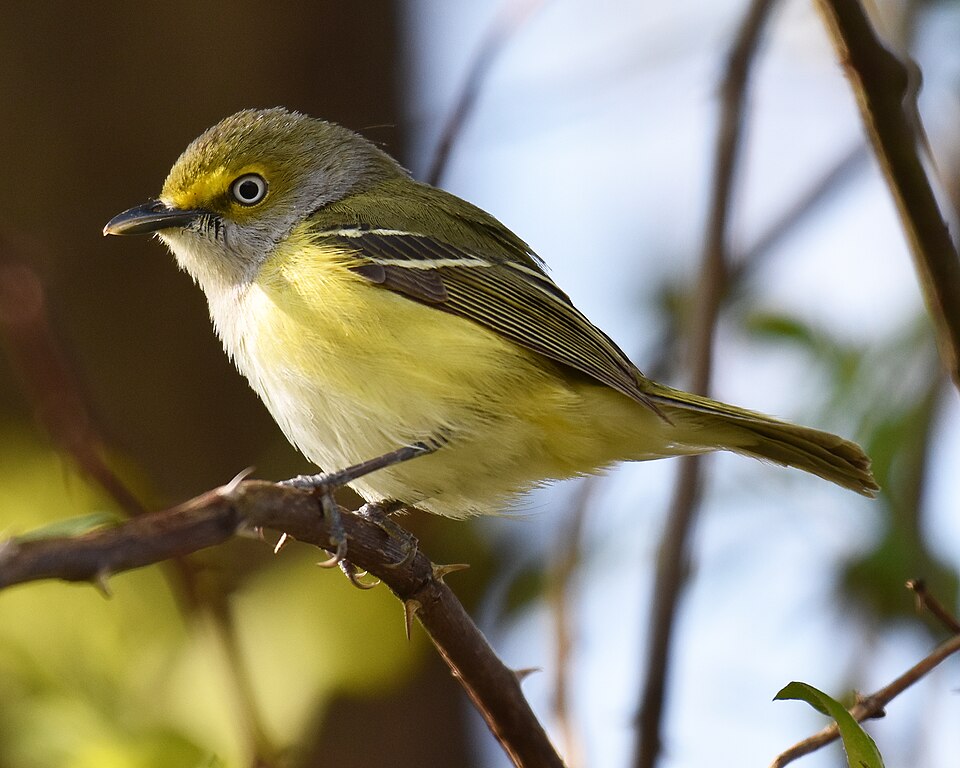

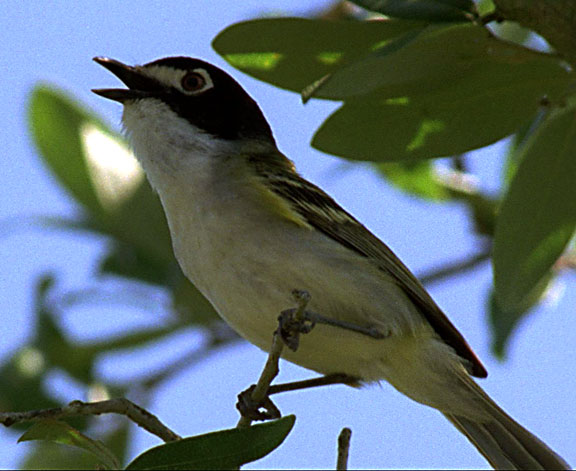

Birds Similar to the Ashy-headed Greenlet
These species are often confused with the Ashy-headed Greenlet due to similar appearance or overlapping range.

