
Bank Swallow
Riparia riparia
Order: Passeriformes / Family: Hirundinidae

Wikimedia Commons
About the Bank Swallow
The Bank Swallow, or Riparia riparia, is a small, agile bird belonging to the family Hirundinidae. Known for its distinctive brown upperparts and white underparts, the Bank Swallow is widespread, inhabiting a variety of regions across North America, Europe, and Asia. The species is particularly notable for its colonial nesting behavior and preference for burrowing into sandy or soft banks. This bird plays a significant ecological role in controlling insect populations, as it primarily feeds on flying insects. Bank Swallows are highly social, often seen in large flocks during migration and in breeding colonies. Their presence is a marker of healthy riparian and coastal ecosystems, where they typically establish their colonies. Seasonally, these birds exhibit remarkable migratory behavior, traveling from breeding grounds in the northern hemisphere to wintering sites in South America and Africa. This migration is not only a testament to their endurance but also highlights the importance of conservation across international borders, as changes in habitat quality can affect their survival. The Bank Swallow's adaptability to various environments, from riverbanks to man-made structures, underscores its resilience, yet also its vulnerability to habitat destruction and environmental changes.
The Bank Swallow belongs to the family Hirundinidae, within the order Passeriformes. These birds typically live typically 2-4 years, with a maximum recorded of 9 years..
How to Identify a Bank Swallow
The Bank Swallow is a small bird, measuring approximately 12-14 centimeters in length, with a wingspan of about 29-30 centimeters. It is easily identified by its brown upperparts and contrasting white underparts, which are bisected by a distinctive dark breast band. This band is a key field mark, differentiating it from similar species such as the Northern Rough-winged Swallow. Both male and female Bank Swallows exhibit similar plumage, making sex differentiation in the field challenging. Juveniles resemble adults but can appear slightly duller with less distinct banding. In flight, the Bank Swallow displays a characteristic agile and buoyant flight pattern, often with quick, shallow wingbeats. When perched, they maintain a horizontal posture, a trait common among swallows. Their small size and streamlined bodies aid in their swift, maneuverable flight, which is essential for catching insect prey mid-air.
Having trouble telling birds apart? Upload a photo to our bird identification tool for an instant species match.
Bank Swallow Habitat and Range
Preferred Habitat
Bank Swallows predominantly inhabit areas near water, such as rivers, lakes, and coastal regions, where they find suitable sandy or eroded banks for nesting. They prefer low to mid-elevation sites, typically below 1500 meters. During the breeding season, they are frequently found in rural areas with natural banks or quarries, though they can adapt to urban environments if suitable nesting sites are available. In winter, they migrate to open habitats like savannas and fields in warmer climates. Seasonal habitat shifts are driven by the availability of nesting sites and insect prey, which are critical for their survival and reproduction.
Geographic Range
The Bank Swallow has an extensive breeding range across North America, Europe, and Asia. In North America, they breed from Alaska and Canada down to the northern United States. In Europe, they are found from the British Isles across to central Asia. Their wintering grounds include parts of South America, such as Brazil and Argentina, and regions in Africa from the Sahel to South Africa. Migration corridors often follow major river systems and coastal lines, where they can find abundant food and rest stops. Population density is highest in areas with abundant nesting sites and insect prey, such as the Great Lakes region and river valleys.
Want to know which birds visit your area? Browse our backyard birds by location guides for region-specific species lists.
What Does the Bank Swallow Eat?
Bank Swallows primarily feed on flying insects, including flies, beetles, and mosquitoes, which they catch in mid-air with their agile flight. During breeding season, they may consume larger quantities of aquatic insects found near their nesting sites. Their diet can vary seasonally as they follow insect availability, sometimes including small moths and other night-flying insects. Foraging typically occurs in flocks, often over water bodies or open fields, where they can efficiently capture their prey. Their feeding schedule is diurnal, with peak activity in the early morning and late afternoon when insects are most active.
Bank Swallow Behavior and Social Structure
Bank Swallows are highly social birds, forming large breeding colonies that can include hundreds of pairs. They exhibit strong site fidelity, often returning to the same colony each year. During courtship, males perform aerial displays to attract females, showcasing their agility and fitness. These swallows are not territorial in the traditional sense, as they tolerate close nesting with conspecifics. They are, however, vigilant against predators, often giving alarm calls to warn the colony. Bank Swallows engage in cooperative roosting outside of the breeding season, forming large flocks that enhance protection from predators and aid in thermoregulation.
Bank Swallow Nesting and Reproduction
Bank Swallows nest in colonies, often digging tunnels in sandy or soft soil banks. The tunnels can reach up to 90 centimeters in length, ending in a chamber where the nest is built. Nest construction involves grass, feathers, and other plant materials. A typical clutch contains 4-6 white eggs, which are incubated by both parents for about 13-16 days. After hatching, the chicks remain in the nest for approximately 18-21 days before fledging. Both parents participate actively in feeding and caring for the young. In favorable conditions, Bank Swallows may raise two broods per year.
Bank Swallow Sounds and Vocalizations
The Bank Swallow's primary song is a series of rapid, buzzy notes that can be likened to a dry trill. This song is often heard during flight or when the bird is perched near its colony. Their call notes include a sharp 'trrt' sound used for communication between individuals. Alarm calls are more abrupt and are used to signal danger, prompting the colony to take flight. During the dawn chorus, Bank Swallows' songs blend with other bird calls, creating a lively symphony that marks their presence in the area.
Interesting Facts About the Bank Swallow
- 1The Bank Swallow is the most widely distributed species of swallow in the world, found on every continent except Antarctica.
- 2A colony of Bank Swallows can consist of up to 2000 burrows, showcasing their highly social nature.
- 3Bank Swallows can consume up to 10,000 insects in a single day, playing a crucial role in pest control.
- 4Despite their small size, Bank Swallows migrate thousands of kilometers from North America to South America.
- 5They have been observed using artificial structures like gravel pits and quarries when natural banks are unavailable.
- 6The species is known to have existed since at least the Pleistocene, as evidenced by fossil records.
- 7In the UK, the Bank Swallow is known as the Sand Martin, highlighting its preference for sandy nesting sites.
Bank Swallow Conservation Status
Currently, the Bank Swallow is listed as a species of Least Concern by the IUCN. However, population trends vary by region, with declines noted in parts of North America and Europe due to habitat loss, particularly the destruction of nesting sites through urban development and erosion control. Conservation efforts focus on protecting natural habitats and restoring degraded riverbanks. Historical data suggest that populations have fluctuated with land use changes, emphasizing the need for ongoing monitoring and habitat protection.
Other Hirundinidae Species


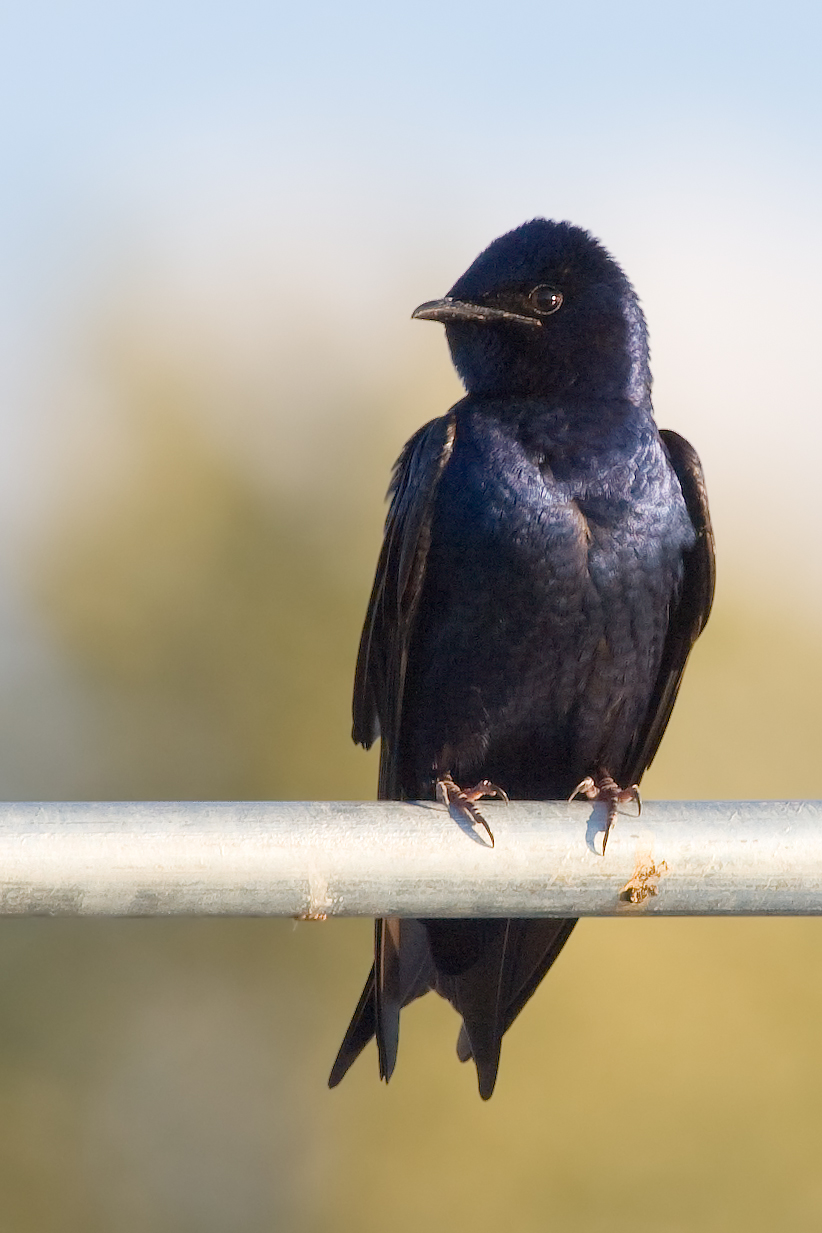
Birds Similar to the Bank Swallow
These species are often confused with the Bank Swallow due to similar appearance or overlapping range.
