Chinese Hwamei
Garrulax canorus
Order: Passeriformes / Family: Leiothrichidae

Wikimedia Commons
About the Chinese Hwamei
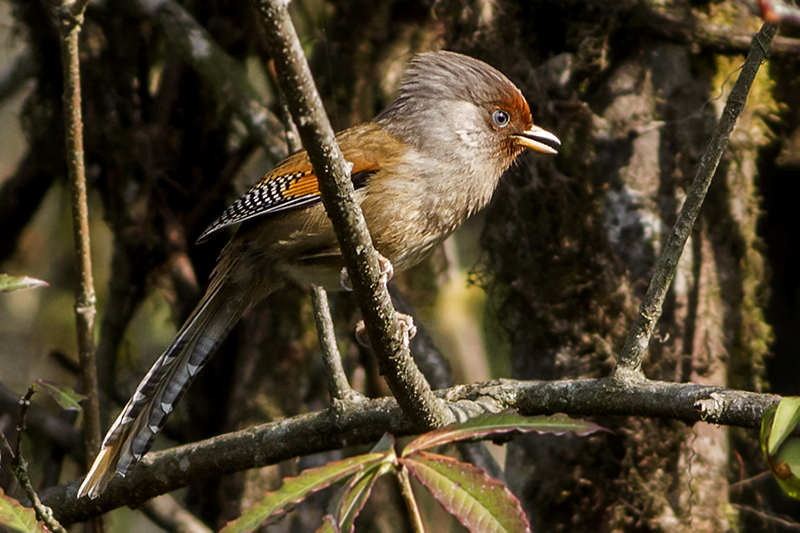
The Chinese Hwamei, Garrulax canorus, is a captivating bird known for its melodious and complex song. It belongs to the family Leiothrichidae and thrives in various parts of Asia. These birds are highly regarded for their vocal abilities, making them popular in aviculture, especially in China where they are often kept as cage birds for their singing talent. The Chinese Hwamei is a medium-sized passerine with a length of about 21 to 24 centimeters. Its plumage is predominantly brown, with a distinctive white eye-stripe that gives it a somewhat stern expression. This bird is native to southern China, extending into Vietnam and Laos. Historically, the Chinese Hwamei's range has been limited to subtropical regions, but habitat destruction and capture for the pet trade have affected its populations. Despite these challenges, the bird plays an essential ecological role as an insectivore, helping control insect populations in its native habitat. During the breeding season, Chinese Hwameis are particularly active, often seen and heard as they engage in territorial disputes and courtship displays. Their vocalizations vary significantly, with males particularly noted for their elaborate songs used to attract mates and defend territories. In non-breeding seasons, their behavior becomes more subdued, yet they remain an integral part of the ecosystem. The Chinese Hwamei's role as both a predator and prey species maintains the delicate balance of its natural habitat, where it contributes to the biodiversity and health of the forest ecosystems it inhabits.
The Chinese Hwamei belongs to the family Leiothrichidae, within the order Passeriformes. These birds typically live typically 5-8 years, with some individuals living up to 10 years in the wild..
How to Identify a Chinese Hwamei
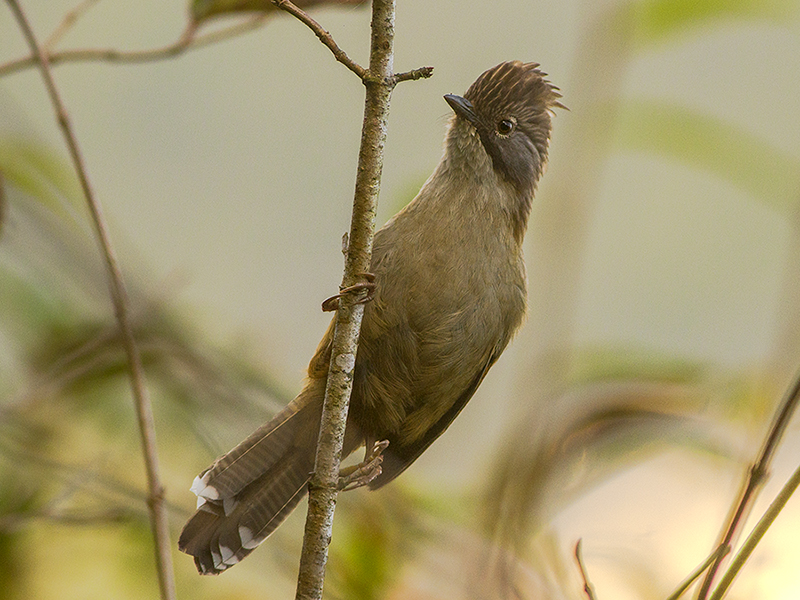
The Chinese Hwamei is easily recognized by its striking white eye-stripe that contrasts sharply with its otherwise brown plumage. Adults have a uniform brown body with slightly darker wings and tails, contributing to their camouflage within the forest understory. Juveniles resemble adults but may exhibit slightly duller plumage with less defined eye-stripes. Both males and females appear similar, although males are often more vocal. In flight, the Chinese Hwamei shows a direct and somewhat undulating pattern, characterized by strong wing beats. Perching, they often stand upright with their tail held in line with the body, a posture typical of many babblers. Despite its distinctive appearance, the Hwamei could be confused with other brown babblers, such as the Taiwan Hwamei, which has a similar body shape but lacks the prominent eye-stripe. The Hwamei's song is another key identifier, featuring a series of whistles and trills that distinguish it from other species in its range.
Having trouble telling birds apart? Upload a photo to our bird identification tool for an instant species match.
Chinese Hwamei Habitat and Range
Preferred Habitat
The Chinese Hwamei primarily inhabits subtropical forests, often favoring dense undergrowth where it can forage and nest. It is commonly found at elevations ranging from sea level to 1,800 meters, although it may ascend higher in some regions. The bird thrives in both primary and secondary forest environments as well as in agricultural areas with dense shrubbery. During breeding season, Hwameis prefer thicker vegetation that offers protection and ample food supply. In non-breeding seasons, they might move to less dense areas but still require some cover. While they are more common in rural settings, the Hwamei can occasionally be found in urban parks and gardens, provided there is sufficient vegetation. This adaptability to varied environments demonstrates their resilience, but they remain most abundant in their traditional forest habitats.
Geographic Range
The Chinese Hwamei's breeding range spans southern China, including provinces such as Guangdong, Guangxi, and Hunan. It also inhabits parts of northern Vietnam and Laos. While largely a resident bird, some populations may undertake short-distance movements in response to food availability or climatic conditions. Historically, the Hwamei has been introduced to Taiwan, where it has become established, and it has also been reported in regions of Japan and Hawaii due to escapes from captivity. These introduced populations are less dense compared to their native range but have been successful in establishing breeding populations. In its native habitat, the Chinese Hwamei is relatively common, although localized declines have been noted due to habitat loss and capture for the pet trade. Conservation efforts are focused on protecting remaining habitats and regulating trade to ensure the species' long-term survival.
Want to know which birds visit your area? Browse our backyard birds by location guides for region-specific species lists.
What Does the Chinese Hwamei Eat?
The diet of the Chinese Hwamei is predominantly insectivorous, consisting mainly of insects such as beetles, caterpillars, and ants. During the breeding season, the demand for protein increases, driving Hwameis to hunt actively for larger prey items. In addition to insects, they also consume a variety of fruits and berries, which supplement their diet and provide essential nutrients. Seasonal changes influence diet composition, with a higher intake of fruits during the non-breeding season when insects are less abundant. Foraging occurs primarily on the ground or in low vegetation, where Hwameis use their beaks to probe leaf litter and soil. Their foraging technique is methodical and deliberate, often involving a mix of hopping and short flights to cover ground. The Chinese Hwamei typically feeds during daylight hours, with peak activity occurring in the morning and late afternoon.
Chinese Hwamei Behavior and Social Structure
The Chinese Hwamei exhibits a complex social structure characterized by strong territorial behavior, particularly during the breeding season. Males sing loudly from elevated perches to establish territory and attract mates, engaging in vocal duels with rivals. Their song plays a crucial role in maintaining social hierarchies within their environment. Courting males may perform display flights and vocalizations to entice females. Outside the breeding season, Chinese Hwameis may join mixed-species flocks, benefiting from increased protection against predators. Despite their territorial nature, they display a level of social tolerance in these flocks, which aids in foraging efficiency. The Chinese Hwamei is diurnal, with most activity occurring from dawn until dusk. They exhibit a heightened sensitivity to predators, employing alarm calls and evasive maneuvers to avoid threats. This vigilance, combined with their cryptic plumage, helps them remain elusive in their dense habitat.
Chinese Hwamei Nesting and Reproduction
Chinese Hwameis construct cup-shaped nests using twigs, leaves, and grass, often lined with finer materials for added comfort. These nests are typically located in low shrubs or small trees, providing concealment from predators. The nesting site is usually selected by the female, who also takes on the primary role in nest construction. Clutch size ranges from 2 to 4 eggs, with eggs being pale blue or greenish, often speckled. The female incubates the eggs for about 12 to 14 days, while the male assists by providing food. After hatching, both parents share the responsibility of feeding and protecting the chicks. Fledging occurs approximately two weeks after hatching, during which time the young birds develop the skills necessary for survival. Chinese Hwameis typically raise two broods per year, depending on environmental conditions and food availability.
Chinese Hwamei Sounds and Vocalizations
The Chinese Hwamei is renowned for its rich and varied song, characterized by a series of melodious whistles, trills, and warbles. The song is both complex and powerful, often delivered from a conspicuous perch. These vocalizations play a critical role in territorial defense and mate attraction. The Hwamei's call notes include sharp, metallic 'tsik' sounds used for communication between mates or signaling alarm. During the dawn chorus, males are particularly active, filling the air with their distinctive melodies. The quality of their song has been likened to that of a flute, with a rhythmic and harmonious flow. This has made the Chinese Hwamei a favorite among bird enthusiasts and a staple in traditional Chinese music.
Interesting Facts About the Chinese Hwamei
- 1The Chinese Hwamei's name is derived from the Chinese words 'hua' meaning flower and 'mei' meaning eyebrow, referring to the distinctive eye-stripe.
- 2In traditional Chinese culture, the Hwamei is often kept as a pet for its singing ability, similar to the role of canaries in Western cultures.
- 3Hwameis can mimic other bird species, adding to their complex vocal repertoire and making them fascinating subjects for ornithologists.
- 4The Hwamei's diet shifts seasonally, with a higher fruit intake in winter, showcasing their adaptability to changing food availability.
- 5While primarily found in forests, Chinese Hwameis have been observed adapting to urban environments, demonstrating their ecological versatility.
- 6Introduced populations of Chinese Hwameis in Hawaii have adapted well, thriving alongside native and non-native bird species.
- 7The Hwamei's song is so valued that it is often used in bird singing competitions, where enthusiasts judge the quality and variety of their calls.
Chinese Hwamei Conservation Status
The Chinese Hwamei is currently listed as Least Concern by the IUCN, although certain populations are experiencing decline due to habitat destruction and the illegal pet trade. Conservation efforts focus on habitat preservation and regulating trade, particularly in areas where populations are most vulnerable. Historical population data indicates fluctuations corresponding to patterns of deforestation and urban expansion. Despite these challenges, some populations remain stable, benefiting from protected areas and conservation programs aimed at maintaining biodiversity. Ongoing research and monitoring are essential to ensure the Hwamei continues to thrive in its native range.