
Dusky-capped Greenlet
Hylophilus hypoxanthus
Order: Passeriformes / Family: Vireonidae

Wikimedia Commons
About the Dusky-capped Greenlet
The Dusky-capped Greenlet (Hylophilus hypoxanthus) is a small, vibrant member of the Vireonidae family, predominantly found in the lush, dense forests of the Amazon Basin. This bird plays a significant role in the ecosystem as both a predator and prey, contributing to the balance of insect populations while serving as food for larger avian species. Its range includes countries like Brazil, Peru, and Colombia, where it typically resides in subtropical or tropical moist lowland forests and subtropical or tropical swamps.
The Dusky-capped Greenlet is particularly important for maintaining the health of the forest ecosystem. By consuming a variety of insects, it helps to control pest populations, which could otherwise damage foliage and disrupt the delicate balance of these biodiverse regions. Its presence is a marker of forest health, as it prefers areas that are relatively undisturbed by human activity.
During the breeding season, typically from August to November, the Dusky-capped Greenlet becomes more vocal and territorial. Males engage in singing bouts to establish and defend their territory, ensuring a safe space for raising their young. The bird's adaptability to different forest conditions highlights its ecological significance, as it can be found at various elevations, from lowland rainforests to slightly higher altitudes, though it predominantly favors lowland areas.
The Dusky-capped Greenlet often joins mixed-species flocks, a behavior common in the Amazon, which increases foraging efficiency and provides safety in numbers from predators. This social behavior not only aids in its survival but also enhances its role in the ecosystem as part of a community of insect-controlling birds. This bird's seasonal behavior, especially during the wet season, includes increased activity and vocalizations, reflecting the abundance of food resources during this time.
The Dusky-capped Greenlet belongs to the family Vireonidae, within the order Passeriformes. These birds typically live average 3-5 years with a maximum of 6 years recorded..
How to Identify a Dusky-capped Greenlet
The Dusky-capped Greenlet is a small bird, measuring about 11-13 cm in length, with a distinctive olive-green back and wings. Its underparts are a pale yellow, providing a striking contrast to its darker upper body. The bird sports a dusky cap on its head, from which it derives its common name. Unlike many other bird species, male and female Dusky-capped Greenlets exhibit similar plumage, making it difficult to differentiate them in the field without close observation. Juveniles are similar to adults but may appear slightly duller in color until their first molt.
In terms of similar species, the Dusky-capped Greenlet might be confused with the closely related Tawny-crowned Greenlet (Hylophilus ochraceiceps), which can be differentiated by its more pronounced tawny crown and slightly different habitat preferences. Observers can also distinguish the Dusky-capped Greenlet by its distinctive call, a series of quick, sharp notes that separate it from similar-sounding species.
In flight, the Dusky-capped Greenlet displays a somewhat fluttery and direct flight pattern, typical of small forest-dwelling birds. When perched, it often remains in the mid to upper canopy, moving nimbly through the foliage. Its posture is upright, with a slight lean forward, which aids in its insect-gleaning behavior.
Having trouble telling birds apart? Upload a photo to our bird identification tool for an instant species match.
Dusky-capped Greenlet Habitat and Range
Preferred Habitat
The Dusky-capped Greenlet thrives in the humid, dense forests of the Amazon Basin, preferring subtropical or tropical moist lowland forests and swamps. It is primarily found at elevations below 1000 meters, where the canopy is rich and diverse. This bird avoids heavily disturbed or deforested areas, favoring pristine forest environments where insect prey is abundant.
During the wet season, the Dusky-capped Greenlet may shift slightly within its habitat, following the abundance of insects that proliferate with increased rainfall. Though it predominantly inhabits rural and forested regions, it occasionally ventures into forest edges and secondary growth areas when searching for food.
The Dusky-capped Greenlet is rarely found in urban settings, as it depends on the complex structure of undisturbed forests for both feeding and nesting. Its presence in a forest is often an indicator of ecosystem health, given its sensitivity to habitat changes and fragmentation.
Geographic Range
The Dusky-capped Greenlet is a resident species within the vast expanse of the Amazon Basin, covering a range that includes Brazil, Peru, Colombia, Bolivia, and parts of Venezuela. This bird does not migrate, maintaining a year-round presence in its tropical habitat. It is most densely populated in areas where the forest canopy is intact and undisturbed, such as the western Amazon Basin and the regions surrounding the Rio Negro in Brazil.
Unlike migratory species, the Dusky-capped Greenlet does not have defined migration corridors, as it adapts locally to seasonal changes in food availability. Its range does not extend into mountainous regions, and it is absent from highland areas and the more temperate zones of South America.
The bird's population density is highest in areas where insect prey is plentiful, particularly during the rainy season when insect populations peak. Conservation efforts focused on protecting large tracts of contiguous forest will benefit the Dusky-capped Greenlet, as habitat fragmentation poses a significant threat to its long-term survival.
Want to know which birds visit your area? Browse our backyard birds by location guides for region-specific species lists.
What Does the Dusky-capped Greenlet Eat?
The Dusky-capped Greenlet primarily feeds on insects, which make up the bulk of its diet. It forages by gleaning insects from the foliage, bark, and branches of trees in the mid to upper canopy. This bird shows a preference for small arthropods such as caterpillars, beetles, and spiders, which it captures with quick, precise movements.
During the rainy season, when insect populations surge, the Dusky-capped Greenlet takes advantage of the abundance, increasing its feeding activity to capitalize on the readily available food. Its diet may also include small fruits and berries, especially in the dry season when insect populations decline.
The bird adopts a systematic foraging strategy, often joining mixed-species flocks to improve its foraging success and reduce predation risk. This behavior allows the Dusky-capped Greenlet to cover a larger area while searching for food and provides a level of protection through increased vigilance within the flock.
Dusky-capped Greenlet Behavior and Social Structure
The Dusky-capped Greenlet exhibits a social and cooperative behavior, frequently joining mixed-species foraging flocks. This behavior enhances its foraging efficiency and provides protection against predators such as hawks and larger birds. Within these flocks, the Dusky-capped Greenlet maintains a level of vigilance, alert to any threats.
During the breeding season, males become territorial and vocal, engaging in continuous singing to establish and defend their territory. Courtship involves vocal displays and subtle plumage fluffing, with males attempting to attract females through persistent song and posturing.
The Dusky-capped Greenlet is diurnal, active primarily during daylight hours. Its daily activity includes foraging, preening, and resting, with periods of increased vocalization in the early morning and late afternoon. The bird's response to predators includes remaining still and silent when a threat is near, blending into the foliage with its subtle coloring.
Dusky-capped Greenlet Nesting and Reproduction
The Dusky-capped Greenlet builds a cup-shaped nest, often located in the fork of a tree branch within the mid to upper canopy. The nest is constructed with fine plant fibers, leaves, and sometimes spider silk, providing a secure and camouflaged environment for its eggs.
Typically, the female lays 2-3 eggs per clutch. Both parents take part in the incubation process, which lasts approximately 12-14 days. After hatching, the chicks remain in the nest for another 10-14 days before fledging. Parental care continues post-fledging, with both parents feeding and protecting the young until they can fend for themselves.
The Dusky-capped Greenlet may have multiple broods per year, depending on the availability of food and the success of earlier nesting attempts. The nesting period aligns with the rainy season when food resources are most abundant, supporting the growing nutritional demands of the young.
Dusky-capped Greenlet Sounds and Vocalizations
The primary song of the Dusky-capped Greenlet is a series of quick, sharp notes, often delivered in a hurried sequence. This song serves as a territorial call and a means of communication between mates. The song is crisp and high-pitched, standing out against the backdrop of forest sounds.
In addition to its primary song, the Dusky-capped Greenlet uses a variety of call notes, including short, chirping sounds that serve as contact calls within mixed-species flocks. Alarm calls are more abrupt and harsh, signaling the presence of predators to other birds in the vicinity.
During the dawn chorus, the Dusky-capped Greenlet's song is prominent, contributing to the symphony of forest sounds. This early morning singing is crucial for territory establishment and mate attraction, particularly during the breeding season.
Interesting Facts About the Dusky-capped Greenlet
- 1The Dusky-capped Greenlet belongs to the Vireonidae family, which is closely related to New World warblers.
- 2Despite its name, the Dusky-capped Greenlet's cap can appear quite subtle and blends well with its overall plumage.
- 3This bird's preference for mixed-species flocks aids in predator detection, as more eyes are on the lookout for threats.
- 4The Dusky-capped Greenlet's diet shifts to include more fruit during periods of insect scarcity, showcasing dietary flexibility.
- 5Their cup-shaped nests are often reinforced with spider silk, adding strength and flexibility to the structure.
- 6The Dusky-capped Greenlet is non-migratory, maintaining a stable presence in its tropical habitat year-round.
- 7This species plays an important role in controlling insect populations, contributing to the ecological balance of its forest home.
Dusky-capped Greenlet Conservation Status
The Dusky-capped Greenlet is currently listed as Least Concern by the IUCN due to its broad range and stable population. However, ongoing threats such as deforestation and habitat fragmentation pose significant risks to its habitat. Protecting large, contiguous tracts of Amazon rainforest is crucial for the preservation of this species. Conservation efforts focus on mitigating habitat destruction and promoting sustainable land-use practices. The historical stability of the Dusky-capped Greenlet's population helps buffer against immediate threats, but continued vigilance is necessary to ensure its long-term survival. Engaging local communities in conservation efforts and raising awareness about the importance of preserving forest habitats are essential steps toward safeguarding the future of the Dusky-capped Greenlet and the diverse ecosystems it inhabits.
Other Vireonidae Species
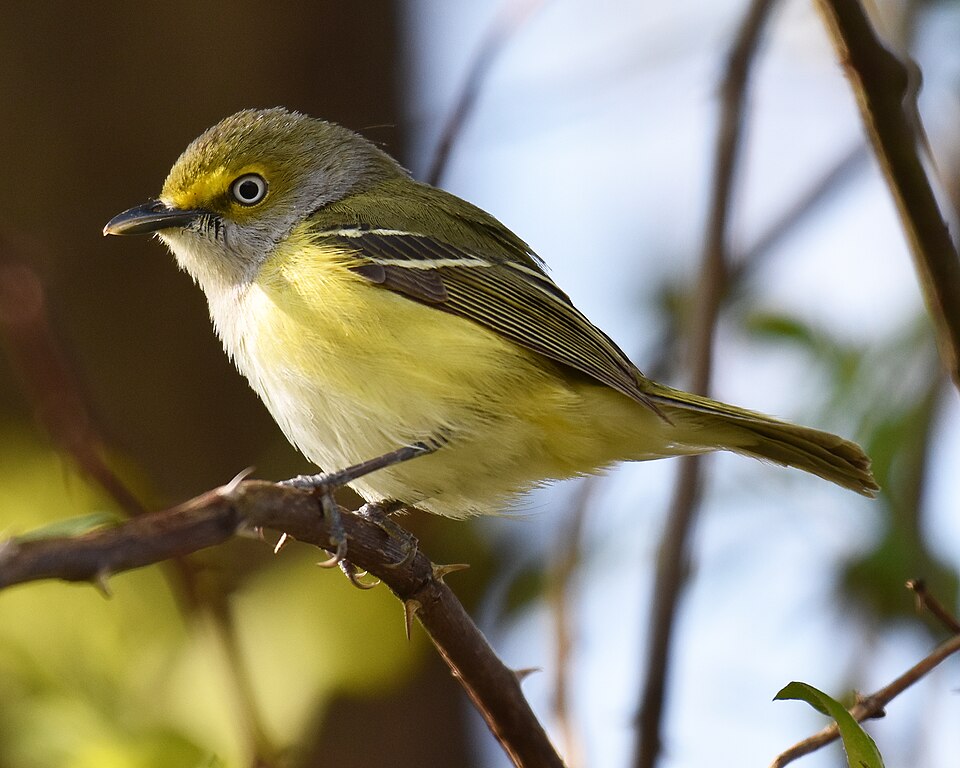

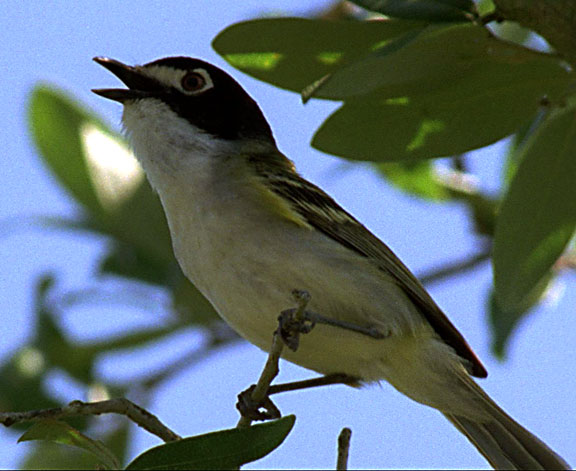

Birds Similar to the Dusky-capped Greenlet
These species are often confused with the Dusky-capped Greenlet due to similar appearance or overlapping range.
