
Gray Gerygone
Gerygone igata
Order: Passeriformes / Family: Acanthizidae
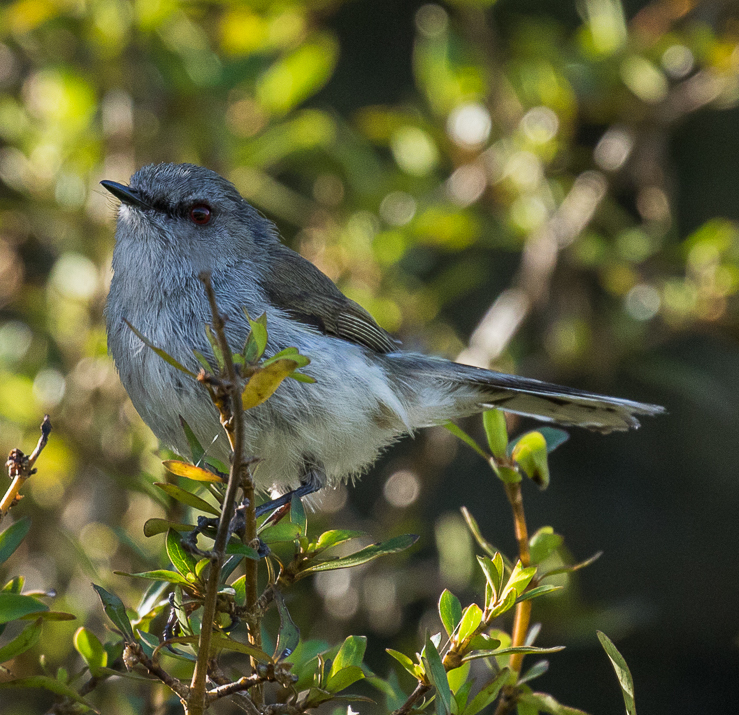
Wikimedia Commons
About the Gray Gerygone
The Gray Gerygone, Gerygone igata, is an endearing member of the Acanthizidae family, predominantly found in New Zealand. Known for its subtle beauty and soft vocalizations, this small passerine plays a crucial role in the native ecosystems. Its presence is widespread across both the North and South Islands, including Stewart Island, where it inhabits a variety of forested environments. The bird’s adaptability allows it to thrive in native, exotic, and regenerating forests, showcasing its ecological versatility. This species has a particular fondness for broadleaf and mixed podocarp forest types. During the breeding season, from August through January, the Gray Gerygone becomes more conspicuous due to increased vocal activity as pairs establish territories. Outside of the breeding season, these birds may form small flocks, contributing to mixed-species foraging groups. Their role in the ecosystem is significant, as they participate in controlling insect populations, thus maintaining the health of forest habitats. The Gray Gerygone is also integral in seed dispersal, indirectly promoting forest regeneration, which underscores its ecological importance. As a resident species, it does not migrate, maintaining a stable presence year-round, which aids in studying its behavior and population dynamics. Notably, the Gray Gerygone’s adaptability to various forest types and its non-migratory nature make it a reliable indicator of forest health across New Zealand.
The Gray Gerygone belongs to the family Acanthizidae, within the order Passeriformes. These birds typically live average 3-5 years, with a maximum recorded of 9 years..
How to Identify a Gray Gerygone
The Gray Gerygone is a diminutive bird, measuring about 11 centimeters in length. Its plumage is predominantly gray, with the upper parts slightly darker than the underparts. The face is adorned with a distinctive white eyebrow stripe, which contrasts with its dusky gray crown and nape. Juvenile birds exhibit slightly paler plumage with less distinct markings, making them harder to identify. Both males and females look similar, although males may sometimes appear slightly brighter during the breeding season. One could mistake the Gray Gerygone for the similar-looking Grey Warbler, but the latter lacks the Gerygone's distinctive white eyebrow. In flight, the Gray Gerygone exhibits a light, fluttering motion characteristic of small passerines. When perched, it often displays a slightly hunched posture, frequently flicking its wings and tail, behaviors that assist birders in field identification.
Having trouble telling birds apart? Upload a photo to our bird identification tool for an instant species match.
Gray Gerygone Habitat and Range
Preferred Habitat
The Gray Gerygone inhabits a wide range of forested environments across New Zealand, from native broadleaf and mixed podocarp forests to exotic pine plantations. It can be found in lowland areas and up to subalpine zones, demonstrating its adaptability to various elevations. This species often resides in areas with dense foliage, which provide ample foraging opportunities and protection from predators. While predominantly a forest dweller, the Gray Gerygone also ventures into more open habitats, such as parks and gardens, particularly when searching for food. However, its preference remains firmly rooted in forested areas, where it can exploit its adeptness at navigating dense vegetation.
Geographic Range
The Gray Gerygone is endemic to New Zealand, with a range that encompasses the entire country. It is prevalent across the North and South Islands, as well as on Stewart Island and several smaller offshore islands. The species does not engage in long-distance migration, remaining resident throughout the year. However, slight altitudinal movements may occur, particularly in response to seasonal changes in food availability or climatic conditions. Populations are densest in regions with extensive forest cover, such as Fiordland and the West Coast of the South Island, where its presence is a common fixture within these lush habitats.
Want to know which birds visit your area? Browse our backyard birds by location guides for region-specific species lists.
What Does the Gray Gerygone Eat?
The diet of the Gray Gerygone primarily consists of small insects and other invertebrates, which it gleans from foliage and tree bark. During the breeding season, when energy demands are higher, it may also consume spiders and occasionally small seeds. The bird employs a methodical foraging technique, often hanging upside down to access hidden prey. Its diet can shift seasonally, with a greater emphasis on insect larvae during spring and summer. The Gray Gerygone typically forages throughout the day, with peaks in activity during the morning and late afternoon when insect availability is highest.
Gray Gerygone Behavior and Social Structure
The Gray Gerygone is known for its lively and agile behavior, often seen flitting through the forest canopy in search of food. It exhibits a strong territorial instinct during the breeding season, with pairs defending their chosen areas through song and displays. Courtship involves the male performing song flights, accompanied by a series of rapid wing beats and vocalizations to attract a mate. Outside breeding, the Gray Gerygone may join mixed-species flocks, a behavior that promotes foraging success and reduces predation risk. In the presence of predators, it employs alarm calls to alert other birds, demonstrating a complex social structure and communication system. Active throughout the day, it dedicates much of its time to foraging and territory maintenance.
Gray Gerygone Nesting and Reproduction
The Gray Gerygone constructs a dome-shaped nest, usually suspended from a thin branch in a secluded part of the forest. Made from a variety of materials, including moss, lichen, and spider silk, the nest offers both camouflage and stability. The female typically lays 3 to 4 eggs, which are incubated for about 19 days. Both parents participate in feeding the chicks, which fledge approximately 15 days after hatching. The species may raise multiple broods in one breeding season, depending on food availability and environmental conditions. Parental roles are shared, with both sexes contributing to incubation, feeding, and protection of the young.
Gray Gerygone Sounds and Vocalizations
The Gray Gerygone's song consists of a series of high-pitched, melodious notes delivered in a rapid, cascading sequence. This song, often described as sweet and cheerful, serves both as a territorial marker and a mate attraction tool. Its call notes are softer, comprising a series of short, chirping sounds used for communication between mates or group members. Alarm calls are sharper and more insistent, designed to warn others of potential threats. During the dawn chorus, the Gray Gerygone's voice blends into the symphony of forest sounds, yet its distinct melody remains recognizable to the attentive ear.
Interesting Facts About the Gray Gerygone
- 1The Gray Gerygone is one of the smallest birds in New Zealand, measuring just 11 centimeters in length.
- 2Despite its modest size, the Gray Gerygone's song carries through dense forests, making it easier to hear than see.
- 3The species' name 'Gerygone' comes from Greek, meaning 'born of sound', a nod to its melodious song.
- 4Gray Gerygones can be found in both native and exotic forests, showcasing their adaptability to different environments.
- 5These birds are non-migratory, allowing them to be studied year-round in their natural habitat.
- 6They play an essential role in controlling insect populations, contributing to forest health.
- 7The Gray Gerygone often joins mixed-species flocks, enhancing its foraging success.
Gray Gerygone Conservation Status
The Gray Gerygone is currently listed as Least Concern by the IUCN, with populations that are stable across its natural range. Primary threats include habitat destruction and degradation due to logging and land conversion. However, conservation efforts focused on protecting native forests and controlling invasive species have been beneficial. Historical population assessments indicate a resilience in the species, likely due to its adaptability to various forest conditions. Continued conservation measures are essential to ensure that this charming songbird remains a vibrant part of New Zealand's avifauna.
Other Acanthizidae Species


Birds Similar to the Gray Gerygone
These species are often confused with the Gray Gerygone due to similar appearance or overlapping range.

