
Gray Sibia
Heterophasia gracilis
Order: Passeriformes / Family: Leiothrichidae

Wikimedia Commons
About the Gray Sibia
The Gray Sibia, scientifically known as Heterophasia gracilis, is a fascinating bird species found predominantly in the forests of Southeast Asia. It is a member of the family Leiothrichidae, which includes laughingthrushes and babblers, known for their social behavior and complex vocalizations. The Gray Sibia typically inhabits montane and submontane regions, where it plays a crucial ecological role as both a seed disperser and insect predator. Its presence in these habitats contributes to the health of the ecosystem by controlling insect populations and aiding in seed germination. In the wild, the Gray Sibia can be observed in countries such as Myanmar, Thailand, Vietnam, and Laos. These birds thrive in subtropical and tropical moist montane forests, often at elevations ranging from 1,000 to 2,500 meters. Their preference for such habitats highlights the importance of preserving these ecosystems, which are increasingly threatened by deforestation and human encroachment. During breeding seasons, which typically span from March to June, the Gray Sibia exhibits increased territorial behavior, establishing nesting sites within dense foliage. Outside of the breeding period, these birds may form loose flocks, foraging together and engaging in social interactions. Their adaptability to various forest types, from bamboo stands to broadleaf forests, underscores their resilience in the face of environmental changes. However, habitat destruction poses a significant threat to their populations, emphasizing the need for concerted conservation efforts.
The Gray Sibia belongs to the family Leiothrichidae, within the order Passeriformes. These birds typically live average 5-6 years, with a maximum recorded of 8 years..
How to Identify a Gray Sibia
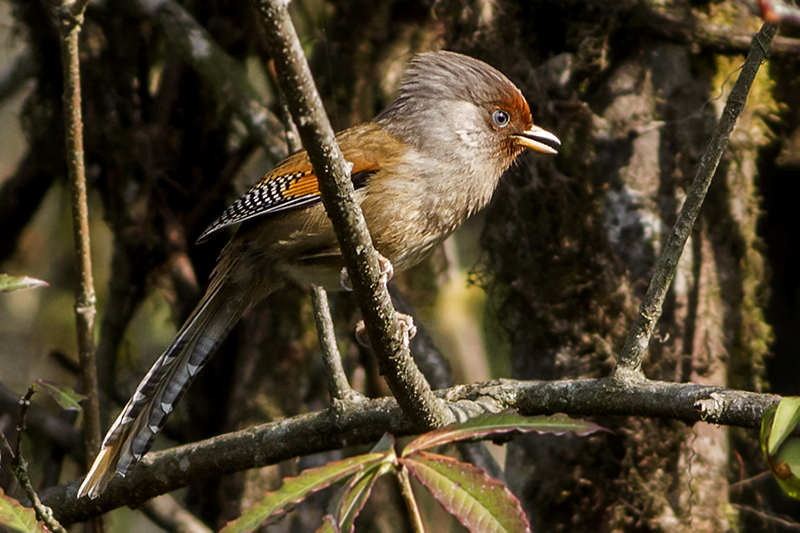
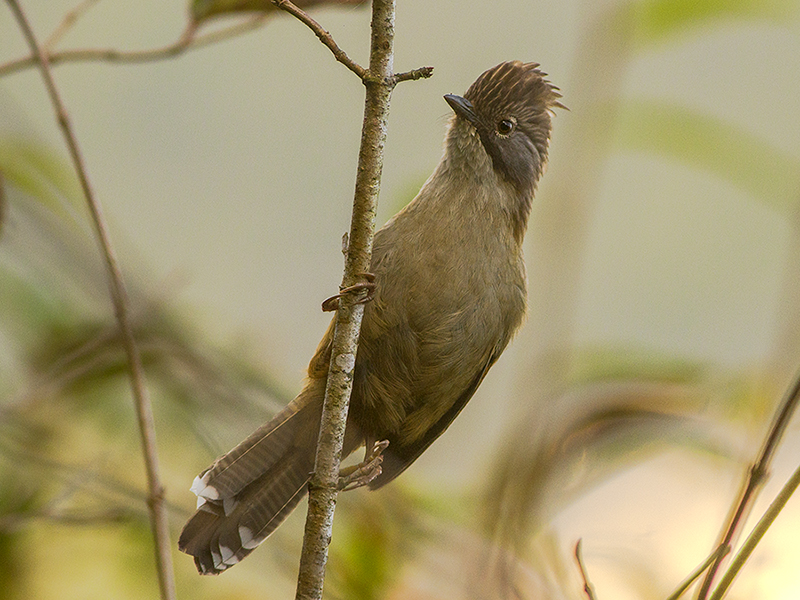
The adult Gray Sibia is easily recognized by its sleek gray plumage, which covers most of its body. Its underparts are slightly lighter, presenting a subtle contrast. One of its most striking features is the long, distinctively curved bill, which aids in foraging. The tail is long and graduated, often appearing darker than the rest of the body, with white-tipped feathers that are visible when the bird is in flight. Juvenile Gray Sibias resemble adults but may have slightly duller plumage and less defined markings. Males and females are similar in appearance, making gender identification in the field challenging without close observation. Unlike many other species, there are no seasonal plumage changes. The flight silhouette of the Gray Sibia is elegant, with a smooth, undulating flight pattern. When perched, they often adopt an upright posture, showcasing their long tails. They can sometimes be confused with other members of the Leiothrichidae family; however, their unique bill shape and vocalizations help distinguish them. Observers should also note the bird's preference for remaining within the canopy, where they blend seamlessly with their surroundings.
Having trouble telling birds apart? Upload a photo to our bird identification tool for an instant species match.
Gray Sibia Habitat and Range
Preferred Habitat
The Gray Sibia primarily inhabits subtropical and tropical moist montane forests. These habitats are characterized by dense foliage and a rich diversity of plant and insect life, providing ample food sources. They are commonly found at elevations between 1,000 and 2,500 meters, where temperatures are cooler and humidity levels are high. While they prefer untouched forests, Gray Sibias also adapt to secondary growth and bamboo thickets, indicating some level of adaptability. Seasonal habitat shifts are minimal, as these birds are generally non-migratory and reside year-round within their chosen range. In terms of urban presence, the Gray Sibia is rarely found in heavily populated areas, preferring the tranquility and resources of forested environments.
Geographic Range
The Gray Sibia's range is concentrated in the mountainous regions of Southeast Asia, particularly in countries such as Myanmar, Thailand, Vietnam, and Laos. Within these countries, they occupy specific montane and submontane habitats, primarily above 1,000 meters. This elevational preference keeps them away from the lowland areas where human activity is more pronounced. While they do not migrate long distances, local movements may occur in response to food availability and breeding requirements. Population density is highest in areas where forest cover remains intact, such as in certain protected regions and national parks. Despite their relatively confined range, the Gray Sibia's adaptability allows them to exploit a variety of forest types within these parameters.
Want to know which birds visit your area? Browse our backyard birds by location guides for region-specific species lists.
What Does the Gray Sibia Eat?
The diet of the Gray Sibia is diverse, primarily consisting of insects and fruit. They are adept foragers, using their curved bills to extract insects from bark crevices and foliage. Their insect prey includes caterpillars, beetles, and various larvae, which they actively hunt throughout the day. Fruits, such as berries and small figs, play a significant role in their diet, especially during fruiting seasons. By consuming these fruits, Gray Sibias aid in seed dispersal, contributing to forest regeneration. They forage both in the tree canopy and lower understory, demonstrating their versatility in exploiting available resources. Their feeding schedule is most active during the early morning and late afternoon, when insect activity is highest and temperatures are moderate.
Gray Sibia Behavior and Social Structure
The Gray Sibia exhibits a range of intriguing behaviors. Social by nature, they often form small flocks outside the breeding season, consisting of up to ten individuals. These groups engage in cooperative foraging and maintain loose territories. During the breeding season, however, pairs become more territorial, actively defending their nesting sites from intruders. Courtship displays are subtle, involving vocalizations and mutual preening between mates. Despite their social tendencies, Gray Sibias can be shy and difficult to observe, often retreating into dense foliage when approached. Their response to predators includes alarm calls and evasive flight maneuvers. Daily activities begin with a dawn chorus, followed by foraging and social interactions until dusk.
Gray Sibia Nesting and Reproduction
Gray Sibias typically build cup-shaped nests constructed from twigs, grasses, and leaves, often lined with finer materials for added comfort. These nests are strategically placed in the fork of a tree or shrub, usually at a height of 2 to 5 meters above ground. Clutch size ranges from two to four eggs, which are pale blue with brown speckles. Both parents share the responsibility of incubation, which lasts approximately 14 to 16 days. After hatching, the chicks remain in the nest for about 14 to 18 days before fledging. Parental roles are shared, with both the male and female participating in feeding and protecting the young. Typically, the Gray Sibia has one to two broods per year, depending on environmental conditions.
Gray Sibia Sounds and Vocalizations
The Gray Sibia's vocalizations are a defining characteristic, consisting of a series of melodious whistles and chattering calls. Their primary song is a rhythmic sequence of clear, high-pitched notes that may vary slightly between individuals. These songs are often delivered from a concealed perch within the forest canopy. In addition to their song, Gray Sibias produce various call notes, ranging from soft contact calls to sharper alarm calls in response to potential threats. Their dawn chorus is a hallmark of their daily routine, with multiple individuals vocalizing simultaneously to establish presence and territory.
Interesting Facts About the Gray Sibia
- 1Gray Sibias are known to join mixed-species foraging flocks, enhancing their foraging efficiency.
- 2Their diet diversity, including fruit and insects, makes them vital for seed dispersal and insect control.
- 3The curved bill of the Gray Sibia is specialized for extracting insects from bark crevices.
- 4Despite their social nature, Gray Sibias maintain defined territories during the breeding season.
- 5The song of the Gray Sibia can be heard at dawn, contributing to the rich soundscape of montane forests.
- 6Gray Sibias can adapt to secondary forests, demonstrating resilience to habitat changes.
- 7Their long tails and agile flight aid in maneuverability through dense forest canopies.
Gray Sibia Conservation Status
Currently, the Gray Sibia is classified as Least Concern by the IUCN, reflecting a relatively stable population across its range. However, the species faces ongoing threats from habitat loss due to deforestation and agricultural expansion. Conservation efforts are essential to safeguard their habitats, particularly in protected areas where human impact is minimized. Historical population changes have been influenced by fluctuations in forest integrity, underscoring the need for sustainable forestry practices. Continued monitoring and habitat preservation are crucial to ensure the Gray Sibia's long-term survival.
Other Leiothrichidae Species


Birds Similar to the Gray Sibia
These species are often confused with the Gray Sibia due to similar appearance or overlapping range.

