
Hylophilus pusillus
Hylophilus pusillus
Order: Passeriformes / Family: Vireonidae
About the Hylophilus pusillus
The Hylophilus pusillus, commonly known as the Lesser Greenlet, is a small bird belonging to the Vireonidae family. It thrives in the tropical and subtropical regions of South America, particularly in countries like Brazil, Bolivia, and Paraguay. This bird is a prominent member of the diverse avian communities found in the lowland forests and wooded savannas. The Lesser Greenlet plays a crucial ecological role as an insectivore, controlling pest populations. It often joins mixed-species flocks, enhancing its foraging efficiency while contributing to the dynamic complexity of its habitat. In its natural environments, the Lesser Greenlet is often heard before it is seen. Its song is a defining feature, consisting of a series of sweet, melodic notes that carry through the forest canopy, making it an important component of the soundscape in its range. During the breeding season, which varies slightly across its range but generally occurs in the warmer months, the Lesser Greenlet becomes more territorial and vocal, with pairs establishing and defending their nesting territories. The Hylophilus pusillus exhibits some degree of seasonal movement, although it is primarily a resident species. During the non-breeding season, it may expand its range slightly in search of food, but it does not undertake long-distance migrations. The bird's adaptability to different forest types, from dense rainforests to open woodlands and even edges of human-modified landscapes, underscores its resilience and ecological importance.
The Hylophilus pusillus belongs to the family Vireonidae, within the order Passeriformes. These birds typically live average 3-4 years, maximum recorded 5 years..
How to Identify a Hylophilus pusillus
The Lesser Greenlet is a small bird, measuring approximately 10-11 centimeters in length. Its plumage primarily features soft green on the upperparts, blending subtly into an off-white underbelly. The head is marked by a faint, pale eyebrow stripe and a grayish crown, providing a gentle contrast to its otherwise greenish tones. These features can help distinguish it from similar species. Juveniles resemble adults but tend to have slightly duller plumage, lacking the crispness of coloration seen in mature birds. Males and females exhibit similar plumage, making gender identification challenging without behavioral observation. In flight, the Lesser Greenlet's rounded wings and short tail create a compact silhouette. When perched, it often adopts a slightly hunched posture, contributing to its inconspicuous nature. The Lesser Greenlet can be confused with other small greenish birds in its habitat, such as certain vireos or warblers, but its distinctive song and the combination of subtle plumage details aid in proper identification.
Having trouble telling birds apart? Upload a photo to our bird identification tool for an instant species match.
Hylophilus pusillus Habitat and Range
Preferred Habitat
Hylophilus pusillus typically inhabits lowland tropical forests, wooded savannas, and the edges of forests. It thrives at elevations ranging from sea level up to approximately 1,500 meters. This species shows a marked preference for mixed habitats with a variety of tree species and dense underbrush, which provide ample foraging opportunities and protective cover. While the Lesser Greenlet is predominantly found in rural and forested areas, it occasionally ventures into semi-urban environments that retain substantial tree cover. Seasonal habitat shifts are minimal, as the species is largely sedentary, although local movements in response to food availability are not uncommon.
Geographic Range
The Lesser Greenlet's range extends across several South American countries, including Brazil, Bolivia, Paraguay, Argentina, and Uruguay. It is a resident bird throughout much of its range, with no significant migratory behavior. The species is most abundant in regions with extensive forest cover, such as the Amazon Basin and the Atlantic Forest, where it is a common sight. While population densities vary, the bird tends to be more concentrated in areas where mixed-species flocks are prevalent, as these offer enhanced foraging opportunities. The Lesser Greenlet's presence in various ecological zones highlights its adaptability and the breadth of its geographic distribution.
Want to know which birds visit your area? Browse our backyard birds by location guides for region-specific species lists.
What Does the Hylophilus pusillus Eat?
The diet of the Lesser Greenlet primarily consists of insects and other small arthropods, which it gleans from leaves and branches in the forest canopy. During the breeding season, its diet may expand to include more protein-rich prey, supporting the nutritional needs of developing chicks. This bird employs a methodical foraging technique, often observed systematically inspecting foliage and twigs for hidden prey. The Lesser Greenlet occasionally supplements its insectivorous diet with small fruits and berries, especially during periods when insect abundance is low. Foraging activity peaks during the cooler morning and late afternoon hours, taking advantage of the times when prey is most active.
Hylophilus pusillus Behavior and Social Structure
The Lesser Greenlet exhibits a social and cooperative behavior pattern, often joining mixed-species flocks that navigate the forest in search of food. This association reduces the risk of predation and increases foraging success. Within these flocks, the Hylophilus pusillus maintains a relatively inconspicuous presence, avoiding direct competition with more dominant species. Territorial behavior is most pronounced during the breeding season, when pairs establish and defend nesting areas. Courtship displays involve vocalizations and subtle displays of plumage to attract mates. Although generally a non-aggressive species, the Lesser Greenlet responds to predators with alarm calls and evasive maneuvers, often relying on the safety of dense foliage. Daily activity patterns revolve around foraging, interspersed with periods of rest and grooming.
Hylophilus pusillus Nesting and Reproduction
Lesser Greenlets construct cup-shaped nests using fine plant fibers, leaves, and spider silk, often situated in the fork of a tree branch. The preferred nesting locations are typically within the mid-story of the forest, providing a balance of concealment and accessibility. A typical clutch consists of two to three eggs, which the female incubates over a period of approximately 12 to 14 days. Both parents participate in feeding the hatchlings, which fledge roughly 14 to 16 days after hatching. Parental roles are well-defined, with both adults sharing responsibilities for feeding and protecting the young. The Lesser Greenlet generally raises one to two broods per year, depending on environmental conditions and food availability.
Hylophilus pusillus Sounds and Vocalizations
The song of the Lesser Greenlet is a melodious series of clear, sweet notes that rise and fall in a rhythmic pattern. Its primary vocalization, often described as a 'swee-swee-swee,' is repeated during the breeding season to establish territory and attract mates. In contrast, its call notes are short and sharp, serving as communication within flocks or as alarm signals when predators are near. The dawn chorus sees the Lesser Greenlet actively participating, adding its voice to the symphony of the forest. The bird's song, while distinctive, shares a tonal quality with other vireonids, which can sometimes lead to confusion among listeners.
Interesting Facts About the Hylophilus pusillus
- 1The Lesser Greenlet often joins mixed-species flocks, which can include tanagers, woodcreepers, and other forest dwellers.
- 2Despite its small size, the Lesser Greenlet plays a vital role in controlling insect populations in its native habitats.
- 3The bird's subtle song can carry over long distances, making it more often heard than seen in dense forest environments.
- 4Lesser Greenlets have a remarkable ability to blend into their surroundings due to their green plumage, making them challenging to spot.
- 5Unlike some bird species, both male and female Lesser Greenlets participate equally in raising their young.
- 6The species shows a preference for mid-story vegetation in forests, where it finds ample food and shelter.
- 7Lesser Greenlets are known for their adaptability, thriving in a range of forest types from dense rainforest to open woodland edges.
Hylophilus pusillus Conservation Status
The IUCN lists the Lesser Greenlet as a species of Least Concern, indicating a stable population trend. However, habitat loss due to deforestation and land conversion poses a significant threat to its future stability. Conservation efforts focus on preserving large tracts of forest habitat and promoting sustainable land-use practices. Historical data suggest that while local population fluctuations occur, the overall numbers have remained relatively constant over time. Continued monitoring and habitat protection are essential to ensuring the long-term survival of the Hylophilus pusillus.
Other Vireonidae Species
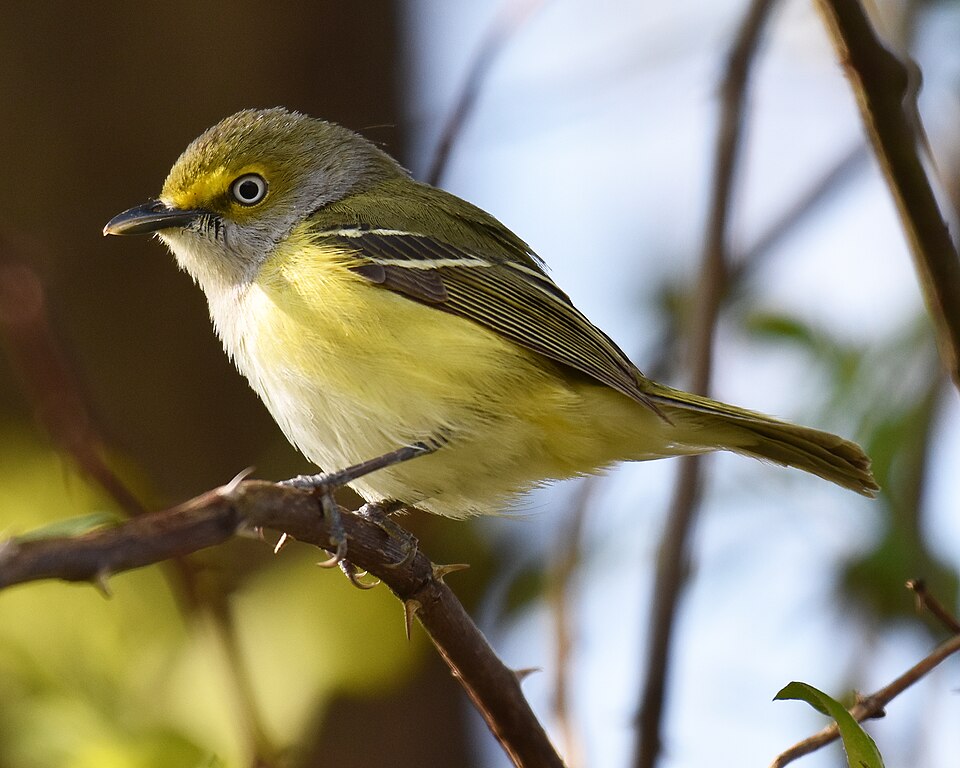

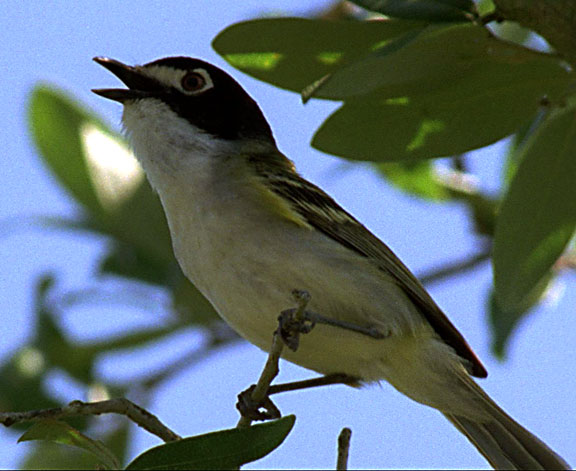

Birds Similar to the Hylophilus pusillus
These species are often confused with the Hylophilus pusillus due to similar appearance or overlapping range.

