Iraq Babbler
Turdoides altirostris
Order: Passeriformes / Family: Leiothrichidae

Wikimedia Commons
About the Iraq Babbler
The Iraq Babbler, Turdoides altirostris, is a fascinating member of the Leiothrichidae family, known for its sociable behavior and distinctive calls. This bird holds a particular affinity for the marshy habitats of the Mesopotamian wetlands in southern Iraq and southwestern Iran. Its gregarious nature makes it a key species for observing social structures in avian communities. As a year-round resident, the Iraq Babbler plays a significant role in the local ecosystem, contributing to seed dispersal and insect population control. This species is particularly adapted to the arid and semi-arid regions, showcasing its resilience and ecological adaptability. The Iraq Babbler's ecological importance cannot be overstated. In the reed beds and other wetland areas it inhabits, the bird engages in a variety of behaviors that help maintain the health of these ecosystems. Its foraging activities aid in controlling insect populations, while its nesting habits contribute to the vibrancy of the habitat. The bird's presence indicates a healthy wetland, as it thrives in areas with abundant vegetation and water sources. Seasonally, the Iraq Babbler does not exhibit long-distance migration, but it may move locally in response to changes in water levels and food availability. The Iraq Babbler's significance extends beyond its ecological role; it serves as a cultural symbol in Iraq, where its songs are cherished by local communities. Conservation of this bird, therefore, not only supports biodiversity but also preserves cultural heritage. Its population trends are closely monitored, as changes in its numbers can indicate shifts in environmental health. The Iraq Babbler reminds us of the intricate connections between species and their habitats.
The Iraq Babbler belongs to the family Leiothrichidae, within the order Passeriformes. These birds typically live average 4-5 years, with a maximum recorded of 6 years..
How to Identify a Iraq Babbler
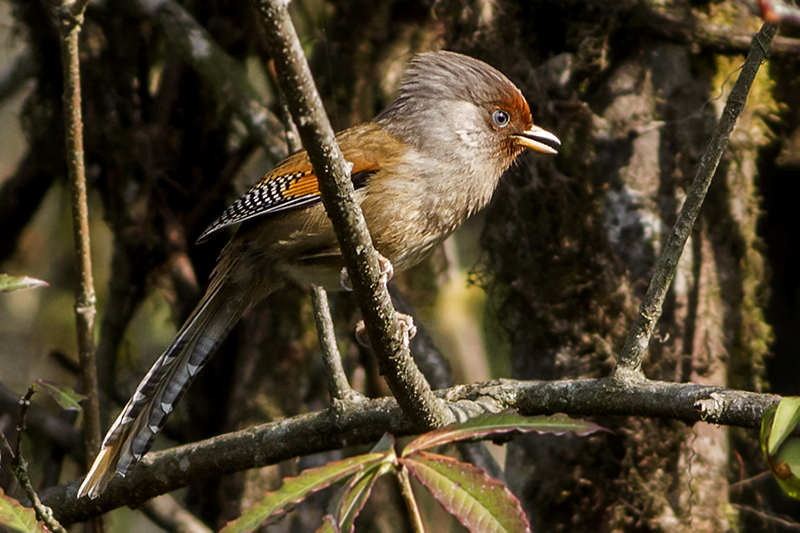
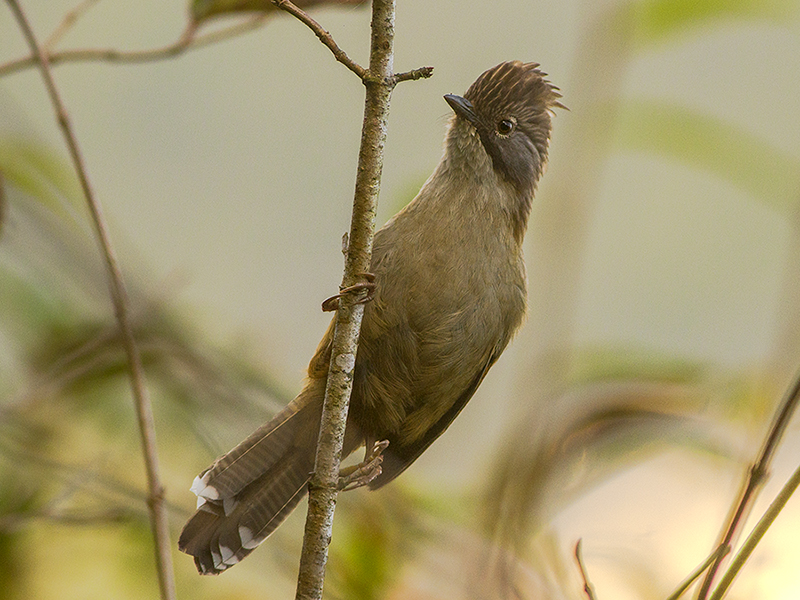
Identifying the Iraq Babbler involves noting its medium size and distinct buffy-brown plumage. Adults exhibit a uniform coloration with slightly darker wings and tail, which provides camouflage in their natural marshy environments. The underparts are paler, giving the birds a two-toned appearance. Juveniles resemble adults but have a slightly duller plumage. Male and female Iraq Babblers are monomorphic, meaning they exhibit no significant differences in appearance. This can make field identification based on gender challenging. However, their social behavior often reveals the presence of family groups rather than solitary individuals. In flight, the Iraq Babbler displays a robust silhouette with broad, rounded wings and a long tail. Its flight is typically short and direct, often switching to hopping and climbing through dense vegetation when foraging. When perched, it exhibits an upright posture, frequently cocking its tail. The Iraq Babbler can be confused with other babblers but is distinguished by its particular habitat preference and vocal patterns.
Having trouble telling birds apart? Upload a photo to our bird identification tool for an instant species match.
Iraq Babbler Habitat and Range
Preferred Habitat
The Iraq Babbler predominantly inhabits wetlands, particularly favoring dense reed beds and marshes. These habitats provide ample cover and abundant food resources. Found at low elevations, the bird thrives in the marshy regions of southern Iraq, specifically around the Tigris and Euphrates rivers. It demonstrates a preference for areas with permanent water sources, which support its insectivorous diet. Seasonal shifts may occur within these wetlands as the birds move following water levels and food availability. Unlike some species, the Iraq Babbler is not typically found in urban environments, preferring the tranquility and resources of rural marshlands.
Geographic Range
The range of the Iraq Babbler is relatively restricted, focusing primarily on the lowland marshes of southern Iraq and southwestern Iran. It is a resident species, meaning it does not undertake significant migratory journeys. Within its range, it is most commonly sighted in the Mesopotamian marshes, a biodiverse area that supports a variety of wildlife. Population density hotspots include areas near Basra and the Hawizeh Marshes, where the largest congregations of these birds tend to occur. The stable climatic conditions and abundant resources in these regions support the bird's year-round presence.
Want to know which birds visit your area? Browse our backyard birds by location guides for region-specific species lists.
What Does the Iraq Babbler Eat?
The Iraq Babbler's diet primarily consists of insects, which it forages for in the dense undergrowth of its wetland habitats. Its foraging technique involves hopping and climbing through reeds and vegetation, picking off prey with its sharp bill. In addition to insects, the bird consumes small fruits and seeds, particularly when insect availability decreases. During the breeding season, the diet shifts slightly to include a higher proportion of protein-rich insects, which are essential for chick development. Feeding typically occurs during the cooler parts of the day, such as early morning and late afternoon, to avoid the intense midday heat.
Iraq Babbler Behavior and Social Structure
The Iraq Babbler is a highly social bird, often observed in family groups that defend their territories vigorously. Territorial behavior includes vocal displays and physical confrontations with intruders. Courtship involves mutual preening and synchronized movements, reinforcing pair bonds. Flocking patterns vary seasonally, with larger groups forming in areas with abundant resources. The bird exhibits a strong response to predators, such as raptors, often mobbing them cooperatively to drive them away. Its daily activity pattern involves early morning foraging, followed by periods of rest during the hottest parts of the day. The bird resumes activity in the late afternoon.
Iraq Babbler Nesting and Reproduction
Nesting for the Iraq Babbler involves constructing a cup-shaped nest made from reeds, grasses, and other plant materials. The nest is typically located low in dense vegetation, providing concealment from predators. Clutch sizes range from three to five eggs, which both parents incubate. The incubation period lasts about 14 days, with the chicks fledging approximately two weeks after hatching. Both parents participate in feeding and caring for the young. The Iraq Babbler often raises one or two broods per year, depending on environmental conditions.
Iraq Babbler Sounds and Vocalizations
The primary song of the Iraq Babbler is a complex series of melodious notes, delivered with a distinctive rhythm and pitch. The song serves as both a territorial marker and a means of communication within groups. Call notes are varied, including harsh alarm calls that alert the group to potential threats. During the dawn chorus, the Iraq Babbler's song is particularly prominent, contributing to the vibrant soundscape of the marshes. Its vocalizations are sometimes compared to the chatter of other babblers, though with a unique tonal quality.
Interesting Facts About the Iraq Babbler
- 1The Iraq Babbler was first described scientifically in the early 20th century, showcasing the region's unique avian diversity.
- 2This bird is one of the few species endemic to the Mesopotamian marshes, illustrating its specialized habitat requirements.
- 3Iraq Babblers are known for their cooperative breeding behavior, with older offspring assisting in raising new chicks.
- 4The species' call repertoire is among the most varied of the babblers, reflecting its complex social interactions.
- 5During territorial disputes, Iraq Babblers may engage in aerial chases, demonstrating their agility and coordination.
- 6Studies show that Iraq Babblers have a flexible diet, adapting to seasonal changes in food availability.
- 7The Iraq Babbler's resilience makes it an important indicator species for the health of wetland ecosystems.
Iraq Babbler Conservation Status
The Iraq Babbler currently holds a status of Least Concern according to the IUCN, with a stable population trend. However, primary threats include habitat loss due to water diversion and wetland drainage. Conservation efforts focus on preserving and restoring wetland habitats, crucial for maintaining healthy populations. Historically, population numbers have fluctuated with changes in water management practices in the region. Continued monitoring and habitat protection are essential to ensure the bird's long-term survival.