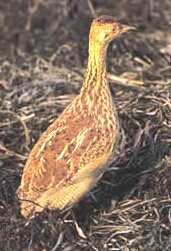
Nothura paludosa
Nothura paludosa
Order: Tinamiformes / Family: Tinamidae
About the Nothura paludosa
The Nothura paludosa, commonly referred to as the Lesser Nothura, is a member of the Tinamidae family, which includes some of the most ancient bird lineages. This small bird is predominantly found in the grasslands and marshes of South America, particularly in countries like Argentina, Brazil, and Paraguay. The Lesser Nothura plays a crucial ecological role in its habitat, acting as both a seed disperser and a prey species for larger birds and mammals. Its presence helps maintain the balance of these ecosystems. The species thrives in grasslands that offer plenty of cover and food resources, such as seeds and insects. Seasonal behaviors include subtle changes in their feeding patterns, as they may consume different seed types or insects depending on availability. During the breeding season, which typically aligns with the wetter months in its habitat, the Lesser Nothura exhibits territorial behaviors, with males often defending their chosen nesting sites vigorously. This species is significant as an indicator of ecosystem health; its presence or absence can reveal much about the state of its grassland and marsh environments. The Lesser Nothura is not migratory, but it may undertake localized movements to find optimal foraging grounds during periods of drought or food scarcity. Its ecological role extends beyond its immediate environment, influencing seed distribution patterns and providing a food source for a variety of predators. The bird's adaptability to shifting environmental conditions demonstrates its resilience, although it remains vulnerable to habitat destruction and changes in land use. Conservation efforts focus on preserving its natural habitat, ensuring the Lesser Nothura can continue to fulfill its ecological role.
The Nothura paludosa belongs to the family Tinamidae, within the order Tinamiformes. These birds typically live average 4-6 years, maximum recorded 9 years..
How to Identify a Nothura paludosa
The Lesser Nothura, or Nothura paludosa, is a small bird measuring about 25 centimeters in length. Its plumage is characterized by a warm buff color, with intricate patterns of black and brown on its back and wings. This cryptic coloration provides effective camouflage among the grasses and marsh vegetation it inhabits. Juveniles tend to have a duller plumage compared to adults, with less distinct patterning, which helps them blend into their surroundings as they mature. In terms of sexual dimorphism, males and females appear similar, making it challenging to distinguish between them in the field. However, during the breeding season, males may display slightly more vibrant plumage. The Lesser Nothura's flight silhouette is distinctive, featuring rounded wings and a short tail, suited to quick, low flights over grasslands. Its perching posture is typically horizontal, keeping a low profile to avoid detection by predators. Observers might confuse the Lesser Nothura with other tinamous, such as the Spotted Nothura, but differences in vocalizations and habitat preferences assist in accurate identification.
Having trouble telling birds apart? Upload a photo to our bird identification tool for an instant species match.
Nothura paludosa Habitat and Range
Preferred Habitat
The Lesser Nothura inhabits grasslands and wetlands, favoring areas with dense vegetation that provide cover from predators. It is commonly found at elevations ranging from sea level to about 1,500 meters. These birds thrive in regions where tall grasses and marsh plants dominate, such as the Pampas of Argentina and the Cerrado of Brazil. They are less common in urban areas, as they prefer the seclusion and resources of rural environments. The Lesser Nothura is non-migratory, maintaining a year-round presence in its preferred habitats. However, it may shift locations within these regions in response to seasonal changes in food availability or habitat conditions. During dry seasons, they might move to areas with remaining moisture and food resources.
Geographic Range
The Lesser Nothura's range is primarily concentrated in the southern regions of South America. Its breeding range includes the grasslands of northern Argentina, southern Brazil, and Paraguay. Throughout these countries, the Lesser Nothura maintains a relatively stable population, although it is more abundant in some areas than others. The bird does not undertake long-distance migrations but may move locally within its range to optimize food access and habitat conditions. Population density hotspots include the Pampas region and parts of the Brazilian Cerrado, where suitable habitat conditions prevail. This bird may also be occasionally found in Uruguay, contributing to its widespread but regionally concentrated distribution.
Want to know which birds visit your area? Browse our backyard birds by location guides for region-specific species lists.
What Does the Nothura paludosa Eat?
The diet of the Lesser Nothura primarily consists of seeds and small insects, making it an omnivorous forager. Its feeding technique involves foraging on the ground, using its beak to sift through soil and vegetation for food items. During wetter months, the bird's diet may shift slightly to include more insects, such as beetles and grasshoppers, which are abundant during this time. Conversely, in drier months, seeds form the bulk of its diet. The Lesser Nothura prefers feeding during the cooler hours of the day, typically at dawn and dusk, to avoid the heat and potential exposure to predators. Prey sizes range from tiny seeds to insects measuring a few centimeters, reflecting its flexible foraging strategy.
Nothura paludosa Behavior and Social Structure
The Lesser Nothura leads a predominantly solitary life, although it may form loose associations with others of its kind, especially outside of the breeding season. Territorial behavior becomes pronounced during the breeding period, with males establishing and defending territories to attract females. Courtship displays are subtle yet crucial, involving low calls and physical posturing to demonstrate vigor. The species exhibits a strong response to predators, often opting for stealth and camouflage rather than flight, relying on its cryptic plumage to avoid detection. Daily activity patterns revolve around foraging, with peaks during the cooler hours of the day. The Lesser Nothura adapts well to seasonal changes, altering its behavior in response to variations in food availability and habitat conditions.
Nothura paludosa Nesting and Reproduction
Nesting for the Lesser Nothura occurs on the ground, typically in well-concealed spots among dense grass or marsh vegetation. The nest is a simple scrape in the ground, sometimes lined with grasses or leaves to provide a softer surface for the eggs. Clutch size generally ranges from 3 to 5 eggs, with both parents sharing incubation duties, which last approximately 18 to 20 days. After hatching, the fledglings remain hidden under parental care, receiving protection and guidance. The fledging timeline spans about two weeks, during which the young birds develop rapidly under the watchful eye of their parents. The Lesser Nothura may raise one to two broods per year, depending on environmental conditions and food availability.
Nothura paludosa Sounds and Vocalizations
The primary song of the Lesser Nothura is a series of soft, low-pitched whistles that carry well through the dense grasslands it inhabits. These songs serve to establish territory and attract mates during the breeding season. Call notes are short and sharp, often used as contact calls between individuals. Alarm calls are more urgent and harsh, intended to alert fellow birds to potential danger. The bird participates in the dawn chorus, adding its subtle vocalizations to the symphony of grassland sounds. Compared to more melodious birds, the Lesser Nothura's calls are understated yet effective in communication.
Interesting Facts About the Nothura paludosa
- 1The Lesser Nothura belongs to one of the most ancient bird lineages, the Tinamidae family, which dates back millions of years.
- 2Despite its small size, the Lesser Nothura is a proficient runner, using its legs to quickly navigate through dense grass.
- 3Lesser Nothuras are known for their cryptic behavior, often remaining motionless to escape detection from predators.
- 4This bird is non-migratory but may move short distances to find optimal resources in response to environmental changes.
- 5The Lesser Nothura's plumage provides excellent camouflage, blending seamlessly with the grass and marsh environments it inhabits.
- 6Unlike many birds, both male and female Lesser Nothuras share incubation duties, fostering strong parental bonds.
- 7The Lesser Nothura's calls, although subtle, play a crucial role in maintaining social bonds and communication within its environment.
Nothura paludosa Conservation Status
The Lesser Nothura is currently classified as Least Concern by the IUCN, with a stable population trend. However, habitat loss due to agricultural expansion and land use changes poses a significant threat to its populations. Conservation efforts focus on preserving natural grasslands and wetlands, which serve as essential habitats for this and other grassland species. Historical population fluctuations have been noted, often correlated with changes in land management practices. Continued monitoring and habitat conservation are crucial to ensuring its long-term survival in the face of environmental and anthropogenic pressures.
Other Tinamidae Species


Birds Similar to the Nothura paludosa
These species are often confused with the Nothura paludosa due to similar appearance or overlapping range.