
Red-billed Leiothrix
Leiothrix lutea
Order: Passeriformes / Family: Leiothrichidae
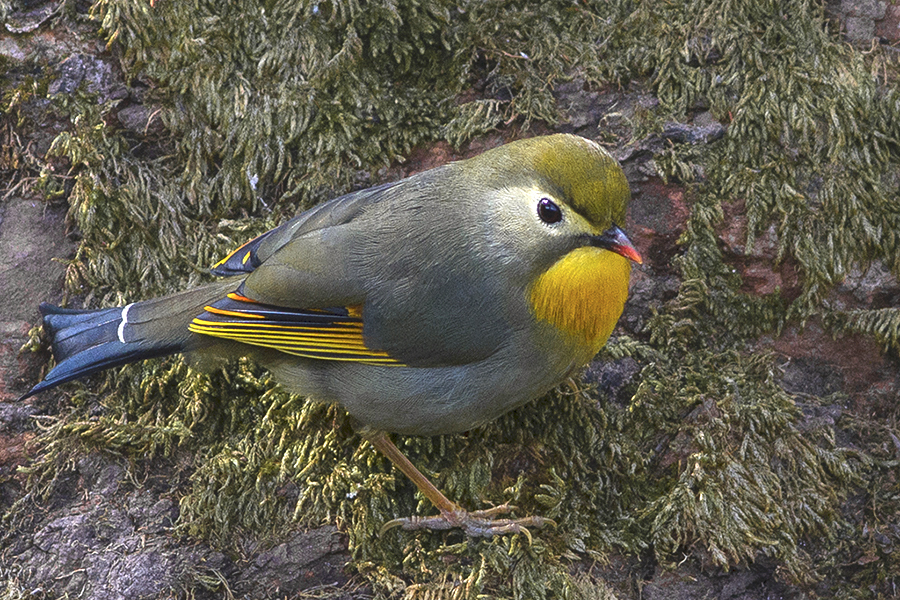
Wikimedia Commons
About the Red-billed Leiothrix
The Red-billed Leiothrix (Leiothrix lutea) is a small passerine bird with striking plumage and a melodious voice, native to Asia. It thrives in the subtropical and tropical forests of the Himalayas, ranging from Nepal through northern India to Bhutan and extending into southern China. These birds favor altitudes between 1,500 to 3,000 meters, where they inhabit dense undergrowth and bamboo thickets in both evergreen and deciduous woodlands. Beyond its native range, the Red-billed Leiothrix has been introduced to regions such as Japan and Hawaii, where it has established self-sustaining populations.
In its native habitat, the Red-billed Leiothrix plays a crucial ecological role as both a seed disperser and an insect predator. By consuming a variety of fruits and seeds, it aids in the germination and spread of numerous plant species. Its diet also includes insects and small invertebrates, which helps control pest populations. The bird's presence contributes to the biodiversity and health of its forest ecosystem.
Seasonally, the Red-billed Leiothrix demonstrates some altitudinal movements, particularly in response to food availability and climatic conditions. During winter, it may descend to lower elevations to escape harsh weather and find food, especially when snow covers its breeding grounds. This seasonal shift aligns with its need to search for berries and insects, which become scarcer in higher altitudinal zones during colder months.
The bird is also significant in local folklore and culture, often admired for its brilliant plumage and sweet song. Its introduction to non-native areas, however, has raised ecological concerns. In places like Hawaii, the Red-billed Leiothrix competes with native bird species for resources, highlighting the complex nature of its impact outside its original habitats.
The Red-billed Leiothrix belongs to the family Leiothrichidae, within the order Passeriformes. These birds typically live 7-10 years, with the longest recorded at 11 years.
How to Identify a Red-billed Leiothrix
Adult Red-billed Leiothrix are easily identifiable by their vivid coloration. They have olive green upperparts with a bright yellow-orange throat and chest. The wings are marked with a distinctive combination of red, yellow, and black, while their namesake red bill adds a vivid splash of color. Males and females appear similar, though males may exhibit slightly brighter plumage. Juveniles, by contrast, are duller, lacking the vibrant hues of adults and possessing a more subdued, olive-brown coloration.
In-flight, the Red-billed Leiothrix displays a graceful silhouette with rounded wings and a slightly forked tail. When perched, it maintains an upright posture, often flitting through dense foliage in search of food. This bird can be confused with the similar-looking Silver-eared Mesia, but the latter lacks the red bill and exhibits more pronounced black ear coverts.
Its songbird classification is evident in its vocalizations and lively demeanor. The Red-billed Leiothrix's calls and songs, combined with its bright colors, make it a delightful sight for bird watchers across its range. This bird's charming appearance and behavior contribute to its reputation as a favorite among avian enthusiasts.
Having trouble telling birds apart? Upload a photo to our bird identification tool for an instant species match.
Red-billed Leiothrix Habitat and Range
Preferred Habitat
The Red-billed Leiothrix inhabits a variety of forested environments, primarily thriving in subtropical and tropical montane forests. It prefers dense undergrowth in both evergreen and deciduous woodlands, often found in bamboo thickets and areas with abundant shrubbery. This bird is typically associated with altitudes ranging from 1,500 to 3,000 meters, favoring cooler climates of the mountainous regions.
Seasonal habitat shifts occur when the bird moves to lower elevations during the winter months to avoid harsh weather and scarcity of food. In urban and rural settings, the Red-billed Leiothrix has adapted to living in gardens and parks, where it finds adequate shelter and food sources. However, its primary preference remains the secluded and dense forested areas where it can thrive away from human interference.
Geographic Range
The Red-billed Leiothrix originally ranges across the dense forests of the Himalayas, primarily found in countries like Nepal, Bhutan, northern India, and southern China. It is a resident breeder in these regions, favoring high-altitude montane habitats. In addition to its native range, the Red-billed Leiothrix has been introduced to various locations such as Japan, Hawaii, and parts of Europe where it has established localized populations.
In its native range, the bird's population is relatively stable, with density hotspots in the Himalayan foothills and forested regions of southeastern Asia. During colder months, it exhibits altitudinal migration, moving to slightly lower elevations to access food and milder conditions. The introduction to non-native areas has seen varied success, with some populations firmly establishing while others remain small and localized.
Want to know which birds visit your area? Browse our backyard birds by location guides for region-specific species lists.
What Does the Red-billed Leiothrix Eat?
The Red-billed Leiothrix has an omnivorous diet, primarily feeding on fruit, seeds, and small invertebrates. Its diet changes seasonally, with a higher intake of berries and fruits during the summer and autumn when these resources are plentiful. In winter, the bird shifts to consuming more insects and seeds as fruit becomes scarcer.
Foraging typically occurs in the early morning and late afternoon, when the Red-billed Leiothrix actively searches through underbrush and foliage for food. It employs a methodical approach, often using its bill to probe and glean insects from leaves and bark. Prey size varies, but it generally targets small insects and larva, which provide a rich protein source during breeding seasons.
Red-billed Leiothrix Behavior and Social Structure
The Red-billed Leiothrix displays a variety of intriguing behaviors, often seen foraging in small flocks outside of the breeding season. These flocks can include mixed-species groups, providing safety and increased efficiency in food searching. Within its social structure, the Red-billed Leiothrix exhibits territorial behavior during breeding, with pairs fiercely defending their nests from intruders.
Courtship displays involve singing and mutual feeding between mates, strengthening pair bonds. The bird's response to predators includes quick, erratic flight and seeking refuge in dense vegetation. Its daily activity pattern consists of active foraging during the cooler parts of the day, resting and preening during midday heat, and engaging in social interactions as dusk approaches.
Red-billed Leiothrix Nesting and Reproduction
The Red-billed Leiothrix constructs cup-shaped nests using a combination of twigs, leaves, and moss, often lining them with softer materials for insulation. Nests are typically located in dense shrubbery or low trees, providing camouflage and protection from predators.
A typical clutch consists of 2 to 4 eggs, with both parents sharing the responsibilities of incubation and feeding. The incubation period lasts around 14 days, followed by a fledging period of approximately two weeks. Parental roles are relatively equal, with both male and female contributing to feeding and protecting the young. This species may produce two broods per year, depending on environmental conditions and food availability.
Red-billed Leiothrix Sounds and Vocalizations
The primary song of the Red-billed Leiothrix is a melodious series of whistles and trills, often described as a clear and flute-like melody. These songs are frequently heard during dawn and dusk, forming part of the bird's territorial and courtship behaviors. Its call notes consist of sharp, high-pitched chirps used for communication between flock members and as alarm signals when predators approach.
The Red-billed Leiothrix is also known for its engaging dawn chorus, a collective display of song that reinforces social bonds and territorial claims. This bird's vocalizations are reminiscent of other melodic songbirds, often compared to the warbling notes of thrushes and other forest-dwelling species.
Interesting Facts About the Red-billed Leiothrix
- 1The Red-billed Leiothrix, sometimes called the 'Pekin Robin,' can live up to 10 years in captivity, providing joy with its vibrant colors and song.
- 2This bird uses its bright red bill to probe under leaves and bark, efficiently finding hidden insects and larvae to feed on.
- 3The Red-billed Leiothrix's song repertoire includes over 20 distinct notes and phrases, making it a favorite among bird song enthusiasts.
- 4Introduced populations in Hawaii have adapted so well that the bird is now more common there than in some parts of its native range.
- 5The bird's nesting success often depends on its ability to blend its nest materials with the surrounding vegetation for camouflage.
- 6In Japan, the Red-billed Leiothrix is considered a symbol of love and fidelity, often featured in traditional art and literature.
- 7Despite its small size, the Red-billed Leiothrix can travel considerable distances during seasonal migrations to find suitable habitats.
Red-billed Leiothrix Conservation Status
The IUCN currently lists the Red-billed Leiothrix as Least Concern, with a stable population trend in its native range. Its adaptability to varying habitats has aided its resilience against specific threats. However, habitat loss due to deforestation and competition with introduced species pose ongoing challenges. Conservation efforts focus on preserving natural habitats and regulating introductions to non-native areas. Historical population changes have seen fluctuations, particularly in introduced regions, where ecological impacts necessitate careful monitoring. Despite these challenges, the Red-billed Leiothrix continues to thrive in many parts of its range, benefiting from conservation awareness and habitat protection initiatives.
Other Leiothrichidae Species


Birds Similar to the Red-billed Leiothrix
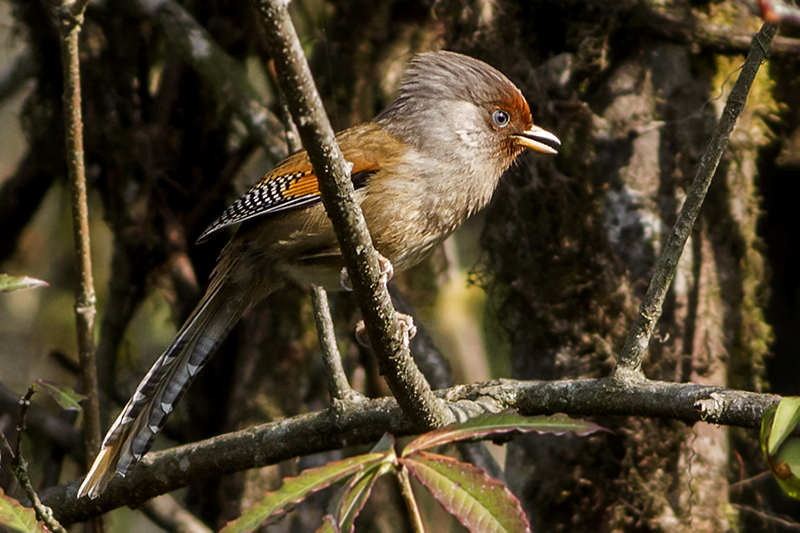
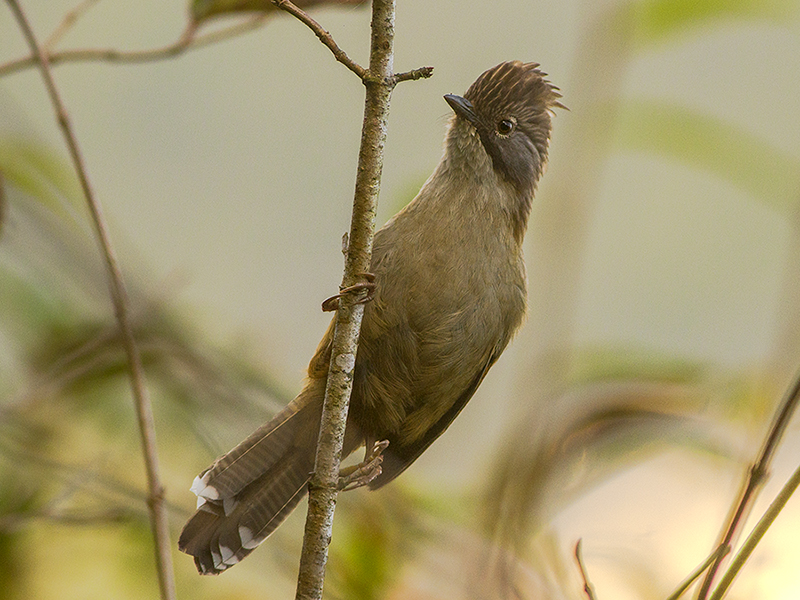
These species are often confused with the Red-billed Leiothrix due to similar appearance or overlapping range.

