
Rufous-backed Sibia
Minla annectens
Order: Passeriformes / Family: Leiothrichidae
Wikimedia Commons
About the Rufous-backed Sibia
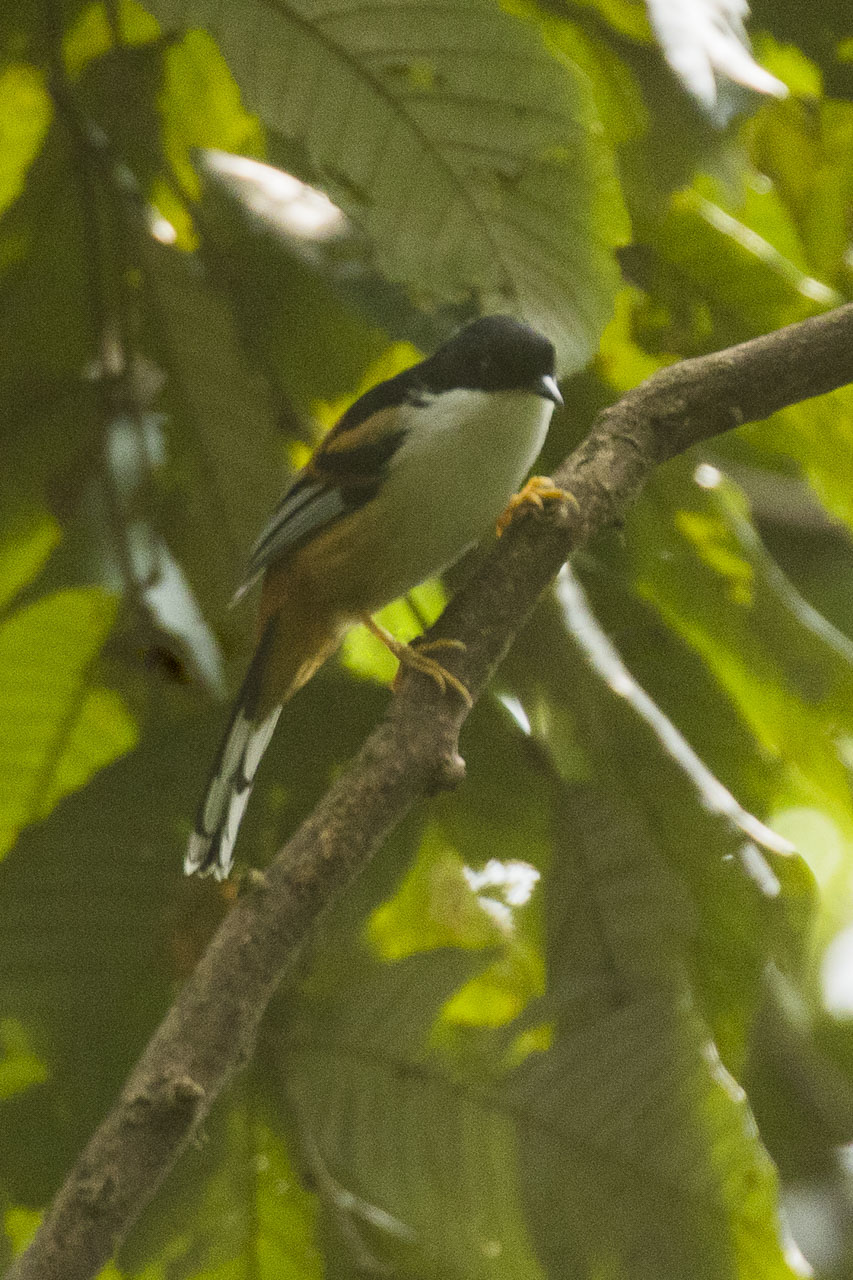
The Rufous-backed Sibia, scientifically known as Minla annectens, is an enchanting songbird found primarily in the forests of Asia. This bird belongs to the family Leiothrichidae and is renowned for its vibrant plumage and melodious vocalizations. Its presence is most prominent in the lush, subtropical forests of the eastern Himalayas, extending through northern India, Bhutan, and into parts of Southeast Asia. The Rufous-backed Sibia plays a vital role in its ecosystem, contributing to the pollination of various flowering plants and serving as both predator and prey in its complex food web. During the breeding season, this bird can often be observed participating in the dawn chorus, adding its rich, clear notes to the morning symphony. Seasonally, the Rufous-backed Sibia exhibits altitudinal movements, descending to lower elevations during the colder months. Its adaptability to various forest habitats, ranging from montane to lower-lying evergreen forests, allows it to exploit a range of ecological niches. The species tends to prefer elevations between 1,200 and 2,500 meters, where it finds an abundance of food resources and nesting sites. As an important seed disperser, the Rufous-backed Sibia aids in maintaining forest health and diversity. It is also a subject of interest for ornithologists and birdwatchers alike, who are drawn to its distinctive appearance and engaging behaviors. Despite its ecological importance, the Rufous-backed Sibia faces threats from habitat loss due to deforestation and land conversion. Conservation efforts focusing on habitat preservation are crucial to ensuring the continued presence of this captivating bird in its natural habitat.
The Rufous-backed Sibia belongs to the family Leiothrichidae, within the order Passeriformes. These birds typically live typically 5-7 years, with a maximum recorded lifespan of 9 years..
How to Identify a Rufous-backed Sibia
The Rufous-backed Sibia is a medium-sized bird, measuring approximately 22-24 cm in length. It is characterized by its rich rufous upperparts, which contrast strikingly with its white throat and underparts. The wings and tail exhibit a blend of black and white, with the tail feathers tipped in white, creating a distinctive pattern visible when in flight. Juvenile Rufous-backed Sibias resemble adults but have a more subdued coloration, lacking the full intensity of the rufous hue seen in mature birds. While males and females appear similar, the male may exhibit slightly brighter plumage during the breeding season. Confusion with similar species such as the Rufous Sibia (Heterophasia capistrata) is possible, but the Rufous-backed Sibia's white throat and contrasting wing pattern serve as key differentiators. In flight, the Rufous-backed Sibia displays a relatively slow, undulating flight pattern. When perched, it often adopts an upright stance, allowing for easy observation of its distinctive plumage.
Having trouble telling birds apart? Upload a photo to our bird identification tool for an instant species match.
Rufous-backed Sibia Habitat and Range
Preferred Habitat
The Rufous-backed Sibia primarily inhabits subtropical and temperate forests, favoring montane forests with dense understories. It thrives in mixed broadleaf forests, often in regions with high humidity and abundant foliage. Typical elevation ranges from 1,200 to 2,500 meters, though it may descend to lower elevations during winter. In India, it is commonly found in the forests of Arunachal Pradesh and Meghalaya. Its preference for forested areas means it is seldom seen in urban environments, though it may occasionally venture into rural gardens adjacent to its natural habitat. Seasonal habitat shifts include movement to lower elevations during colder months, where it finds suitable foraging grounds.
Geographic Range
The Rufous-backed Sibia has a distribution that spans several countries in Asia. Its breeding range includes the eastern Himalayan region, particularly in northern India, Bhutan, and Nepal. It is also found in parts of China, Myanmar, and Vietnam. The species is non-migratory but does exhibit altitudinal migration, moving to lower elevations during the winter months. High population densities are observed in the forests of the eastern Himalayas, where the bird takes advantage of the rich biodiversity for feeding and nesting. In China, the Rufous-backed Sibia can be found in the provinces of Yunnan and Sichuan, where it inhabits similar forested environments.
Want to know which birds visit your area? Browse our backyard birds by location guides for region-specific species lists.
What Does the Rufous-backed Sibia Eat?
The Rufous-backed Sibia primarily feeds on a diet of insects and small invertebrates, with a particular preference for caterpillars and beetles. During the breeding season, its diet shifts to include a higher proportion of protein-rich invertebrates to support the nutritional demands of raising young. In addition to insects, the Rufous-backed Sibia consumes a variety of fruits and berries, making it an important seed disperser. Its foraging technique involves gleaning insects from foliage and branches, often in mixed-species flocks. It also engages in aerial sallying to capture flying insects. Prey size typically ranges from small to medium-sized insects, and feeding activity peaks during the early morning and late afternoon.
Rufous-backed Sibia Behavior and Social Structure
Rufous-backed Sibias are generally social birds, often found in small groups or mixed-species flocks. These flocks can include other forest-dwelling species such as babblers and warblers. The Rufous-backed Sibia exhibits territorial behavior during the breeding season, with pairs defending their chosen nesting sites vigorously. Courtship displays involve the male performing song flights and presenting food to the female. This species is diurnal, with peak activity occurring in the early morning and late afternoon. In response to predators, the Rufous-backed Sibia employs mobbing behavior, joining other birds to drive away threats. Its daily activity pattern includes periods of foraging interspersed with rest and preening.
Rufous-backed Sibia Nesting and Reproduction
The nesting behavior of the Rufous-backed Sibia involves constructing a cup-shaped nest, typically in a fork of a tree branch. The nest is crafted from twigs, moss, and leaves, lined with softer materials such as feathers and grass. Preferred nesting locations are in dense foliage, providing concealment from predators. A typical clutch consists of 2 to 4 eggs, which are pale blue or green with reddish-brown speckles. The incubation period lasts around 14 to 16 days, primarily undertaken by the female, while the male assists in feeding the incubating female and guarding the nest. Once hatched, the chicks fledge approximately 14 to 18 days later. Rufous-backed Sibias may attempt two broods per year, depending on environmental conditions and food availability.
Rufous-backed Sibia Sounds and Vocalizations
The primary song of the Rufous-backed Sibia is a melodious series of clear, whistling notes that can be likened to a flute. Each phrase typically consists of 3 to 5 notes, repeated in a rhythmic pattern. Call notes include short, sharp chirps used for communication within flocks. Alarm calls are harsher and more rapid, serving to alert others to potential threats. During the dawn chorus, the Rufous-backed Sibia's song is prominent, blending with the calls of other early-rising species. Its vocalizations contribute to the rich acoustic environment of its forest habitat.
Interesting Facts About the Rufous-backed Sibia
- 1The Rufous-backed Sibia's scientific name, Minla annectens, reflects its close relation to the Minla genus, despite being reclassified.
- 2In the eastern Himalayas, the Rufous-backed Sibia contributes to the pollination of the Rhododendron species due to its nectar-feeding habits.
- 3This species is known to participate in mixed-species flocks, enhancing its foraging efficiency and protection against predators.
- 4The Rufous-backed Sibia can be identified by its unique flight silhouette, with its long tail and broad wings creating a distinct profile.
- 5Despite their vibrant plumage, Rufous-backed Sibias are adept at staying hidden in the dense foliage of their forest homes.
- 6The song of the Rufous-backed Sibia is often compared to the notes of a flute, making it a favorite among birdwatchers for its auditory appeal.
- 7Rufous-backed Sibias often engage in sunbathing, spreading their wings and tail to expose as much surface to sunlight as possible.
Rufous-backed Sibia Conservation Status
The Rufous-backed Sibia is currently classified as Least Concern by the IUCN. However, its population trend is decreasing, primarily due to habitat loss from deforestation and land conversion for agriculture. Conservation efforts focus on preserving large tracts of forest habitat and protecting key breeding areas. Historically, the species has maintained stable populations, but recent pressures necessitate increased conservation attention to mitigate further declines. Efforts include promoting sustainable land-use practices and establishing protected areas to safeguard critical habitats.
Other Leiothrichidae Species


Birds Similar to the Rufous-backed Sibia
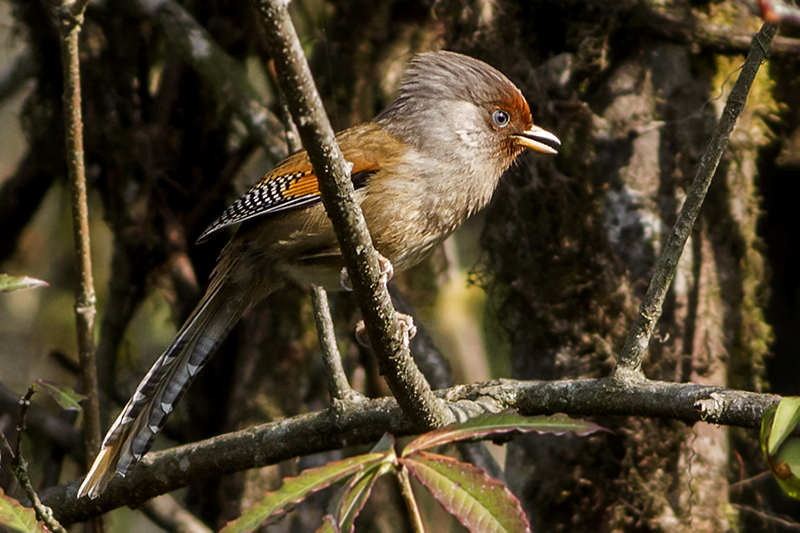
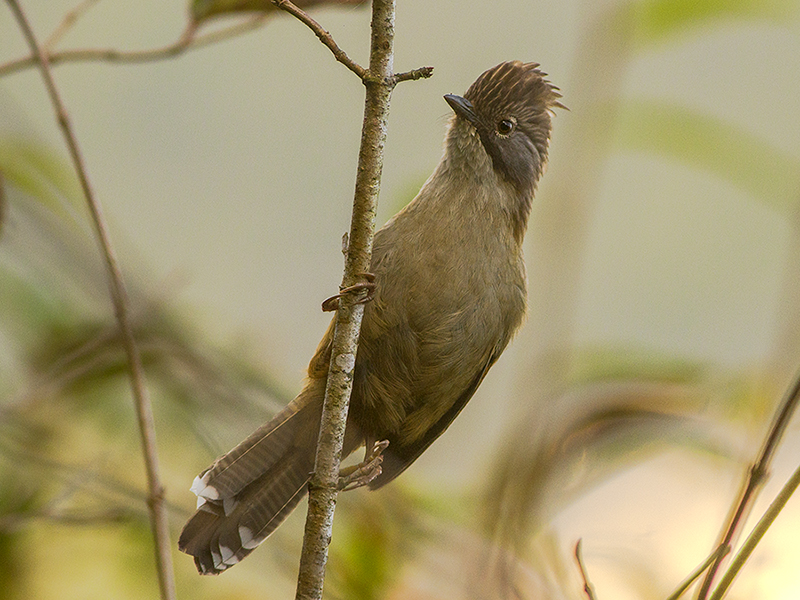
These species are often confused with the Rufous-backed Sibia due to similar appearance or overlapping range.

