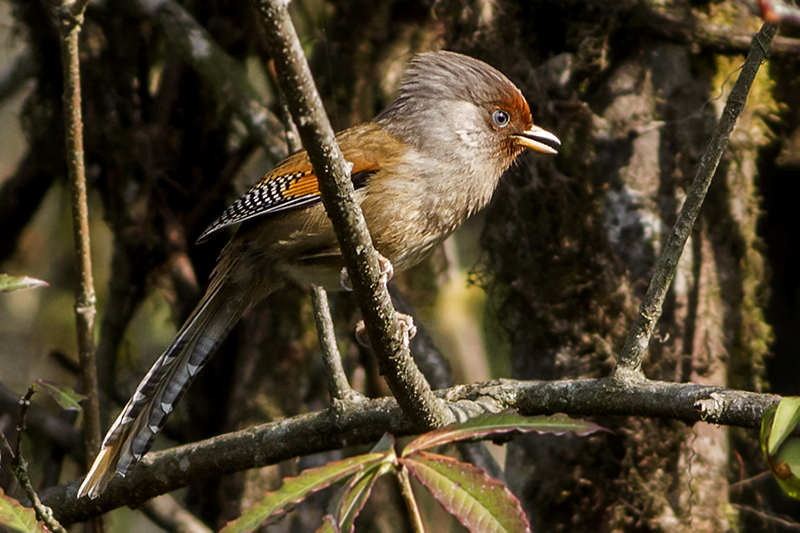
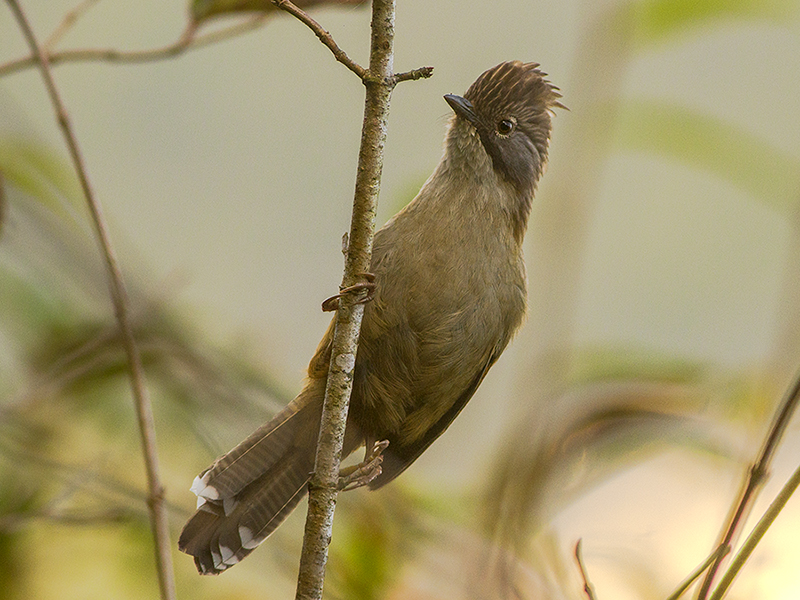
Rufous Chatterer
Turdoides rubiginosa
Order: Passeriformes / Family: Leiothrichidae

Wikimedia Commons
About the Rufous Chatterer
The Rufous Chatterer, scientifically known as Turdoides rubiginosa, is a small, gregarious bird that thrives in the dry and arid regions of northeastern Africa. This species, part of the Leiothrichidae family, exhibits a striking rufous coloration that sets it apart from other birds in its habitat. Found primarily in countries such as Sudan, Eritrea, Ethiopia, and Somalia, the Rufous Chatterer plays a vital role in its ecosystem as both a consumer of insects and a seed disperser. It often inhabits thorn scrub and dry savannah, where it forages in small, noisy groups. The importance of this bird extends to cultural aspects, as its presence and behavior often integrate into local folklore and traditions. The Rufous Chatterer's ecological role includes controlling insect populations, which in turn benefits agricultural practices in the regions it inhabits. During the breeding season, usually coinciding with periods of rainfall, the Rufous Chatterer becomes more territorial. This behavior ensures the protection of its nesting sites and food resources. Outside the breeding season, the bird's social nature sees it forming larger flocks, sometimes mingling with other Turdoides species. The Rufous Chatterer's adaptability to various habitats, from semi-desert to lightly wooded areas, showcases its resilience. Its ability to persist in challenging environments underscores its ecological significance. Seasonal behaviors include more active foraging during cooler hours of the day due to the intense daytime heat typical of its range. Overall, the Rufous Chatterer is an integral component of the northeastern African avian community, contributing to the ecological balance and biodiversity of the region.
The Rufous Chatterer belongs to the family Leiothrichidae, within the order Passeriformes. These birds typically live approximately 5-7 years in the wild..
How to Identify a Rufous Chatterer
The Rufous Chatterer exhibits a distinctive rufous plumage that is uniform across its head, back, and wings, making it easily identifiable. Adults showcase a more intense rufous coloration compared to juveniles, which may appear slightly duller with less-defined markings. Males and females are similar in appearance; however, males might appear marginally larger. The bird's underparts are lighter, with a subtle buffy hue on its chest and belly. Its eyes are dark and set against a pale face, enhancing its expressive appearance. In flight, the Rufous Chatterer displays a relatively short wingspan with rounded wings, creating a somewhat fluttery flight pattern. On perches, it often assumes a curious and upright posture, which, along with its constant tail flicking, aids in its identification. Confusion with similar species such as the Brown Babbler (Turdoides plebejus) is possible, but the Rufous Chatterer's more saturated rufous tones and chattering vocalizations serve as reliable differentiators. Observers should note the bird's size, which classifies it as medium, allowing for easier comparison with other babblers in its habitat.
Having trouble telling birds apart? Upload a photo to our bird identification tool for an instant species match.
Rufous Chatterer Habitat and Range
Preferred Habitat
The Rufous Chatterer primarily inhabits dry scrublands and arid savannahs, thriving in regions that offer scattered thorn bushes and grass. It prefers elevations from sea level up to 1,500 meters, although it is more commonly found in lower, warmer areas. Seasonal habitat shifts occur, with the bird seeking slightly denser shrubbery during the breeding season to provide better cover for nesting. While predominantly found in rural settings, the Rufous Chatterer occasionally ventures into the outskirts of urban areas, especially where human settlements encroach on natural habitats. Its ability to forage across multiple habitat types demonstrates significant adaptability, although it remains absent from heavily forested regions and pure desert environments.
Geographic Range
The Rufous Chatterer's range is primarily concentrated in the northeastern part of Africa. Breeding populations are established in countries like Sudan, Eritrea, Ethiopia, and Somalia. This bird does not migrate long distances but exhibits local movements in response to food availability and environmental conditions. While it maintains a stable presence within these areas year-round, the Rufous Chatterer may temporarily expand its range during wetter periods when resources are abundant. Population density tends to be higher in regions where thorn scrub and acacia woodlands are prevalent, as these habitats provide optimal foraging conditions and nesting sites. Despite its limited range, the Rufous Chatterer's adaptability ensures its continued prevalence in suitable environments.
Want to know which birds visit your area? Browse our backyard birds by location guides for region-specific species lists.
What Does the Rufous Chatterer Eat?
The Rufous Chatterer's diet primarily consists of insects and other small invertebrates, making it an effective insectivore. It frequently forages on the ground, using its sharp eyesight to detect prey among leaf litter and underbrush. This bird also consumes seeds and berries, especially during the dry season when insect availability declines. Its foraging technique involves a combination of hopping and short flights, allowing it to cover ground efficiently as it searches for food. Prey items typically include ants, beetles, and caterpillars, all of which are abundant in its habitat. The Rufous Chatterer often forages in groups, a strategy that increases its success rate by disturbing more insects. Feeding occurs throughout the day, with peaks in activity during the cooler morning and late afternoon hours.
Rufous Chatterer Behavior and Social Structure
The Rufous Chatterer is a highly social bird, often observed in small groups that communicate via constant chattering. This vocal interaction plays a crucial role in maintaining group cohesion and alerting members to potential threats. Territorial behavior becomes prominent during the breeding season when pairs defend their nesting sites aggressively. Courtship displays involve males performing subtle wing flicks and vocalizations to attract females. Outside the breeding season, the Rufous Chatterer exhibits more relaxed territorial boundaries, allowing groups to merge and form larger flocks. The presence of predators, such as hawks, prompts a collective defensive response, with individuals issuing alarm calls to warn the group. Daily activity patterns revolve around foraging and resting, with the bird most active during the cooler parts of the day.
Rufous Chatterer Nesting and Reproduction
The Rufous Chatterer builds cup-shaped nests, typically placed within dense shrubbery or low trees to conceal them from predators. Nests are constructed using twigs, grass, and leaves, providing a sturdy structure for the eggs. Clutch sizes range from two to four eggs, with both parents contributing to incubation, which lasts approximately 14 days. Once hatched, chicks remain in the nest for about two weeks, during which time they receive constant care and feeding from both parents. The Rufous Chatterer may raise up to two broods per year, depending on environmental conditions and food availability. This reproductive strategy ensures the continued survival and propagation of the species despite potential threats from predation and habitat disturbance.
Rufous Chatterer Sounds and Vocalizations
The primary song of the Rufous Chatterer comprises a series of harsh, chattering notes delivered in rapid succession. This vocalization serves both as a contact call within groups and a territorial signal during the breeding season. Alarm calls are sharper and more urgent, designed to alert others to imminent danger. At dawn, the Rufous Chatterer's calls contribute to the chorus of sounds typical of their habitat, although their distinct rhythm stands out against the backdrop. The bird's calls can be compared to the sound of marbles clinking together, a unique characteristic that aids in identification.
Interesting Facts About the Rufous Chatterer
- 1The Rufous Chatterer's distinctive calls have earned it local names that mimic the sound it makes, emphasizing its vocal nature.
- 2Despite its small size, the Rufous Chatterer exhibits a fierce territoriality during the breeding season, defending its area aggressively.
- 3Rufous Chatterers often engage in cooperative breeding, where non-breeding individuals help care for chicks in the group.
- 4These birds have adapted well to human-altered landscapes, sometimes nesting in gardens and plantations near rural areas.
- 5In Eritrea, the Rufous Chatterer is often associated with folklore, believed to bring good fortune to those who hear its morning call.
- 6The Rufous Chatterer's diet includes a variety of insects, making it an important natural pest control agent in its habitat.
- 7Groups of Rufous Chatterers can often be seen sunbathing in the morning, a behavior that helps regulate their body temperature.
Rufous Chatterer Conservation Status
The Rufous Chatterer currently holds a status of Least Concern on the IUCN Red List, with populations considered stable. However, habitat destruction and fragmentation due to agricultural expansion pose ongoing threats. Conservation efforts focus on preserving natural habitats and promoting sustainable land-use practices. Historically, the Rufous Chatterer has adapted to changing environments, but continued pressures from human activities could impact local populations. Monitoring programs aim to track population trends and implement conservation strategies as needed to ensure the species' long-term viability.