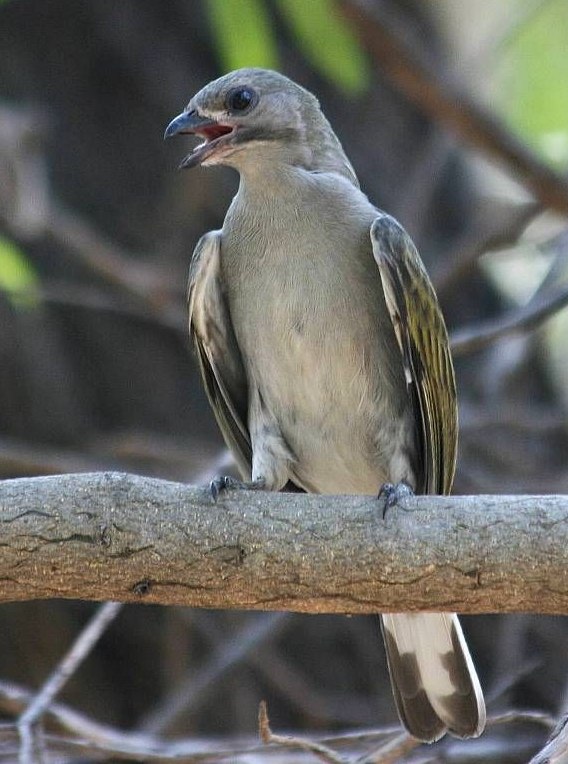
Rufous-crowned Bee-eater
Merops americanus
Order: Coraciiformes / Family: Meropidae

Wikimedia Commons
About the Rufous-crowned Bee-eater
The Rufous-crowned Bee-eater, scientifically known as Merops americanus, captivates bird enthusiasts with its vivid colors and dynamic behaviors. This member of the Meropidae family showcases a remarkable array of hues, making it one of the most visually stunning avian species in its range. Typically found in the Philippines, including the islands of Luzon and Mindanao, the Rufous-crowned Bee-eater inhabits a variety of landscapes. These include forest edges, open woodlands, and gardens, where its presence enhances the natural palette with a mix of greens, blues, and rufous shades.
This species plays a crucial ecological role as both a predator and prey. It feeds primarily on insects, thus controlling insect populations and contributing to the balance of its ecosystem. As a prey species, it supports the diets of larger birds and mammals. The Rufous-crowned Bee-eater is particularly significant due to its insectivorous diet, which helps manage pest populations, benefiting both natural and agricultural systems.
Beyond its ecological contributions, the Rufous-crowned Bee-eater is a symbol of vibrant biodiversity in the tropical regions it inhabits. The bird's seasonal behaviors include distinct migratory patterns within its local range, often moving between different elevations and habitats in response to food availability. During breeding season, typically from March to June, these bee-eaters exhibit complex courtship displays that highlight their aerial agility and striking plumage. These seasonal activities not only ensure their survival but also add dynamic interactions to their environments, attracting both local and international birdwatchers seeking to witness their beauty and behavior firsthand.
The Rufous-crowned Bee-eater belongs to the family Meropidae, within the order Coraciiformes. These birds typically live average 7-9 years, with a maximum recorded of 12 years..
How to Identify a Rufous-crowned Bee-eater
The Rufous-crowned Bee-eater is a medium-sized bird, measuring approximately 25 to 30 centimeters in length. Its most distinctive feature is the rufous crown, which contrasts vividly with the bright green of its upperparts. The face is adorned with a striking black eye stripe, which enhances its expressive look. Underneath, the bird exhibits a blend of green and blue, with a lighter, more bluish hue on the throat and chest that fades into a bright green belly.
Adult plumage is characterized by a more pronounced rufous crown compared to the juveniles, which display a subtler coloration and lack the full intensity of the adults' plumage. Both male and female Rufous-crowned Bee-eaters exhibit similar plumage, making gender differentiation in the field challenging. However, slight variations can occur, with males sometimes presenting slightly brighter colors.
In flight, the Rufous-crowned Bee-eater presents a sleek silhouette, with long, pointed wings and an extended tail that aids in its agile, swift maneuvers. When perched, it often adopts an upright posture, showcasing its colorful plumage to full effect. Confusion with other bee-eater species is minimized by its distinct rufous crown and the specific color combination of its plumage.
Having trouble telling birds apart? Upload a photo to our bird identification tool for an instant species match.
Rufous-crowned Bee-eater Habitat and Range
Preferred Habitat
The Rufous-crowned Bee-eater thrives in diverse habitats, primarily in tropical and subtropical regions. It favors forest edges, open woodlands, and areas with scattered trees, which provide ample opportunities for foraging and nesting. These habitats offer the bird a rich supply of insects, which form the bulk of its diet.
Elevation-wise, the Rufous-crowned Bee-eater can be found from sea level up to mountainous regions, often adjusting its location based on seasonal food availability. During certain times of the year, it may be observed in more urban settings where gardens and parks offer suitable foraging grounds. However, it remains more commonly associated with rural and semi-rural environments that provide both tree cover and open spaces necessary for its hunting techniques.
Seasonal habitat shifts are evident as the bird moves between elevations and habitat types, often in response to rainfall patterns and the subsequent abundance of prey. This adaptability allows the Rufous-crowned Bee-eater to exploit a variety of ecological niches throughout the year.
Geographic Range
The Rufous-crowned Bee-eater is predominantly found in the Philippines, where it occupies a range of habitats across several islands. While it is a resident species, it exhibits some local migratory behavior, often moving between different islands or elevations within the archipelago in response to environmental conditions and food availability.
During the breeding season, these bee-eaters are more concentrated in forested areas, which provide ample nesting sites and protection. Outside of breeding, they can disperse more widely, sometimes moving into more open areas or agricultural lands where insect prey is abundant.
Population density hotspots include the islands of Luzon, Mindanao, and occasionally Palawan, where the species is more frequently observed. Its presence in these regions highlights the bird's adaptability to different environments, ranging from dense forests to more open, human-altered landscapes.
Want to know which birds visit your area? Browse our backyard birds by location guides for region-specific species lists.
What Does the Rufous-crowned Bee-eater Eat?
The Rufous-crowned Bee-eater primarily feeds on insects, with a marked preference for flying insects such as bees, wasps, and dragonflies. This dietary preference aligns with its name and its role as an aerial insectivore. It uses its keen eyesight to spot prey while perched or in flight, often capturing insects mid-air with precise aerial maneuvers.
Seasonal changes in diet can occur, largely dictated by the availability of different insect species throughout the year. During certain periods, when bees and wasps are more prevalent, they form a significant part of the diet. At other times, the bee-eater may consume a broader range of insects, including beetles and butterflies.
Foraging techniques are dynamic, with the bee-eater employing both aerial sallies and ground foraging to maximize its dietary intake. The bird typically hunts in the early morning and late afternoon, when insect activity peaks, ensuring it capitalizes on the most abundant feeding opportunities.
Rufous-crowned Bee-eater Behavior and Social Structure
Rufous-crowned Bee-eaters are social birds, often observed in small to medium-sized flocks, particularly outside the breeding season. These flocks engage in cooperative foraging, which enhances their efficiency in capturing prey. The social structure within flocks is relatively egalitarian, with no strong dominance hierarchy evident.
Territorial behavior becomes more pronounced during the breeding season, when pairs establish and defend nesting sites. Courtship displays are elaborate, involving aerial chases and vocalizations that strengthen pair bonds. These displays serve both in attracting mates and in reinforcing existing pair bonds.
In response to predators, the Rufous-crowned Bee-eater exhibits swift and agile flight, often taking refuge in dense foliage. It may also issue alarm calls to alert other members of its flock to the presence of danger. Daily activities are marked by periods of intense foraging interspersed with rest and social interactions, with peak activity occurring in the cooler parts of the day.
Rufous-crowned Bee-eater Nesting and Reproduction
The Rufous-crowned Bee-eater displays unique nesting habits, favoring excavated burrows for its nests. These burrows are typically dug into sandy banks or soft earth, providing protection from predators and environmental elements. Nesting sites are chosen based on the availability of suitable digging substrates, often along riverbanks or road cuttings.
A typical clutch consists of 3 to 5 eggs, which are incubated by both parents. Incubation lasts approximately 20 to 22 days, with both male and female sharing duties. After hatching, the chicks remain in the nest for about 30 days before fledging.
Parental care is shared, with both parents involved in feeding and protecting the young. The species is capable of raising multiple broods per year, depending on environmental conditions and food availability, which enables it to maintain stable population levels despite variable breeding success.
Rufous-crowned Bee-eater Sounds and Vocalizations
The Rufous-crowned Bee-eater produces a melodic, high-pitched call that is often described as a series of trills and whistles. The primary song, used in both communication and territorial defense, is a rhythmic sequence of clear, rapid notes that carry well over distances.
Alarm calls are sharper and more abrupt, designed to alert nearby flock members to potential threats. During the dawn chorus, the bird's calls are more frequent and varied, contributing to the vibrant soundscape of its habitat.
Compared to other bee-eater species, its vocalizations are more melodic and less harsh, offering a musical quality that can be both charming and distinctive, aiding in identification even when the bird is not in view.
Interesting Facts About the Rufous-crowned Bee-eater
- 1The Rufous-crowned Bee-eater can catch and consume up to 250 insects in a single day, showcasing its efficiency as a predator.
- 2This species often nests in colonies, with multiple pairs using the same sandy bank or cliff face, facilitating social interaction.
- 3Unlike many birds, the Rufous-crowned Bee-eater is known to regurgitate pellets consisting of insect exoskeletons and other indigestible parts.
- 4The bird's ability to distinguish and avoid stinging insects like bees and wasps is a testament to its adapted hunting strategies.
- 5Its vibrant plumage serves not only for display but also provides camouflage among the colorful tropical foliage of its habitat.
- 6The Rufous-crowned Bee-eater exhibits a unique flight display during courtship, involving acrobatic swoops and dives.
- 7This bee-eater's call is so distinct that it can often be used as an indicator of the bird's presence even before it is seen.
Rufous-crowned Bee-eater Conservation Status
The Rufous-crowned Bee-eater is currently listed as Least Concern by the IUCN, with a stable population trend. Its adaptability to various habitats, including modified landscapes, contributes to its resilience. However, habitat destruction due to deforestation and agricultural expansion poses potential threats. Conservation efforts focus on habitat preservation and restoration, particularly in areas where deforestation is prevalent. Historical population changes have generally been stable, but ongoing monitoring is essential to ensure this continues amidst changing environmental conditions. Local conservation programs aim to raise awareness about the species and the importance of preserving its habitats, promoting sustainable practices that benefit both the Rufous-crowned Bee-eater and broader ecological communities.