Southern Pied-Babbler
Turdoides bicolor
Order: Passeriformes / Family: Leiothrichidae

Wikimedia Commons
About the Southern Pied-Babbler
The Southern Pied-Babbler (Turdoides bicolor) is a medium-sized songbird belonging to the family Leiothrichidae. This bird is an emblem of the savannas and semi-arid regions of southern Africa, particularly thriving in countries like South Africa, Botswana, and Namibia. Its striking black and white plumage makes it easily distinguishable as it flits through the bushveld and dry woodlands. The Southern Pied-Babbler plays a significant role in its ecosystem, acting as both predator and prey. By consuming a variety of insects and small vertebrates, it helps control the population of these creatures while serving as a food source for larger birds of prey and mammals. The species is known for its cooperative breeding behavior, where offspring from previous broods assist in raising new chicks. This behavior not only enhances the survival rate of the young but also strengthens the social bonds within the group. The Southern Pied-Babbler is a resident bird, meaning it does not migrate but may make local movements in response to changing environmental conditions. During the dry season, these birds are more likely to be seen near water sources, as they adapt their foraging behavior to the availability of resources. As the rainy season begins, they become more active, taking advantage of the increased food supply to breed. This adaptability ensures their continued presence in their preferred habitats, even as climate patterns shift. The Southern Pied-Babbler's presence in the ecosystem extends beyond its immediate interactions with other species. As highly social creatures, they engage in complex vocal communications, which play a crucial role in maintaining group cohesion and coordinating activities. These vocalizations, along with their conspicuous plumage, make them a favorite among bird watchers and nature enthusiasts visiting southern Africa.
The Southern Pied-Babbler belongs to the family Leiothrichidae, within the order Passeriformes. These birds typically live average 6-8 years, with a maximum recorded of 10 years..
How to Identify a Southern Pied-Babbler
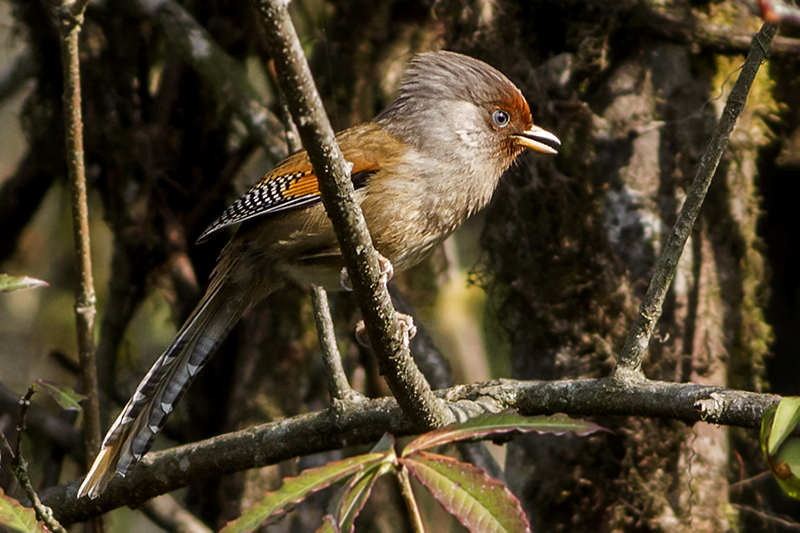
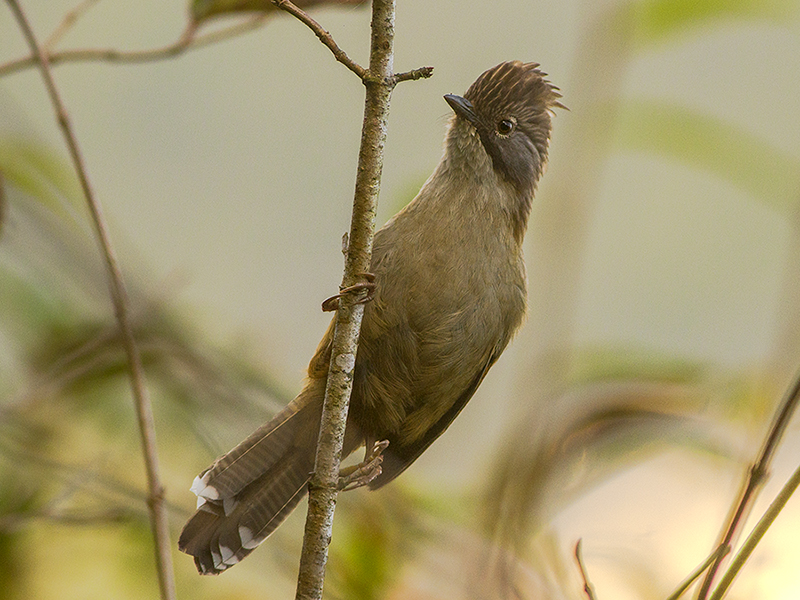
The Southern Pied-Babbler is easily identified by its distinctive plumage. Adults display a striking contrast between their glossy black head, throat, and upper chest, and their white underparts and back. This black-and-white coloration is unique among the babblers, which helps avoid confusion with similar species in their range. Juveniles, however, have a more muted coloration, with the black areas appearing more grayish until they reach maturity. Males and females are similar in appearance, making it challenging to distinguish between the sexes without close observation of behavior, particularly during the breeding season. In flight, the Southern Pied-Babbler's rounded wings and long tail are apparent, and their flight is typically short and direct, often from one bush to another. When perched, they exhibit an upright posture, often engaging in bouts of preening or interacting vocally with group members. Their movements are deliberate, with a characteristic hopping motion as they forage on the ground.
Having trouble telling birds apart? Upload a photo to our bird identification tool for an instant species match.
Southern Pied-Babbler Habitat and Range
Preferred Habitat
The Southern Pied-Babbler inhabits a variety of semi-arid and arid environments. It is most commonly found in dry woodlands, such as acacia or mopane forests, and savanna regions across southern Africa. These habitats provide the necessary cover and foraging opportunities. The species prefers altitudes from sea level up to 1500 meters. While they favor rural and natural areas, they can occasionally be found on the outskirts of urban environments, particularly where there are patches of native vegetation. Seasonal shifts influence their habitat usage, with a tendency to move closer to water sources during drier periods.
Geographic Range
The Southern Pied-Babbler's range is primarily limited to southern Africa, encompassing countries like Namibia, Botswana, Zimbabwe, and northern South Africa. They are non-migratory, remaining within these regions year-round, though they may shift locally in response to environmental changes like food availability or water scarcity. Population densities are highest in areas where the preferred habitat - dry woodland and savanna - is abundant. Despite the relatively limited range, the birds are considered common within it, thriving in areas that have remained relatively undisturbed by human activity.
Want to know which birds visit your area? Browse our backyard birds by location guides for region-specific species lists.
What Does the Southern Pied-Babbler Eat?
The diet of the Southern Pied-Babbler primarily consists of insects, such as beetles and grasshoppers, which they forage from the ground and low vegetation. They also consume small vertebrates, including lizards, when available. Seasonal variations in food availability cause them to adapt their diet, incorporating more plant material like seeds and fruits during times of insect scarcity. Their foraging technique involves group cooperation, with members spreading out to cover a larger area while staying within vocal range. Prey size typically ranges from small insects to medium-sized invertebrates, which they consume throughout the day, with peak feeding activity occurring during the cooler morning and late afternoon hours.
Southern Pied-Babbler Behavior and Social Structure
The Southern Pied-Babbler exhibits complex social behavior, living in cohesive groups that range from 3 to 15 individuals. These groups are characterized by a clear social hierarchy, which dictates feeding order and breeding roles. Territorial behavior is pronounced, with groups actively defending their area from intruders through vocal displays and physical confrontations. Courtship displays involve synchronized movements and vocalizations between potential mates. During the breeding season, cooperative breeding occurs, where non-breeding individuals assist with nest construction, feeding, and protecting the young. The Southern Pied-Babbler's daily activities include foraging, preening, and social interactions. They are primarily diurnal, with peak activity during the early morning and late afternoon. When faced with predators, they employ mobbing tactics, using loud alarm calls to deter the threat.
Southern Pied-Babbler Nesting and Reproduction
Nesting for the Southern Pied-Babbler involves constructing cup-shaped nests made from twigs, grasses, and other plant materials, often lined with softer fibers. These nests are typically located in the fork of a tree or shrub, about 1 to 3 meters above the ground. The species typically lays 2 to 5 eggs per clutch, with an incubation period of around 14 to 16 days. Both parents share incubation duties, although the female usually spends more time on the nest. Once hatched, the chicks remain in the nest for approximately 18 to 21 days before fledging. The group dynamics play a crucial role in raising the young, as older offspring and other group members assist with feeding and protecting the chicks. Southern Pied-Babblers typically have two broods per year, taking advantage of favorable conditions during the rainy season.
Southern Pied-Babbler Sounds and Vocalizations
The Southern Pied-Babbler's primary song is a series of melodious whistles and chatters, often described as a clear, flute-like tone interspersed with chattering notes. These songs are crucial for maintaining group cohesion and are often heard during the morning hours. In addition to their primary song, they use various call notes to communicate within the group, including soft contact calls and louder alarm calls. Alarm calls are sharp and piercing, serving to alert the group to potential threats. The dawn chorus of the Southern Pied-Babbler is particularly notable, as it marks the beginning of their daily activities and serves to reinforce social bonds within the group.
Interesting Facts About the Southern Pied-Babbler
- 1Southern Pied-Babblers exhibit cooperative breeding, where up to 80% of nests have helpers assisting the breeding pair.
- 2Their complex vocalizations include over 20 distinct calls used for different social interactions.
- 3They engage in allopreening, a behavior where individuals groom each other's feathers to strengthen social bonds.
- 4Southern Pied-Babblers are known to engage in sentinel behavior, where one member watches for predators while others forage.
- 5The species' populations are resilient to moderate habitat disturbance, thriving in areas with mixed vegetation types.
- 6They have a unique dust bathing behavior, often using sandy patches to clean their feathers and remove parasites.
- 7Research shows that their cooperative behaviors increase the survival rate of offspring by up to 50%.
Southern Pied-Babbler Conservation Status
The Southern Pied-Babbler is currently classified as Least Concern by the IUCN, with a stable population trend. Despite their restricted range, they are relatively common within it, benefiting from their adaptability to semi-arid environments. Primary threats include habitat loss due to agricultural expansion and urbanization. Conservation efforts focus on preserving natural habitats and maintaining the ecological balance within their ecosystems. Historical population data suggests that while some local populations have declined due to habitat degradation, the overall population remains stable.