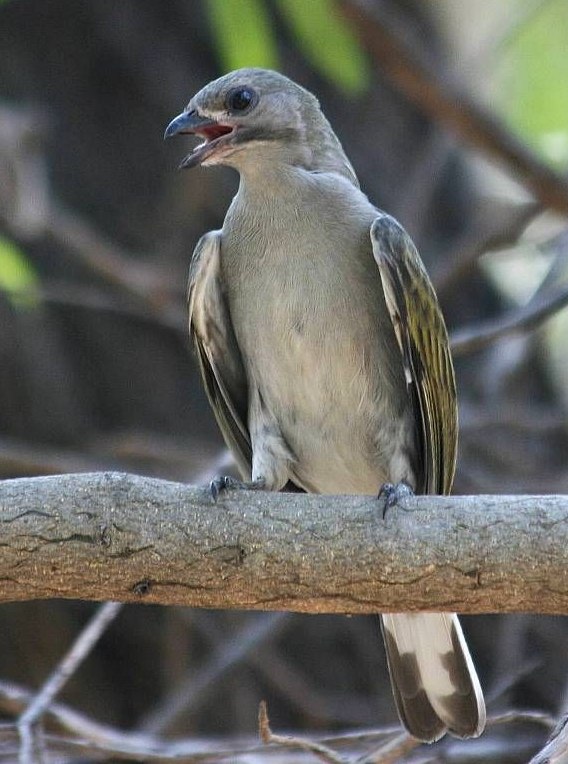
African Green Bee-eater
Merops viridissimus
Order: Coraciiformes / Family: Meropidae

Wikimedia Commons
About the African Green Bee-eater
The African Green Bee-eater, Merops viridissimus, is a small, graceful bird renowned for its vivid green plumage and striking blue facial markings. This member of the Meropidae family thrives in sub-Saharan Africa, where it occupies a variety of habitats from arid savannas to lush river valleys. Its presence in these diverse environments underscores its adaptability and ecological significance. The African Green Bee-eater plays a crucial role in controlling insect populations, particularly bees and wasps, which it deftly catches during flight. This bird's territorial behavior and social structure are intricately tied to its ecological niche. Typically observed in pairs or small family groups, the African Green Bee-eater exhibits complex social interactions and a cooperative breeding system. During the breeding season, which aligns with the rainy months of March to June, these birds engage in remarkable aerial displays as part of their courtship rituals. These displays often involve tandem flights and acrobatic maneuvers that underscore their agility and precision in the air. The African Green Bee-eater's ecological role extends beyond insect control, as it serves as a prey species for larger avian predators. Its vibrant plumage and dynamic behaviors make it a favorite subject for birdwatchers and photographers alike. In recent years, the African Green Bee-eater's range has expanded into semi-urban areas, illustrating its ability to adapt to changing landscapes. However, habitat loss and pesticide use pose significant threats to its population. Conservation efforts focus on habitat preservation and the promotion of sustainable agricultural practices to ensure the long-term survival of this captivating species.
The African Green Bee-eater belongs to the family Meropidae, within the order Coraciiformes. These birds typically live average 5-8 years with a maximum recorded of 12 years..
How to Identify a African Green Bee-eater
The African Green Bee-eater is easily recognizable by its bright green plumage, complemented by a distinctive blue throat and a narrow black stripe running through its red eyes. Adults measure about 24 centimeters in length, with a slender build and pointed wings that enhance their aerodynamic flight. The tail feathers often end in elongated central streamers, adding elegance to their silhouette. Males and females are similar in appearance, though males may exhibit slightly longer tail streamers. Juveniles resemble adults but feature duller colors and lack the fully developed streamers. In flight, the African Green Bee-eater's silhouette is sleek and agile, characterized by rapid wingbeats and occasional glides. When perched, it adopts an upright posture, often on exposed branches or wires, scanning the surroundings for prey. This species is sometimes confused with the similar-looking Swallow-tailed Bee-eater, but the latter can be distinguished by its forked tail and broader yellow throat. The African Green Bee-eater's combination of bright green and blue hues, coupled with its swift flight, make it a striking presence in any landscape it inhabits.
Having trouble telling birds apart? Upload a photo to our bird identification tool for an instant species match.
African Green Bee-eater Habitat and Range
Preferred Habitat
The African Green Bee-eater primarily inhabits open landscapes such as savannas, grasslands, and scrublands across sub-Saharan Africa. It prefers areas with scattered trees or bushes that provide suitable perching sites. This species is adaptable, ranging from sea level to elevations of about 2,000 meters. It often frequents riverbanks and wetlands, where insect activity is abundant. Seasonal shifts in habitat use are common, with some populations moving to agricultural lands during the breeding season. Urban presence is increasing as these birds adapt to human-modified environments, often seen in gardens and city parks. Despite this adaptability, natural habitats remain crucial for their breeding and feeding needs.
Geographic Range
The African Green Bee-eater's range spans much of sub-Saharan Africa, with populations found from Senegal and the Gambia in the west to Ethiopia and Somalia in the east. It extends southwards through Kenya, Tanzania, and into the northern regions of South Africa. This bird is primarily a resident species, although some local movements occur in response to seasonal changes in food availability and habitat conditions. Breeding populations are particularly dense in areas with abundant insect life, such as river valleys and savannas. While the species is generally widespread, its distribution is patchy in regions where suitable habitats are fragmented or heavily impacted by human activities.
Want to know which birds visit your area? Browse our backyard birds by location guides for region-specific species lists.
What Does the African Green Bee-eater Eat?
The African Green Bee-eater is an insectivore, with a diet predominantly consisting of bees, wasps, and other flying insects. During different seasons, the bird's diet may include beetles, dragonflies, and grasshoppers, adapting to the availability of prey. This species employs a distinctive foraging technique, catching insects mid-flight with remarkable precision. It often returns to a favored perch to consume its catch, removing stingers from bees and wasps by repeatedly striking them against the perch. The African Green Bee-eater typically feeds during the cooler hours of the day, such as early morning and late afternoon, when insect activity peaks. Its hunting prowess and dietary flexibility make it a vital component of the ecosystems it inhabits.
African Green Bee-eater Behavior and Social Structure
The African Green Bee-eater exhibits a fascinating social structure and engaging behaviors. It often forms small flocks outside the breeding season, demonstrating a cooperative and social nature. These birds are territorial, with pairs or family groups defending their feeding and nesting areas against intruders. Courtship involves elaborate aerial displays, where males perform acrobatic flights and present food to potential mates. During breeding, cooperative breeding can occur, with non-breeding individuals assisting in raising young. The African Green Bee-eater remains active during the day, with peak activity during the cooler morning and evening hours. When predators approach, these birds emit a sharp alarm call and often mob the threat in groups, showcasing their strong social bonds and communal defense strategies.
African Green Bee-eater Nesting and Reproduction
The nesting habits of the African Green Bee-eater are intriguing and involve significant cooperative effort. This species typically nests in sandy banks or flat ground, where it excavates a tunnel about 1 to 2 meters long, ending in a nesting chamber. The breeding season aligns with the rainy months, providing ample food for the young. A typical clutch consists of 3 to 5 white eggs, which are incubated by both parents for about 20 to 22 days. After hatching, both parents participate in feeding the chicks, which fledge approximately 25 to 30 days after hatching. The species often raises one to two broods per year, with helpers sometimes assisting in feeding and protecting the young, showcasing their cooperative breeding system.
African Green Bee-eater Sounds and Vocalizations
The African Green Bee-eater is known for its distinctive vocalizations, characterized by a series of soft, melodic notes. The primary song consists of a repeated "chirrup" or "chit-chit-chit," often delivered in flight or from a prominent perch. These calls serve various functions, including mate attraction and territory defense. Alarm calls are sharper and more urgent, alerting flock members to potential threats. During the dawn chorus, these birds contribute a gentle, rhythmic melody that blends with other avian sounds. Their calls, though not loud, are clear and resonate in the open landscapes they inhabit.
Interesting Facts About the African Green Bee-eater
- 1The African Green Bee-eater can consume up to 250 bees or wasps in a single day, showcasing its remarkable appetite.
- 2This species exhibits a unique behavior of removing stingers from bees and wasps by striking them against its perch before consumption.
- 3African Green Bee-eaters are known for their cooperative breeding, where non-breeding birds assist in raising the young.
- 4During courtship, both male and female African Green Bee-eaters participate in synchronized flights, a graceful aerial display.
- 5The bird's adaptability to semi-urban environments illustrates its resilience and ability to coexist with human activities.
- 6African Green Bee-eaters often nest in colonies, with several pairs excavating tunnels in the same sandy bank.
- 7Despite their name, African Green Bee-eaters also consume a variety of other insects, demonstrating dietary flexibility.
African Green Bee-eater Conservation Status
According to the IUCN Red List, the African Green Bee-eater is currently classified as Least Concern, with a stable population trend. However, habitat destruction and pesticide use pose significant threats to this species' long-term viability. Conservation efforts focus on habitat preservation and promoting sustainable agricultural practices that reduce pesticide reliance. Historical data indicate that populations have remained relatively stable, although localized declines occur in heavily cultivated or urbanized areas. Continued monitoring and habitat management are essential to ensure that this vibrant bird continues to thrive across its range.