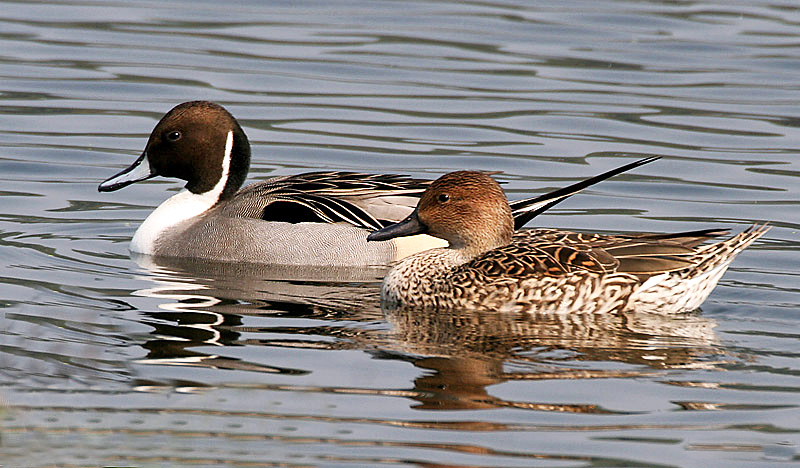
American Black Duck
Anas rubripes
Order: Anseriformes / Family: Anatidae

Wikimedia Commons
About the American Black Duck
The American Black Duck (Anas rubripes) is a robust waterbird native to eastern North America. It plays a vital ecological role in the region's wetland ecosystems. This species is known for its adaptability and resilience, often inhabiting marshes, bays, and lakes. American Black Ducks are particularly significant in their role as indicators of wetland health. They contribute to the biodiversity of these areas by participating in food webs, serving both as predators and prey.
Throughout the year, the American Black Duck exhibits distinct seasonal behaviors. During breeding season, which occurs in spring and early summer, they are found in freshwater wetlands, often in wooded or densely vegetated areas in parts of Canada and the northeastern United States. As the seasons change, these ducks migrate to coastal saltwater marshes along the Atlantic Flyway, reaching as far south as the Gulf Coast. This migration highlights their impressive adaptability to various wetland habitats.
American Black Ducks are an integral part of the cultural and natural heritage of the eastern United States. Historically, they have been highly prized by hunters and birdwatchers alike. Conservationists focus on protecting their habitats from threats such as pollution and habitat loss, ensuring that future generations can continue to appreciate these remarkable birds.
The American Black Duck belongs to the family Anatidae, within the order Anseriformes. These birds typically live average lifespan is 2-4 years, with a maximum recorded age of 26 years..
How to Identify a American Black Duck
The American Black Duck is a medium to large waterbird, with a length ranging from 48 to 58 centimeters. Adult males and females display similar plumage, characterized by dark, chocolate-brown bodies with lighter brown heads and necks. This uniform coloration helps distinguish them from other duck species. Their wings exhibit a striking contrast with a purple-blue speculum bordered by black and white stripes, visible in flight and at rest.
Juvenile American Black Ducks resemble adults but tend to have a lighter, more mottled appearance. When comparing males and females, subtle differences may include slightly brighter plumage in males, though both sexes are generally indistinguishable in the field. One of the most notable features is their olive-green bills, which can help differentiate them from the closely related Mallard.
In flight, the American Black Duck presents a distinct silhouette with broad wings and a slightly arched neck. They are strong fliers, capable of swift, direct flight. Perched or on the water, their posture is upright and alert, often accompanied by a subtle nodding of the head. This combination of features makes them easily recognizable for experienced birders.
Having trouble telling birds apart? Upload a photo to our bird identification tool for an instant species match.
American Black Duck Habitat and Range
Preferred Habitat
American Black Ducks predominantly inhabit freshwater and saltwater wetlands. They are commonly found in marshes, swamps, rivers, and coastal bays. Their preferred habitats include areas with abundant aquatic vegetation and ample cover, such as cattails and reeds. These ducks are adaptable, thriving in both urban and rural settings, though they tend to avoid areas heavily disturbed by human activity.
During breeding season, American Black Ducks favor secluded freshwater wetlands, often choosing sites in forested regions or along the edges of ponds. As winter approaches, they shift to coastal salt marshes and estuaries, where they find food and milder climates. This seasonal movement exemplifies their adaptability to different wetland types, ensuring their survival across a broad geographical range.
Geographic Range
The American Black Duck's breeding range spans eastern Canada and the northeastern United States. Key regions include the Maritime Provinces, Maine, and the Great Lakes. During winter, they migrate to coastal areas along the Atlantic Flyway, extending from New England to the Gulf of Mexico. Some populations reside year-round in milder coastal regions, avoiding the harshest winter conditions.
These ducks follow specific migration corridors, often using stopover sites rich in resources to replenish energy reserves. While their population is primarily concentrated in the eastern United States and Canada, occasional sightings occur in the central and southern United States, reflecting their adaptability and expansive range.
Want to know which birds visit your area? Browse our backyard birds by location guides for region-specific species lists.
What Does the American Black Duck Eat?
The diet of the American Black Duck consists largely of aquatic plants, seeds, and invertebrates. They forage by dabbling, tipping forward in shallow water to reach submerged vegetation. Primary food sources include wild rice, sedge seeds, and various aquatic grasses. Invertebrates such as snails, insects, and small crustaceans are essential components, especially during the breeding season when protein demand increases.
Seasonal changes influence their diet, with a shift towards plant matter in winter when animal prey is less available. Their foraging schedule typically involves morning and evening activity, capitalizing on the cover of low light to avoid predators.
American Black Duck Behavior and Social Structure
American Black Ducks exhibit a social structure characterized by loose associations and temporary pair bonds during the breeding season. They form monogamous pairs, engaging in elaborate courtship displays that include head bobbing and vocalizations. Outside of the breeding season, they often gather in small flocks, especially in winter when they forage in coastal marshes.
Territorial behavior is pronounced during the breeding season, with males defending nesting areas from intruders. In response to predators, these ducks rely on their cryptic coloration and secretive behavior, often remaining hidden among dense vegetation. Their daily activity patterns involve alternating periods of feeding and resting, with increased nocturnal activity during migration.
American Black Duck Nesting and Reproduction
American Black Ducks typically build nests on the ground, concealed in dense vegetation near water. The nests are constructed from grasses, reeds, and other plant materials, lined with down for insulation. Preferred nesting sites include marshes, small islands, and forest edges that offer protection from predators.
A typical clutch consists of 6 to 12 eggs, which the female incubates for about 23 to 30 days. After hatching, the ducklings are precocial, leaving the nest within a day to follow their mother to water. The female alone tends to the young, guiding them to feeding areas and ensuring their safety. The fledging period lasts approximately 60 days, after which the juveniles become independent.
American Black Duck Sounds and Vocalizations
The primary vocalization of the American Black Duck is a series of loud, raspy quacks, similar to that of a Mallard but deeper in tone. Females typically produce these calls, especially during courtship and when alerting their mates. Males emit softer, quieter notes. Alarm calls are sharp and abrupt, used to signal potential threats. During the dawn chorus, these ducks contribute to the vibrant wetland soundscape, their quacks blending with the calls of other waterfowl.
Interesting Facts About the American Black Duck
- 1The American Black Duck is one of the largest dabbling ducks, weighing up to 1.6 kilograms.
- 2Its olive-green bill helps distinguish it from the Mallard, which has a yellow bill.
- 3American Black Ducks can travel up to 1,500 kilometers during migration.
- 4These ducks are known to hybridize with Mallards, complicating identification.
- 5The species' population was once over 1 million but has decreased significantly.
- 6They are more elusive than Mallards, often preferring less disturbed habitats.
- 7Black Ducks were historically called "Dusky Ducks" due to their dark plumage.
American Black Duck Conservation Status
The American Black Duck is currently listed as a species of least concern by the IUCN. Despite this status, its population has experienced declines due to habitat loss, hunting pressure, and competition with the Mallard. Conservation efforts focus on habitat restoration, such as wetland preservation and pollution control, to support population recovery. Historically, American Black Duck numbers were higher, but concerted efforts have stabilized recent declines.
Other Anatidae Species


Birds Similar to the American Black Duck
These species are often confused with the American Black Duck due to similar appearance or overlapping range.