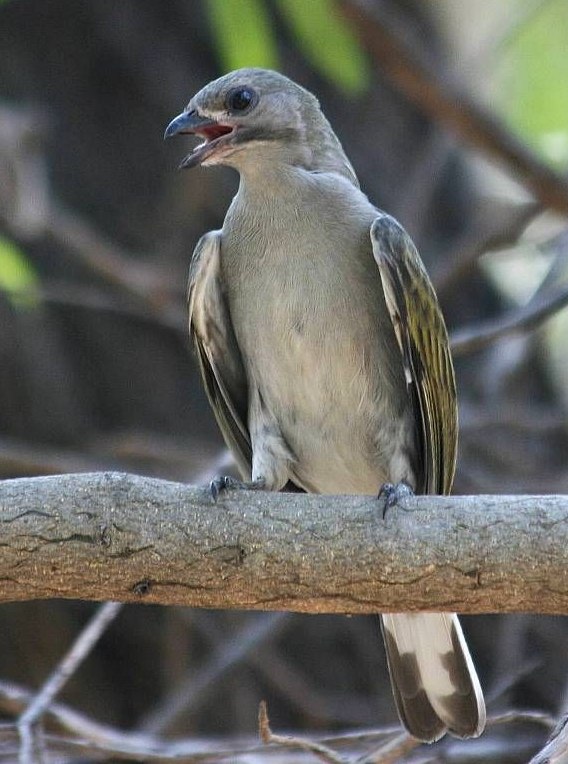
Böhm's Bee-eater
Merops boehmi
Order: Coraciiformes / Family: Meropidae

Wikimedia Commons
About the Böhm's Bee-eater
Böhm's Bee-eater (Merops boehmi) is an exquisite member of the Meropidae family, known for its striking green plumage and lively behavior. This species inhabits the savanna and open woodland regions of southeastern Africa, particularly in countries such as Malawi, Zambia, and Mozambique. These birds thrive in areas where they can exploit their primary food source, bees and other flying insects, making them an integral component of the local ecosystem by controlling insect populations.
In the ecological web, Böhm's Bee-eater plays a critical role as both predator and prey. By feeding on potentially numerous insects, they help maintain the balance of various insect populations, indirectly benefiting agriculture and reducing the spread of insect-borne diseases. Conversely, they serve as prey for larger birds of prey and small mammals, linking them intricately into the food chain.
Böhm's Bee-eater is also a species of interest due to its vibrant plumage and complex social behaviors. Unlike many solitary bird species, this bee-eater often forms small, loose colonies, particularly around nesting sites. These colonies are not just for breeding purposes but also for social interaction, which includes mutual preening and cooperative hunting. During the breeding season, typically aligning with the rainy season, these birds exhibit fascinating courtship displays that involve aerial acrobatics and food sharing, strengthening pair bonds.
Seasonally, Böhm's Bee-eater may exhibit slight shifts in habitat preference, favoring areas with abundant insect populations. Their presence in an area can often indicate a healthy, biodiverse environment. As insect populations fluctuate with the seasons, so do the movements and population densities of these bee-eaters, marking them as a dynamic presence within their ecosystem.
The Böhm's Bee-eater belongs to the family Meropidae, within the order Coraciiformes. These birds typically live average 4-5 years with a maximum recorded of 7 years..
How to Identify a Böhm's Bee-eater
Böhm's Bee-eater is a small to medium-sized bird, measuring about 21-23 cm in length. Its plumage is predominantly bright green, with a slightly darker green back and wings. The face features a distinctive black eye stripe that contrasts with the bright yellow throat, a hallmark of the species. The underparts are a lighter green, blending seamlessly with the rest of the body.
Adults display a striking blue rump and tail, with the central tail feathers elongated and ending in delicate streamers, a feature more pronounced in males. Females are similar in appearance but may have slightly shorter tail streamers. Juveniles can be identified by their duller plumage and the absence of the long tail streamers, which develop as they mature.
In flight, Böhm's Bee-eater's silhouette is characterized by long, pointed wings and a distinctive forked tail. Their agile flight pattern is well-suited for aerial hunting, and when perched, they often sit upright on branches, scanning the area for prey. Confusion with other bee-eaters may occur; however, their distinctive coloration and tail streamers aid in identification.
Having trouble telling birds apart? Upload a photo to our bird identification tool for an instant species match.
Böhm's Bee-eater Habitat and Range
Preferred Habitat
Böhm's Bee-eater predominantly inhabits savanna and open woodland ecosystems, where they can find both adequate perching sites and abundant insect prey. These habitats are typically characterized by scattered trees and bushes, providing the necessary vantage points for hunting. In countries like Malawi and Zambia, they are often found near riverine areas and edges of forests that offer rich insect life.
The elevation range for Böhm's Bee-eater can vary, but they are generally found from lowland areas up to 1,500 meters in altitude. During the breeding season, they may prefer habitats near sandy banks or soft soil areas suitable for nesting burrows.
While mostly found in rural settings, Böhm's Bee-eater can occasionally adapt to semi-urban environments provided there is sufficient greenery and insect availability. They are, however, less commonly found in dense forests or completely urbanized areas.
Geographic Range
Böhm's Bee-eater is a resident species in southeastern Africa, with a range extending across several countries. They are primarily found in Malawi, Zambia, Mozambique, and parts of Tanzania. These areas provide the ideal combination of climate and habitat for their survival and breeding.
Unlike some migratory bee-eater species, Böhm's Bee-eater tends to remain in its habitat year-round, although local movements may occur in response to seasonal variations in insect abundance. During periods of food scarcity, these birds may expand their range slightly, venturing into new territories in search of prey.
Population density tends to be higher in regions with abundant food sources and suitable nesting sites. River valleys and savanna regions with plentiful insect populations often host larger numbers of this species, making these areas critical for their conservation.
Want to know which birds visit your area? Browse our backyard birds by location guides for region-specific species lists.
What Does the Böhm's Bee-eater Eat?
Böhm's Bee-eater primarily feeds on bees, hence its name, but its diet includes a variety of other flying insects such as wasps, beetles, and dragonflies. Their foraging technique involves sallying from a perch to capture insects mid-air with remarkable precision. They prefer open areas where they can easily spot and pursue their prey.
Seasonal changes in insect populations can lead to shifts in diet composition, with a greater reliance on certain insect types during specific times of the year. For instance, during the rainy season, when insect activity is high, their diet may become more diverse.
These birds typically forage during the cooler parts of the day, in the early morning and late afternoon, avoiding the peak midday heat. They are often seen in small groups, which can help increase foraging efficiency as individuals benefit from each other's presence when locating food.
Böhm's Bee-eater Behavior and Social Structure
Böhm's Bee-eater exhibits a fascinating array of social behaviors, often forming small colonies during the breeding season. These colonies, while loosely structured, facilitate cooperative activities such as mutual preening and communal roosting, enhancing social bonds among individuals.
Territorial behavior is evident, especially during the nesting period, with pairs defending their chosen nesting sites against intruders. Courtship displays involve aerial acrobatics and ritualized food offerings, where males present captured insects to females, a behavior that reinforces pair bonds.
Flocking patterns vary with the season, with larger groups forming outside the breeding season. These flocks provide safety in numbers, especially when responding to potential threats such as raptors. Daily activity is generally divided between foraging in the morning and late afternoon, with resting or preening occurring during the hotter midday hours.
Böhm's Bee-eater Nesting and Reproduction
Böhm's Bee-eater nests in burrows they excavate themselves, typically in sandy banks or flat ground with soft soil. The choice of nesting site is crucial, requiring both suitable substrate for digging and proximity to reliable food sources.
The clutch size usually consists of 2-5 eggs, with both parents sharing incubation duties over a period of approximately 18-21 days. After hatching, the fledging period lasts around 24-30 days, during which both parents continue to feed and care for the young birds.
Parental roles are strongly cooperative, with both males and females participating in all aspects of rearing the young. Böhm's Bee-eater generally produces one brood per year, although in favorable conditions, they may attempt a second nesting.
Böhm's Bee-eater Sounds and Vocalizations
The primary song of Böhm's Bee-eater is a series of soft, melodic notes, often described as a gentle "pru-pru-pru" repeated in quick succession. These calls are most frequently heard during the early morning hours as part of their dawn chorus, a behavior that establishes territory and attracts mates.
In addition to their song, Böhm's Bee-eater produces a variety of call notes used for communication within their colonies. Alarm calls are sharper and more urgent, serving to alert other members of the group to potential dangers. These vocalizations, while not as complex as those of some songbird species, are an important aspect of their social interaction.
Interesting Facts About the Böhm's Bee-eater
- 1Böhm's Bee-eater is named after the German zoologist Richard Böhm, who first described the species in the late 19th century.
- 2Despite their name, Böhm's Bee-eaters are not entirely reliant on bees; they consume a wide range of flying insects.
- 3The bee-eater's iridescent plumage appears to change color depending on the light, which can aid in camouflage against predators.
- 4These birds are capable of removing the stingers from bees and wasps by repeatedly striking the insect against a hard surface.
- 5Böhm's Bee-eater can fly at speeds of up to 40 km/h when pursuing prey, showcasing their exceptional agility in the air.
- 6Colonies of Böhm's Bee-eaters can consist of up to 20 pairs, although they may also nest singly in some areas.
- 7The presence of Böhm's Bee-eater in an area often indicates a healthy, insect-rich environment.
Böhm's Bee-eater Conservation Status
Currently, Böhm's Bee-eater is listed as Least Concern by the IUCN, with stable population trends across its range. Despite this, the species faces potential threats from habitat destruction due to agricultural expansion and deforestation. Conservation efforts focus on preserving their natural habitats and maintaining healthy insect populations. Historically, Böhm's Bee-eater has maintained stable populations, largely due to its adaptability to various savanna habitats. Continued monitoring and habitat protection are essential to ensuring the species remains secure in the face of environmental changes.