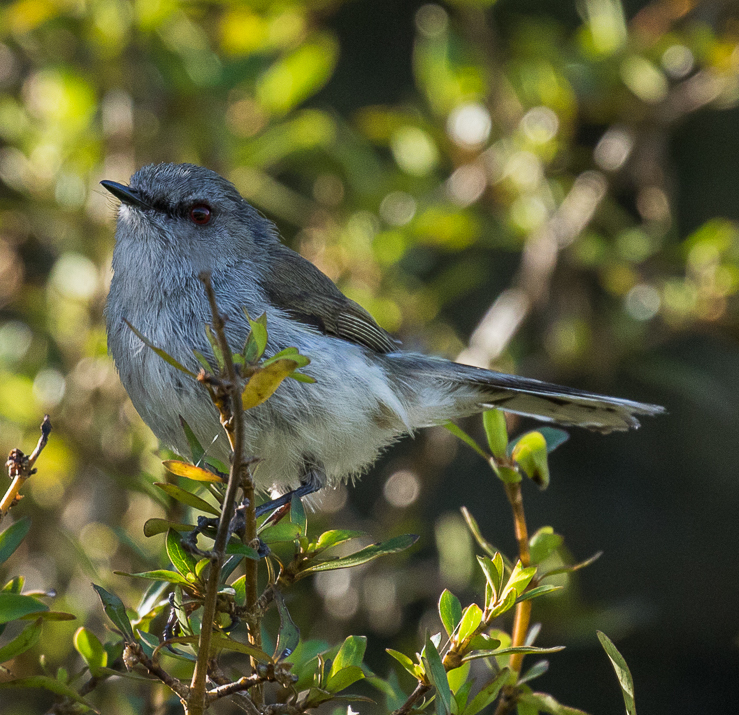
Biak Gerygone
Gerygone hypoxantha
Order: Passeriformes / Family: Acanthizidae

Wikimedia Commons
About the Biak Gerygone
The Biak Gerygone (Gerygone hypoxantha) is an enchanting songbird native to the island of Biak, part of the Papua Province in Indonesia. This bird is a member of the Acanthizidae family, a group known for their small size and complex vocalizations. The Biak Gerygone thrives in the tropical lowland and mangrove forests of this region, where it plays a crucial role in maintaining the ecological balance by contributing to insect control. With its vibrant yellow underparts and olive-brown upperparts, this bird is well-adapted to blend into the dense foliage of its habitat.
The significance of the Biak Gerygone extends beyond its aesthetic appeal; it is an integral part of the local ecosystem. This species aids in controlling insect populations, thus contributing to the health of its forest environment. The Biak Gerygone is also an important species for birdwatchers and naturalists visiting the region, offering a glimpse into the unique avian diversity of Biak Island. The bird's endearing presence and constant activity make it a favorite among those who study the rich avifauna of Papua.
Ecologically, the Biak Gerygone is a vital link in the food web. Its diet consists primarily of insects, which it actively seeks amidst the foliage. This dietary preference helps to keep insect populations in check, thereby preventing potential outbreaks that could disrupt the balance of the forest ecosystem. The Biak Gerygone is a non-migratory species, remaining on the island year-round, where it is a familiar sight and sound in the lush, verdant landscapes of its native habitat. During the breeding season, which aligns with the region's wet season, this bird becomes particularly vocal, using its melodious song to establish territory and attract mates.
The Biak Gerygone belongs to the family Acanthizidae, within the order Passeriformes. These birds typically live average 3-5 years, with maximum recorded of 8 years..
How to Identify a Biak Gerygone
The Biak Gerygone is easily recognizable by its striking plumage. Adults exhibit vibrant yellow underparts that contrast with their olive-brown upperparts, creating a distinctive appearance. The wings and tail are similarly olive-brown, providing a subtle yet effective camouflage against the green foliage of their forest habitat. In contrast to adults, juvenile Biak Gerygones display a more subdued coloration, with paler underparts and less pronounced yellow tones.
Both male and female Biak Gerygones share similar plumage, making them difficult to distinguish by sight alone. However, during the breeding season, males may appear slightly more vibrant due to hormonal changes that enhance feather luster. Despite their small size, the Biak Gerygone's field marks are quite distinctive, minimizing confusion with other species in its range.
In flight, the Biak Gerygone presents a compact silhouette with quick, agile movements. This agility is also evident when they perch, often seen flitting among branches in search of insects. Unlike some other small songbirds, the Biak Gerygone maintains a straightforward posture, rarely engaging in the exaggerated tail movements seen in species like the fantail.
Having trouble telling birds apart? Upload a photo to our bird identification tool for an instant species match.
Biak Gerygone Habitat and Range
Preferred Habitat
The Biak Gerygone is primarily associated with the tropical lowland and mangrove forests of Biak Island. These habitats offer an abundance of food resources and nesting sites, crucial for the bird's survival. The Biak Gerygone favors areas with dense foliage and abundant insect life, which are typical of these forest environments.
While predominantly found at low elevations, the Biak Gerygone can occasionally be observed venturing into secondary forests, especially in regions where primary forests have been disturbed. Unlike many other bird species, the Biak Gerygone shows little inclination to inhabit urban environments, preferring the tranquility and resource richness of its natural forest habitats.
Seasonally, the Biak Gerygone remains in its preferred habitat throughout the year, with no significant shifts in habitat use. This year-round residency underscores the bird's strong adaptation to the specific ecological conditions present on Biak Island.
Geographic Range
The Biak Gerygone is endemic to Biak Island, located in the Papua Province of Indonesia. This island is part of the larger Biak-Numfoor Rainforest ecoregion, known for its high biodiversity and endemism. The range of the Biak Gerygone is restricted to this island, making it a species of particular interest to conservationists and ornithologists.
Within Biak Island, the Biak Gerygone occupies a variety of forested environments, from pristine lowland rainforests to mangrove swamps. The bird is non-migratory, residing on the island throughout the year, a characteristic that highlights its reliance on the local ecosystem.
The population density of the Biak Gerygone can be relatively high in undisturbed forest areas, where food and nesting resources are abundant. However, habitat destruction poses a threat to this density, as deforestation and land conversion for agriculture can lead to habitat fragmentation, affecting the bird's distribution and abundance.
Want to know which birds visit your area? Browse our backyard birds by location guides for region-specific species lists.
What Does the Biak Gerygone Eat?
The diet of the Biak Gerygone primarily consists of insects, which it forages from the foliage and bark of trees. This insectivorous diet includes a variety of small arthropods such as caterpillars, beetles, and spiders. The bird employs a gleaning technique, meticulously searching leaves and branches for hidden prey.
Seasonal variations in food availability can influence the diet of the Biak Gerygone. During the wet season, when insect activity peaks, the bird has access to a wider range of prey, enhancing its feeding opportunities. Conversely, in drier periods, the Biak Gerygone may rely more heavily on specific insect groups that remain active.
Foraging occurs throughout the day, with peak activity observed in the early morning and late afternoon when insects are most abundant. The bird's small size allows it to navigate dense foliage with ease, giving it access to food sources that larger birds might overlook.
Biak Gerygone Behavior and Social Structure
The Biak Gerygone exhibits a range of intriguing behaviors that reflect its adaptation to life in dense forest environments. Socially, this bird is often seen in pairs or small family groups, particularly during the breeding season. The Biak Gerygone is territorial, with males vigorously defending their territories through song and display, ensuring exclusive access to food and nesting sites.
Courtship displays are subtle, involving song and mutual preening. The song of the Biak Gerygone plays a crucial role in both mate attraction and territory defense, with males singing from prominent perches within their territory. This vocalization is a defining feature of the species, characterized by a series of melodious notes that resonate through the forest.
The Biak Gerygone is generally active throughout daylight hours, with activity peaking during cooler parts of the day. In response to predators, these birds employ a mix of vocal alarms and evasive flight, using their agility to navigate quickly through dense foliage. This behavior minimizes their risk of predation while allowing them to remain vigilant and responsive to threats.
Biak Gerygone Nesting and Reproduction
The nesting behavior of the Biak Gerygone is a testament to its adaptability and resourcefulness. Nests are typically constructed in dense foliage, offering camouflage and protection from predators. The nest is a neat cup-shaped structure, woven from grasses, moss, and spider silk, providing a stable and insulated environment for eggs and chicks.
Clutch sizes for the Biak Gerygone generally range from two to four eggs, with both parents involved in incubation. Incubation lasts approximately 14 days, during which time both male and female share in keeping the eggs warm and protected. The cooperative effort continues after hatching, as both parents participate in feeding and caring for the young.
Fledging occurs about two weeks after hatching, with young birds leaving the nest yet remaining dependent on parental care for several weeks. The Biak Gerygone typically raises one to two broods per year, depending on environmental conditions and resource availability. This reproductive strategy is well-suited to the stable climatic conditions of Biak Island, ensuring the continuation of the species despite potential challenges.
Biak Gerygone Sounds and Vocalizations
The primary song of the Biak Gerygone is a melodious and complex series of notes that vary in pitch and rhythm. This song serves various purposes, including mate attraction and territory defense. The bird's vocalizations are characterized by their sweetness and clarity, often described as a series of tinkling notes that echo through the forest.
In addition to its primary song, the Biak Gerygone produces call notes that are softer and less elaborate, used primarily for communication between individuals, especially within family groups. Alarm calls are sharper and more urgent, designed to alert conspecifics to potential threats.
During the dawn chorus, the Biak Gerygone's song is particularly prominent, adding to the symphony of sounds that mark the start of a new day in the tropical forest. This behavior underscores the bird's reliance on vocal communication as a key aspect of its ecological interactions.
Interesting Facts About the Biak Gerygone
- 1The Biak Gerygone is named after the island of Biak, located in the Papua Province of Indonesia, where it is exclusively found.
- 2Despite its small size, the Biak Gerygone plays a significant role in pest control, consuming a large number of insects daily.
- 3The Biak Gerygone's song is a key identifier, with its melodious and complex notes often leading birdwatchers to its presence.
- 4Although the Biak Gerygone is non-migratory, its adaptability allows it to thrive in both primary and secondary forest habitats.
- 5The dense forest habitats of Biak Island provide the Biak Gerygone with ample nesting sites and protection from predators.
- 6Biak Gerygones are part of the Acanthizidae family, which includes other small, insectivorous songbirds found throughout Australasia.
- 7The Biak Gerygone's reliance on vocal communication underscores its sophisticated social behaviors and territorial interactions.
Biak Gerygone Conservation Status
According to the IUCN, the Biak Gerygone is currently classified as Near Threatened, reflecting its limited range and the ongoing threats to its habitat. Deforestation and habitat degradation pose significant challenges, as land is cleared for agriculture and development, reducing the availability of suitable habitats for this species. Despite these pressures, the population of the Biak Gerygone remains stable, thanks in part to conservation efforts aimed at preserving the unique biodiversity of Biak Island. Protected areas and reserves play a crucial role in safeguarding the habitats essential to the survival of the Biak Gerygone and other endemic species. Historically, the population of the Biak Gerygone has fluctuated in response to habitat changes, but concerted conservation efforts have helped mitigate some of these impacts. Continued focus on habitat preservation and sustainable land-use practices will be critical in ensuring the long-term survival of this remarkable songbird.
Other Acanthizidae Species


Birds Similar to the Biak Gerygone
These species are often confused with the Biak Gerygone due to similar appearance or overlapping range.