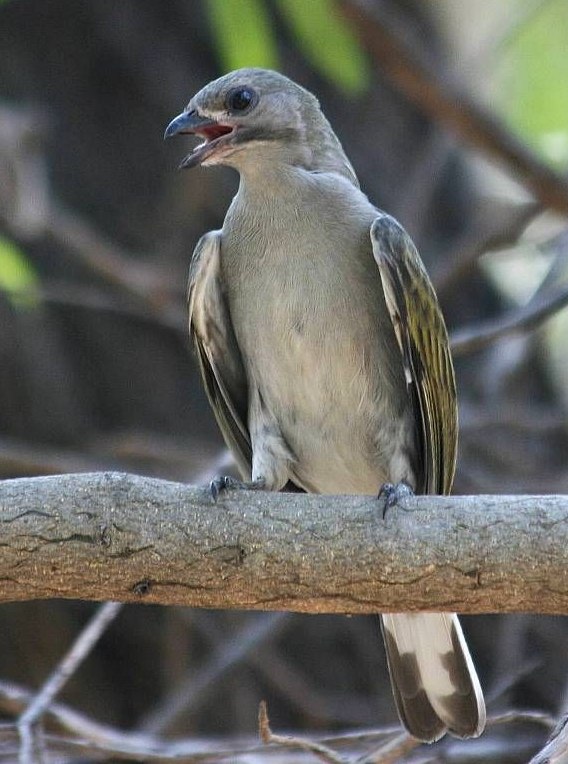
Blue-throated Bee-eater
Merops viridis
Order: Coraciiformes / Family: Meropidae

Wikimedia Commons
About the Blue-throated Bee-eater
The Blue-throated Bee-eater (Merops viridis) is an exquisite member of the Meropidae family, known for its kaleidoscope of colors and agile flight, which aids in its primary activity of catching insects mid-air. This species plays a pivotal role in the ecosystems of Southeast Asia, acting as both predator and prey. The Blue-throated Bee-eater is predominantly found in countries such as Malaysia, Indonesia, Thailand, and parts of the Philippines, where it inhabits a variety of landscapes from lowland forests to coastal mangroves.
Their presence is of particular significance in these regions due to their role in controlling insect populations, particularly bees and wasps, which they expertly catch and consume. As aerial insectivores, they contribute to maintaining the balance within food webs, impacting both insect and plant communities by regulating pollinator numbers. Their migratory patterns correspond with the monsoon cycles, with the birds traveling to exploit the seasonal abundance of insects, thus impacting the ecological dynamics based on their feeding patterns.
In terms of seasonal behaviors, the Blue-throated Bee-eater exhibits fascinating breeding and migratory patterns. During the breeding season, typically from March to June, these birds display remarkable courtship rituals characterized by aerial acrobatics and the presentation of prey to potential mates. Outside the breeding season, they are more nomadic, following the rains and the resultant insect blooms. Their adaptability to varying environments underscores their resilience and ecological importance across their range. Overall, the Blue-throated Bee-eater enhances the biodiversity and health of the regions it inhabits.
The Blue-throated Bee-eater belongs to the family Meropidae, within the order Coraciiformes. These birds typically live approximately 6-9 years, with some reaching up to 12 years..
How to Identify a Blue-throated Bee-eater
The Blue-throated Bee-eater is unmistakable, with vibrant plumage that makes it a favorite among birdwatchers. Adult birds showcase a striking combination of colors, featuring a brilliant blue throat, a chestnut-colored crown, and a green back and wings. The tail is adorned with elongated central feathers that are particularly noticeable during flight. Juveniles, on the other hand, lack the vivid blue throat of adults, presenting instead a duller green neck area, which can lead to some initial identification challenges.
There are subtle differences between males and females, though both sexes generally appear similar in the field. Males may possess slightly longer tail streamers, although this is not always a reliable indicator. In flight, their swift, agile movements and pointed wings are distinctive, helping to distinguish them from other bee-eater species. Perched, their upright posture and habit of returning to the same perch after a sortie are diagnostic.
Confusion with similar species such as the Chestnut-headed Bee-eater can occur, particularly due to overlapping ranges. However, the Blue-throated Bee-eater's unique throat coloration serves as a reliable field mark. Their calls, a series of high-pitched, rapid notes, also aid in identification when visual confirmation is challenging.
Having trouble telling birds apart? Upload a photo to our bird identification tool for an instant species match.
Blue-throated Bee-eater Habitat and Range
Preferred Habitat
The Blue-throated Bee-eater thrives in a variety of habitats, primarily those that offer abundant insect prey. They are frequently found in open woodlands, forest edges, and coastal mangroves. These birds also adapt well to secondary growth forests and plantation areas, making them a relatively common sight in rural and semi-urban locations in Southeast Asia.
Typically, they inhabit lowland areas, although they can occasionally be observed at elevations up to 1200 meters, particularly during migration. Seasonal shifts in habitat preference are evident, with these bee-eaters favoring areas with high insect activity, often aligning with the wet season when prey is plentiful. Despite their adaptability, they are less commonly found in dense, primary forests, preferring areas with ample open sky for their aerial hunting.
In urban settings, they may be seen in parks or gardens that mimic natural habitats, demonstrating their versatility and ability to coexist with human development. Their presence in such areas is often welcomed, as they contribute to insect control.
Geographic Range
The Blue-throated Bee-eater has a distribution primarily confined to Southeast Asia. During the breeding season, these birds are commonly found in Malaysia, Indonesia, Thailand, and parts of the Philippines. Their breeding range extends through the Malay Peninsula and across Borneo, where they are widespread and locally abundant.
In non-breeding months, these bee-eaters exhibit some migratory behavior, although they are not long-distance migrants. Instead, they undertake short seasonal movements to exploit areas with high insect activity, often following the rains. This migration is more nomadic and opportunistic, with birds dispersing across a broader range compared to their breeding territories.
Population density hotspots include regions with optimal feeding conditions, such as the rice paddies and agricultural fields of Java and Sumatra, where insect abundance is high. In these areas, they often congregate in sizable numbers, capitalizing on the plentiful prey items available.
Want to know which birds visit your area? Browse our backyard birds by location guides for region-specific species lists.
What Does the Blue-throated Bee-eater Eat?
The diet of the Blue-throated Bee-eater predominantly consists of insects, with a particular preference for bees, wasps, and other flying insects. These birds are adept hunters, engaging in a hunting technique known as hawking, where they catch prey mid-flight with precision and agility.
Their feeding schedule is largely diurnal, with peak activity occurring during the early morning and late afternoon, times when insect activity is most pronounced. During the breeding season, their diet may expand to include a broader range of insects to meet the increased nutritional demands of raising young.
The size of prey varies, with most insects ranging from small to medium-sized. They have an impressive ability to handle stinging insects, using their quick reflexes to avoid being stung while subduing their prey. This skill is particularly beneficial during seasons when bees and wasps are most abundant. Occasionally, they may also consume small butterflies or dragonflies, adding diversity to their diet.
Blue-throated Bee-eater Behavior and Social Structure
Blue-throated Bee-eaters are highly social birds, often observed in small groups or loose colonies, especially during the breeding season. They exhibit a range of interesting behaviors that underscore their adaptability and social nature. Their courtship displays are particularly notable, involving aerial chases and the presentation of insects as offerings, a behavior that strengthens pair bonds and facilitates mating.
Territorial behavior is evident during the breeding season, with pairs defending their nesting areas from rival bee-eaters. Outside of this period, they are less territorial, often foraging communally and roosting in groups. Their social structure is fluid, allowing them to adapt to changes in food availability and environmental conditions.
In response to predators, such as raptors, the Blue-throated Bee-eater employs evasive flight maneuvers and often emits alarm calls to alert other members of their group. They are primarily active during the day, with a daily routine that involves periods of intense foraging followed by rest and social interactions.
Blue-throated Bee-eater Nesting and Reproduction
Blue-throated Bee-eaters construct their nests in sandy banks, riverbanks, or sometimes in flat, open ground. They dig burrows with their strong bills, creating tunnels that can extend up to one meter in length. These nests provide a secure environment for their eggs and developing young, protected from many ground-based predators.
Clutch size typically ranges from three to six eggs, with both parents involved in incubation duties, which last approximately 20 days. Following hatching, the chicks are altricial, requiring intensive parental care. Both male and female participate in feeding and protecting the young until they fledge, which occurs around 25 to 30 days post-hatching.
Usually, the Blue-throated Bee-eater raises one brood per year, although in some regions where conditions allow, they may attempt a second. Parental investment is high, with both adults sharing responsibilities to ensure the survival and success of their offspring.
Blue-throated Bee-eater Sounds and Vocalizations
The vocalizations of the Blue-throated Bee-eater are characterized by high-pitched, rapid notes that can be likened to a series of 'trrr-trrr' or 'prrip-prrip' sounds. These calls serve multiple purposes, from maintaining contact with other members of their group to signaling alarm when predators are near.
Their primary song, although not particularly melodious, is an important aspect of their communication, often heard during breeding displays and territory defense. Alarm calls are sharper and more urgent, effectively alerting others to potential threats. During the dawn chorus, their calls blend with those of other bird species, creating a lively symphony that marks the start of the day.
Compared to other bee-eaters, their vocalizations are somewhat less varied but are nonetheless integral to their social interactions and daily activities.
Interesting Facts About the Blue-throated Bee-eater
- 1The Blue-throated Bee-eater can consume over 100 bees in a day, showcasing its incredible hunting efficiency.
- 2Despite their name, Blue-throated Bee-eaters are immune to bee stings, thanks to their swift reflexes and specialized hunting techniques.
- 3These bee-eaters have been observed to occasionally use roads and paths as communal roosting sites, demonstrating their adaptability.
- 4During courtship, male Blue-throated Bee-eaters present captured insects to females as a part of their mating ritual.
- 5The species' vibrant plumage is a result of structural coloration, not pigments, causing their feathers to reflect light in vivid hues.
- 6Blue-throated Bee-eaters are known to participate in mixed-species flocks, benefiting from the increased vigilance against predators.
- 7Their burrow nests are shared with other bird species like kingfishers and swallows, creating a unique ecological community.
Blue-throated Bee-eater Conservation Status
The Blue-throated Bee-eater is currently classified as Least Concern by the IUCN, with stable population trends observed across most of its range. However, habitat loss due to deforestation and agricultural expansion poses a potential threat to some local populations. Conservation efforts focus on habitat preservation, particularly in key breeding and foraging areas. Protecting nesting sites from human disturbance is crucial, as is maintaining the natural insect populations they rely on. Historically, their adaptability to modified landscapes has enabled them to withstand some environmental pressures, but ongoing conservation actions remain important. Local conservation initiatives often involve community engagement, promoting awareness about the ecological benefits of preserving this species. Continued monitoring and research are necessary to ensure that populations remain healthy and resilient.