
Curruca iberia
Curruca iberia
Order: Passeriformes / Family: Sylviidae
About the Curruca iberia
Curruca iberia, commonly known as the Iberian warbler, is a captivating member of the Sylviidae family. This small, agile songbird inhabits a variety of Mediterranean landscapes, including maquis and open woodlands. The species plays a significant ecological role in these habitats, aiding in insect population control and serving as prey for larger avian predators. Curruca iberia is particularly well adapted to the shrub-dominated ecosystems of the Iberian Peninsula, thriving in regions such as southern Spain and Portugal. Its role extends beyond mere insect control, as it also participates in seed dispersal, contributing to the maintenance of floral diversity in its range. During the breeding season, typically from April to June, the Iberian warbler becomes a prominent feature of its habitat, engaging in elaborate courtship displays and vocalizations. These behaviors are integral to the species' reproductive success, ensuring the continuation of its population. In addition to its breeding activities, Curruca iberia undergoes seasonal movements that reflect its adaptability to changing environmental conditions. As autumn approaches, some populations may shift slightly in response to climatic variations, moving to lower altitudes or more sheltered areas. This seasonal behavior underscores the bird's resilience and its ability to navigate the challenges of its environment. The conservation of Curruca iberia is vital, not only for its own survival but also for the preservation of the intricate ecological networks it supports. As a species, it encapsulates the complex interplay between avian life and Mediterranean ecosystems, offering insights into the broader dynamics of biodiversity and environmental health.
The Curruca iberia belongs to the family Sylviidae, within the order Passeriformes. These birds typically live average 2-4 years with a maximum recorded of 6 years..
How to Identify a Curruca iberia
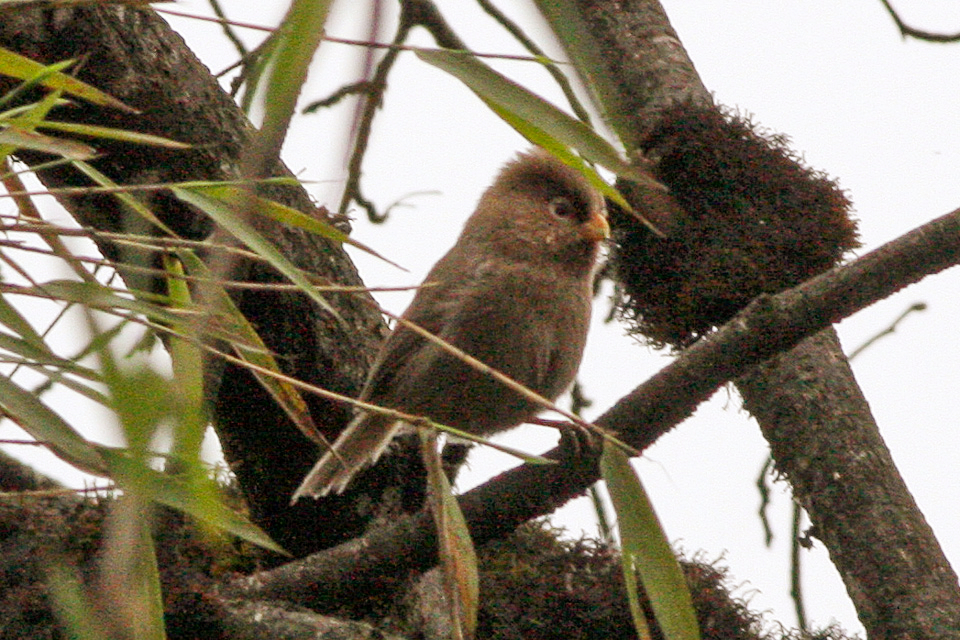
Curruca iberia is distinguished by its sleek gray plumage, which is subtly interspersed with brownish hues, particularly on the wings and back. Adult males typically exhibit a darker, more pronounced gray coloration on their heads and upper parts, while females tend to have a slightly duller appearance. Juveniles resemble females but can be identified by their fresher, less worn plumage, often displaying more pronounced buffy tones. In flight, the Iberian warbler presents a compact silhouette with short, rounded wings and a relatively long tail, which it flicks characteristically. Observers may note its perching posture, often upright, on slender branches in its preferred shrubland habitats. This posture, combined with its color patterns, can confuse some birders with similar Sylvia species, such as the Sardinian warbler. However, the Curruca iberia's more muted palette and unique song help differentiate it. Spotting this bird requires careful attention to its subtle but distinct field marks and behaviors.
Having trouble telling birds apart? Upload a photo to our bird identification tool for an instant species match.
Curruca iberia Habitat and Range
Preferred Habitat
Curruca iberia predominantly inhabits Mediterranean-type ecosystems. Its favored habitats include maquis, dense shrublands, and open woodlands, often dominated by species like juniper and oak. The bird can be found at elevations ranging from sea level to approximately 1,500 meters, although it typically prefers mid-elevation zones where vegetation offers optimal cover and foraging opportunities. In rural areas, it thrives in traditional agricultural landscapes, where hedgerows and fallow fields provide suitable habitats. Urban presence is uncommon, primarily restricted to green spaces that mimic natural environments. Seasonally, the Iberian warbler may adjust its habitat preferences slightly, seeking more sheltered locations during colder months.
Geographic Range
The breeding range of Curruca iberia is largely confined to the Iberian Peninsula, encompassing southern Spain and Portugal. Within this range, the bird is most abundant in regions like Andalusia and the Algarve. During the non-breeding season, populations may exhibit slight altitudinal migrations, moving to lower elevations or coastal areas to escape harsher weather conditions. Unlike some migratory warblers, Curruca iberia generally remains within its range year-round, although local movements in response to environmental changes are common. Certain areas, such as the Guadalquivir valley, serve as density hotspots, offering ideal conditions for both breeding and feeding. These regions provide insights into the bird's adaptability and resilience across different landscapes.
Want to know which birds visit your area? Browse our backyard birds by location guides for region-specific species lists.
What Does the Curruca iberia Eat?
Curruca iberia primarily feeds on insects, including beetles, caterpillars, and spiders, which it gleans from foliage and bark. During the spring and summer, when insect abundance peaks, these form the bulk of its diet. In autumn and winter, the warbler's diet shifts to include more berries and seeds, reflecting the seasonal availability of food resources. The bird employs a variety of foraging techniques, such as hover-gleaning and flycatching, to capture prey. Typically, the Iberian warbler forages alone or in pairs, maintaining a regular feeding schedule from dawn until late afternoon. Prey size generally ranges from small insects to larger caterpillars, which provide essential nutrients during the breeding season.
Curruca iberia Behavior and Social Structure
Curruca iberia exhibits a range of fascinating behaviors that reflect its adaptability and social structures. During the breeding season, males engage in territorial displays, singing from prominent perches to attract mates and deter rivals. Courtship involves a series of vocalizations and physical displays, such as wing flicking and tail spreading. Once paired, the birds are typically monogamous for the season. Flocking behavior is more common in the non-breeding season, when individuals may join mixed-species flocks for increased foraging efficiency and predator vigilance. The Iberian warbler is generally diurnal, with peak activity in the early morning and late afternoon. In response to predators, the bird employs alarm calls and evasive flight, often retreating into dense vegetation for cover. These behaviors highlight the complex social dynamics and adaptability of Curruca iberia within its ecosystem.
Curruca iberia Nesting and Reproduction
Curruca iberia constructs cup-shaped nests using grasses, twigs, and other plant materials, often lining the interior with softer substances like feathers or animal hair. Nests are typically situated in dense shrubs or low trees, providing concealment from predators. The usual clutch size ranges from three to five eggs, which the female incubates for approximately 12 to 14 days. Both parents participate in feeding the chicks, which fledge about 10 to 12 days after hatching. The species generally raises one to two broods per year, depending on environmental conditions and food availability. Parental roles are relatively balanced, with both sexes contributing to nest building, incubation, and chick rearing.
Curruca iberia Sounds and Vocalizations
The primary song of Curruca iberia consists of a rapid series of melodious warbles and trills, often described as a mix of sweet and scratchy notes. This song is usually delivered from a conspicuous perch and serves both territorial and courtship purposes. Call notes are short and sharp, often used in communication between mates or signaling alarm. During the dawn chorus, the Iberian warbler's song is particularly prominent, adding to the symphony of sounds typical of Mediterranean habitats. Compared to similar species, its song is less harsh and more varied, making it a distinctive aspect of its behavioral repertoire.
Interesting Facts About the Curruca iberia
- 1Curruca iberia can live up to 10 years in the wild, showcasing its resilience and adaptability.
- 2Unlike many warblers, Curruca iberia is largely sedentary, making it a reliable resident of its range.
- 3The Iberian warbler's song can carry over distances of up to 50 meters, an advantage in dense habitats.
- 4During courtship, males may perform a distinctive 'parachute' display flight to impress potential mates.
- 5Curruca iberia participates in mixed-species flocks, enhancing foraging success and predator avoidance.
- 6The species' preference for dense shrubland provides crucial cover from aerial predators like hawks.
- 7Curruca iberia has adapted to a wide range of elevations, from coastal regions to mountainous areas.
Curruca iberia Conservation Status
Currently, Curruca iberia holds a status of Least Concern according to the IUCN, with population trends considered stable. Primary threats include habitat loss due to urbanization and agricultural intensification. Conservation efforts focus on habitat preservation and restoration, ensuring the maintenance of traditional Mediterranean landscapes that support this species. Historically, the Iberian warbler has experienced fluctuations in population due to changes in land use, but recent conservation initiatives have helped stabilize numbers. Continued monitoring and habitat management are essential to safeguard the future of this species and its ecological contributions.
Other Sylviidae Species



Birds Similar to the Curruca iberia
These species are often confused with the Curruca iberia due to similar appearance or overlapping range.

