Hume's Whitethroat
Sylvia althaea
Order: Passeriformes / Family: Sylviidae

Wikimedia Commons
About the Hume's Whitethroat
Hume's Whitethroat (Sylvia althaea) belongs to the family Sylviidae and displays unique adaptations that make it a fascinating species to observe. Distributed across parts of Central Asia, this bird primarily inhabits dry, scrubby areas, often in montane regions. Its presence is most notable in countries like Afghanistan, Iran, and extending into the northwestern regions of India. The Hume's Whitethroat plays a vital ecological role as both a predator of insects and a seed disperser, contributing to the health of its habitat by controlling insect populations and aiding in plant regeneration. This species is primarily insectivorous, though it also partakes in small fruits and seeds. Seasonal behaviors of the Hume's Whitethroat are aligned with its migratory patterns, as it breeds during the warmer months when food resources are abundant, and it migrates to milder climates in the non-breeding season. Breeding activity is often observed from May through July, with birds migrating to lower altitudes or more southern locales as temperatures drop. During the breeding season, males are known for their distinctive territorial songs, which play a critical role in mate attraction and territory establishment. The Hume's Whitethroat is an essential component of its ecosystem, influencing the distribution and abundance of its prey, while also providing a food source for predators. Its adaptability to different altitudinal zones and varying habitats highlights its resilience in the face of environmental changes.
The Hume's Whitethroat belongs to the family Sylviidae, within the order Passeriformes. These birds typically live average lifespan is around 3-5 years, though some may live longer..
How to Identify a Hume's Whitethroat
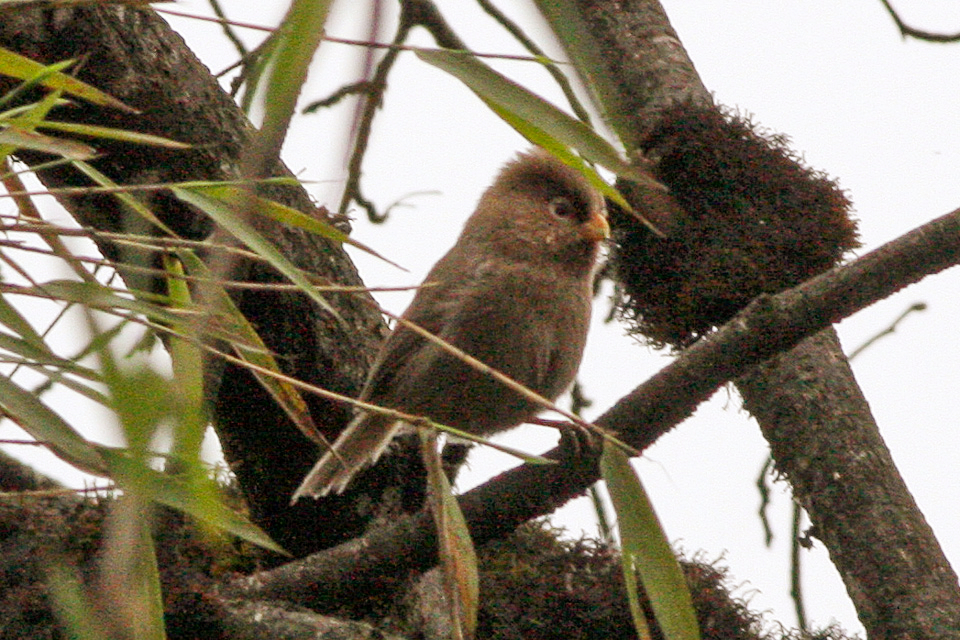
The Hume's Whitethroat is a small bird, measuring approximately 13-14 cm in length, with a wingspan of around 18-20 cm. Adult males are characterized by their grayish-brown upperparts and a contrasting white throat and belly, which makes them easily distinguishable from similar species. The head is slightly darker, with a faint eye stripe and a somewhat nondescript face. Females and juveniles tend to be more subdued in coloration, with browner tones and less pronounced white areas. The overall plumage can appear somewhat duller compared to the similar Common Whitethroat (Sylvia communis), which has a more pronounced rufous tint to its wings. In flight, Hume's Whitethroat exhibits a quick, darting style, with rapid wing beats followed by brief glides. When perched, it often adopts an upright posture, flicking its tail intermittently. Its vocalizations, a distinctive series of trills and whistles, also aid in identification, especially during the breeding season when males sing persistently from exposed perches.
Having trouble telling birds apart? Upload a photo to our bird identification tool for an instant species match.
Hume's Whitethroat Habitat and Range
Preferred Habitat
Hume's Whitethroat primarily occupies dry, open scrublands, often characterized by a mix of shrubs and scattered trees. It is commonly found in montane regions, typically at elevations ranging from 1000 to 3000 meters. During the breeding season, these birds favor habitats that provide ample cover and foraging opportunities, such as thickets and low bushes. They can also be found in semi-arid steppe environments, where they exploit the sparse vegetation for nesting and feeding. In winter, they may shift to lower elevations, seeking out areas that offer milder climates and consistent food supplies. While they are not typically associated with urban areas, Hume's Whitethroat may occasionally venture into gardens and parks, particularly in regions where natural habitats are limited.
Geographic Range
Hume's Whitethroat breeds across a range that includes parts of Afghanistan, Iran, and northern Pakistan, extending into the mountainous regions of northwestern India. The species is migratory, with populations moving to more temperate areas in the winter, often descending to lower altitudes or shifting to more southerly regions within its range. Migration corridors often include routes through Central Asia, and some individuals may reach as far as the Middle East during non-breeding periods. The bird's distribution is patchy, often dictated by the availability of suitable habitats, with population densities being more concentrated in areas where shrublands and open woodlands are prevalent.
Want to know which birds visit your area? Browse our backyard birds by location guides for region-specific species lists.
What Does the Hume's Whitethroat Eat?
Hume's Whitethroat primarily feeds on insects, making it an essential insectivore within its ecosystem. It consumes a variety of small invertebrates, including beetles, caterpillars, and spiders, which it gleans from foliage and branches. During the breeding season, when insect availability peaks, the bird's diet is almost exclusively insect-based. However, in the non-breeding season, it supplements its diet with small fruits and seeds, exploiting available plant resources to maintain energy reserves. Foraging typically occurs in the early morning and late afternoon, with the bird employing a combination of gleaning and hover-gleaning techniques to capture prey. The Hume's Whitethroat's adaptability in diet reflects its capacity to thrive across varied environments, maintaining its role as a flexible feeder.
Hume's Whitethroat Behavior and Social Structure
The Hume's Whitethroat is generally solitary or found in pairs, particularly during the breeding season. Males establish territories and defend them vigorously through song and visual displays. Courtship involves a series of fluttering flights and vocal performances, designed to attract potential mates and deter rivals. Outside of the breeding season, Hume's Whitethroat may be seen in small flocks, especially during migration when resources must be efficiently utilized. The bird's daily activities are largely diurnal, with peak foraging occurring during the cooler parts of the day. In response to predators, it often employs evasive maneuvers, flitting through dense vegetation to escape detection. Vocal communication plays a critical role in social interactions, with a variety of calls used to maintain contact between individuals and signal alarm in the presence of threats.
Hume's Whitethroat Nesting and Reproduction
The nesting habits of Hume's Whitethroat involve the construction of a cup-shaped nest, typically made from grass, roots, and lined with finer materials such as hair and feathers. Nests are usually placed low in shrubs or small trees, providing concealment from predators. The female lays a clutch of 3-5 eggs, which she incubates for about 11-13 days. Both parents participate in feeding the young, which fledge approximately 10-12 days after hatching. The species may raise one or two broods per year, depending on environmental conditions and food availability. Parental care extends beyond fledging, as adults continue to feed and protect their young until they are fully independent. The choice of nesting sites is critical, as it influences the survival rate of the offspring, with denser vegetation offering better protection against predators.
Hume's Whitethroat Sounds and Vocalizations
The song of Hume's Whitethroat consists of a series of pleasant, melodious trills and whistles, often delivered from a prominent perch. Its rhythm is variable, with a mix of short and long phrases, providing a distinctive auditory signature that aids in territory establishment and mate attraction. The bird also produces a variety of call notes, including soft 'tack' sounds used in communication between mates and family groups. Alarm calls are sharper and more insistent, signaling the presence of potential threats. During the early morning, the male's song is particularly prominent, contributing to the dawn chorus and serving as a key behavioral trait during the breeding season.
Interesting Facts About the Hume's Whitethroat
- 1Hume's Whitethroat was named in honor of Allan Octavian Hume, a British civil servant and ornithologist known for his work in India.
- 2This species was once considered a subspecies of the Lesser Whitethroat due to similarities in appearance and behavior.
- 3During migration, Hume's Whitethroat can cover significant distances, traveling between Central Asia and the Middle East.
- 4The bird's song is often compared to that of the Common Whitethroat, yet it has distinct differences in tempo and pitch.
- 5Hume's Whitethroat exhibits a high degree of site fidelity, often returning to the same breeding territory year after year.
- 6Despite its small size, it is an effective predator of caterpillars, helping control pest populations in its habitat.
- 7The species demonstrates remarkable adaptability, thriving in a range of altitudes from 1000 to 3000 meters.
Hume's Whitethroat Conservation Status
According to the IUCN Red List, Hume's Whitethroat is currently classified as Least Concern. The population trend appears stable, although habitat destruction due to agricultural expansion and urbanization poses potential threats. Conservation efforts focus on habitat preservation, particularly in regions where shrublands are being converted to agricultural land. Historically, the species has shown resilience, maintaining stable populations across its range. Continued monitoring of population trends and habitat conditions is crucial to ensuring the long-term survival of the species.